In the whole of nature, few creatures play a role as vital and captivating as bees.
Awareness of their ecological & agricultural impact is higher than ever; conservationists, gardeners, the general public – and their most patient friends – are all about Saving The Bees. So how do we translate that awareness into true understanding, and eventually the start of a small pollinator garden?

Attracting Honeybees and Native Bees: Tips That Go Beyond the Basics
While bee-enthusiasts are heatedly debating the value of nativars vs straight native species – a valuable discussion to be sure – the other 99% doesn’t know honeybees are different from their wild native counterparts… they definitely are!
Those differences between honeybees & their wild native counterparts are the main topic of this article. We’ll go in-depth on the basic concepts you already know; their fascinating behaviors, ecological significance, and the simple steps we can take to support their populations.
For home-gardeners like most of our readership, that initial spark is particular to native bees:
Louisiana's Native Bees: Why "Native" Matters
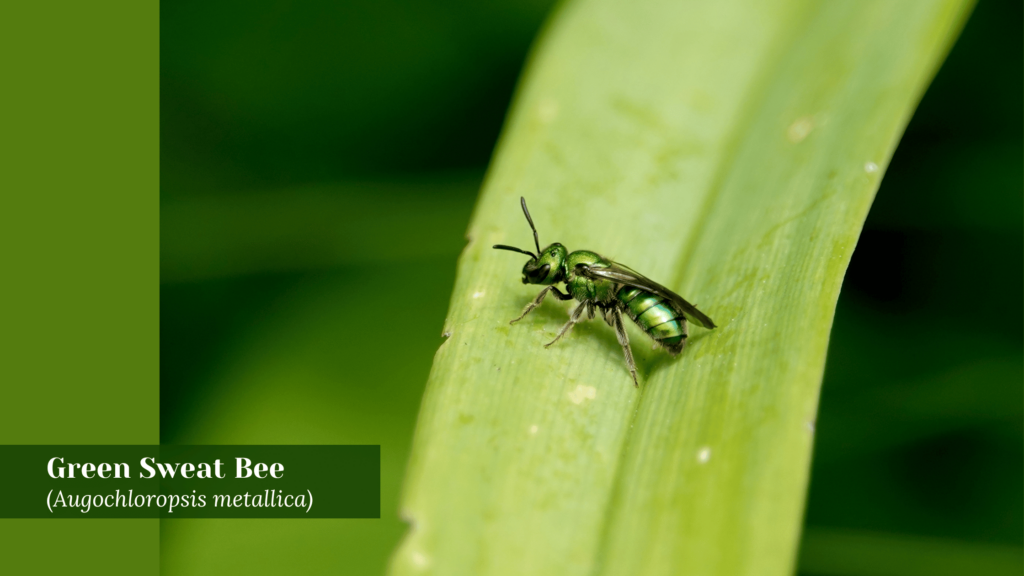
You’ll find a remarkable diversity of native bees in Louisiana, each with its unique role in maintaining the state’s rich ecosystems.
From the tiny, metallic sweat bees to the large, fuzzy bumblebees, these unsung heroes work tirelessly to pollinate a wide array of plants, ensuring the reproduction and survival of countless native species.
Even in home-gardening and residential landscapes, some species of bees can help manage pest populations of aphids, beetles, weevils, & whiteflies.
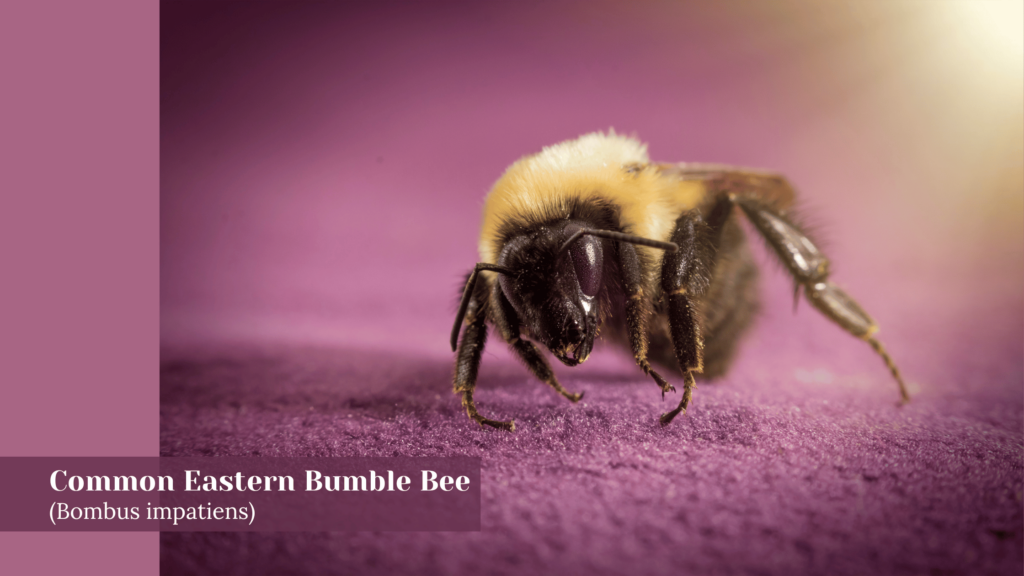
Bumblebees (Bombus spp.):
These large, social bees are well-known for their ability to “buzz pollinate,” a specialized technique that helps release pollen from certain flowers like tomatoes and blueberries.
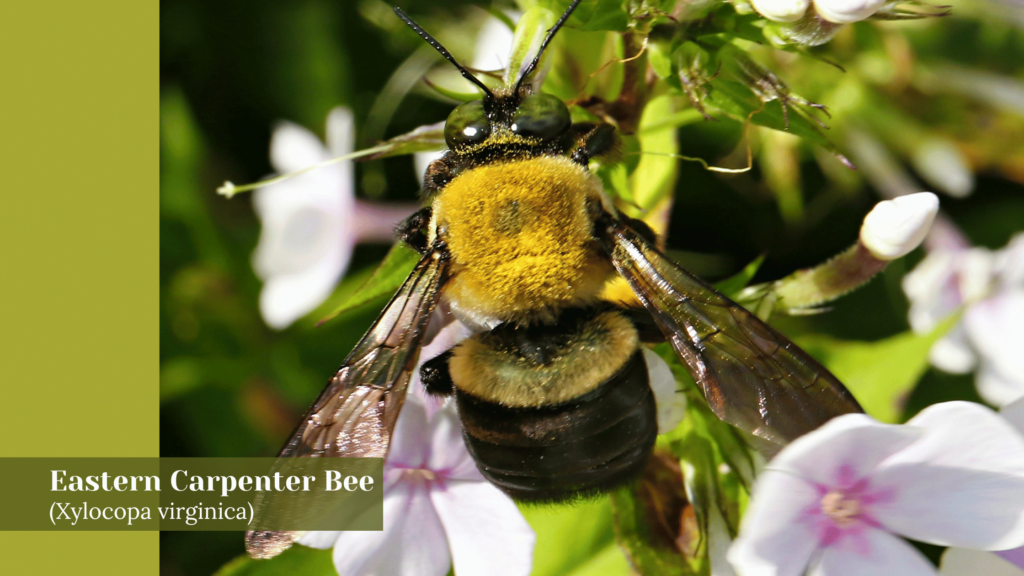
Carpenter Bees (Xylocopa spp.):
Though they can be considered pests due to their wood-nesting habits, carpenter bees also play a vital role as pollinators of many flowering plants. They are particularly effective at pollinating deep-throated flowers like passionflower and trumpet vines.
Leafcutter Bees (Megachile spp.): These industrious bees use their sharp mandibles to cut circular pieces of leaves, which they use to construct their nests. Leafcutter bees are important pollinators of wildflowers, fruits, and vegetables.
Mason Bees (Osmia spp.):
These solitary bees are known for their habit of using mud to partition their nests. Mason bees are efficient pollinators of fruit trees, especially apples and pears, and are often used in commercial orchards.
Sweat Bees (Halictidae family): These small, often metallic-colored bees are attracted to perspiration, hence their name. Sweat bees are important pollinators of a wide variety of plants, including wildflowers, vegetables, and fruit trees. They also manage aphid populations.
Digger Bees (Anthophora spp.): These ground-nesting bees are excellent pollinators of many wildflowers and crops, including sunflowers, squash, and melons. They also contribute to soil health by aerating the ground as they dig their nests.
Mining Bees (Andrena spp.):
These solitary bees also nest in the ground, often creating large aggregations of nests in sunny areas. Mining bees are important pollinators of many spring-blooming wildflowers and fruit trees.
Native Plants: The Foundation of a Thriving Bee Community
The relationship between native bees and native plants is a testament to the interconnectedness of nature. These plants have co-evolved with native bees over millennia, developing specialized relationships that benefit both partners.
Key points on bees & native plants:
Specialized Relationships:
Many native bees have evolved to specialize in pollinating specific groups of native plants.
For example, the squash bee (Peponapis pruinosa) is a specialist pollinator of squash and pumpkins, while the blueberry bee (Habropoda laboriosa) focuses on pollinating blueberries. By planting these native plants, you provide essential food sources for these specialized bees.
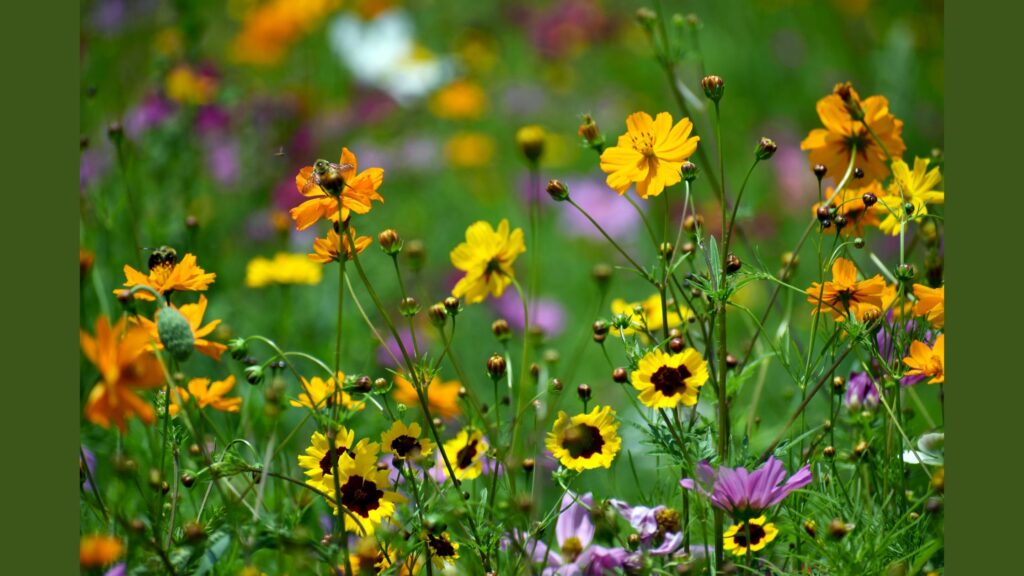
Native plants offer a diverse array of nectar and pollen resources, ensuring that bees have access to the nutrients they need throughout the growing season. This diversity is particularly important for supporting a wide range of bee species with different dietary needs.
Bloom Time Diversity:
Native plants bloom at different times throughout the year, providing a continuous source of food for bees. This is crucial for ensuring that bees have access to nectar and pollen even during periods when other plants are not in bloom.
Nesting Habitat:
Many native plants provide nesting habitat for bees, either directly or indirectly. Some bees nest in hollow stems or cavities in wood, while others burrow in the ground. By including a variety of native plants in your garden, you can create a diverse and supportive nesting environment for bees.

Reduced Pesticide Exposure: Native plants are generally more resistant to pests and diseases, reducing the need for pesticides that can harm bees. By choosing native plants, you can create a safer and healthier environment for these important pollinators.
Native Plant Suggestions for Native Bees
Purple coneflower (Echinacea purpurea):
A classic favorite that attracts a wide range of bees with its abundant nectar and pollen.
Swamp sunflower (Helianthus angustifolius):
This tall, cheerful flower provides a late-season source of nectar and pollen for bees.
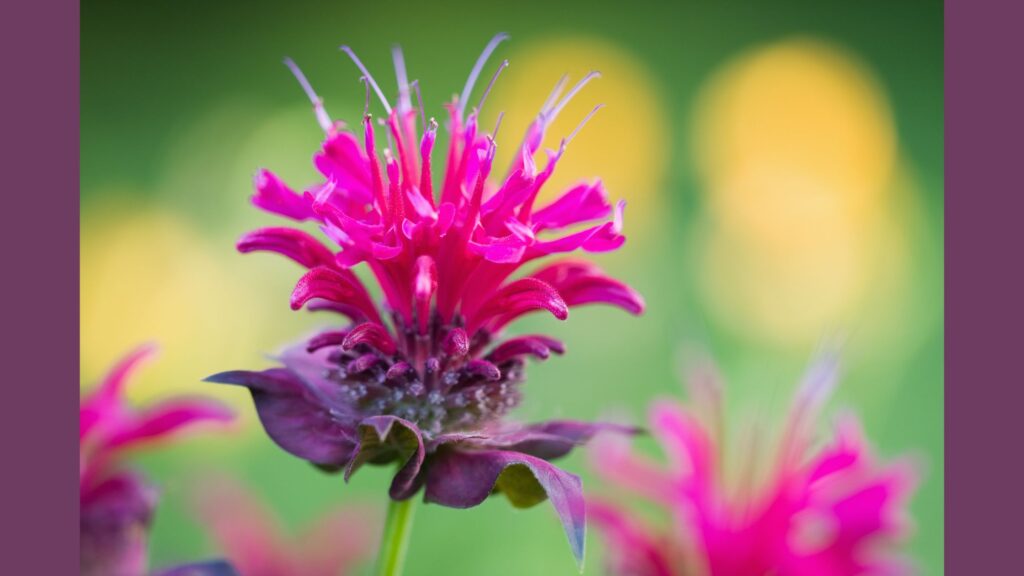
This aromatic herb produces showy flowers that are a magnet for bumblebees and other native bees.
Goldenrod (Solidago spp.):
Often unfairly blamed for allergies, goldenrod is a valuable late-season nectar source for many bees.
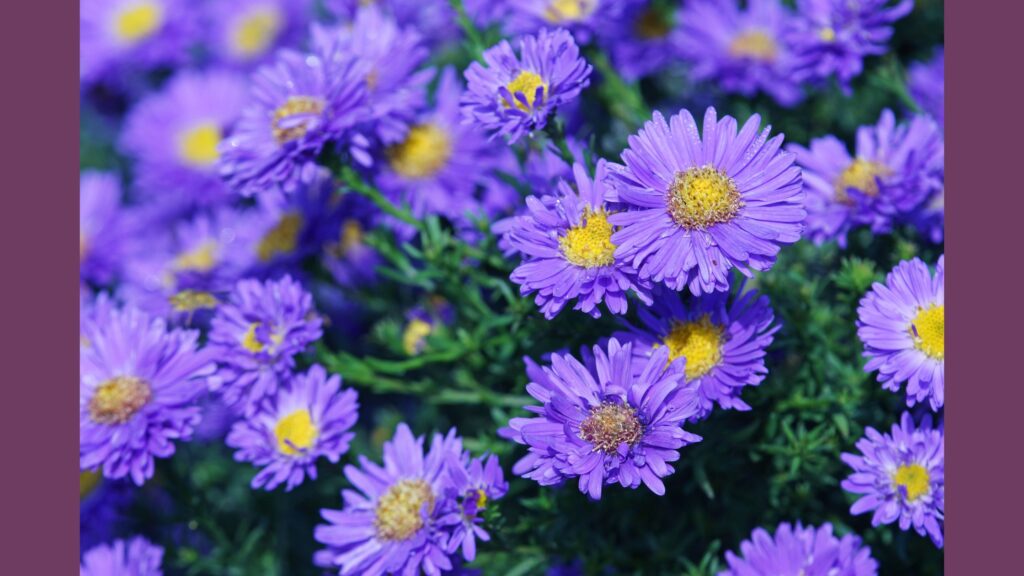
Asters (Aster spp.):
These fall-blooming wildflowers provide crucial sustenance for bees preparing for winter.
Honeybees: A Pillar of Modern Agriculture
While native bees are indispensable for maintaining biodiversity and supporting wild ecosystems, honeybees (Apis mellifera) play a unique role in our agricultural landscape.
Their exceptional pollination efficiency and ability to be managed in large colonies make them the primary pollinators for many of the crops we rely on for food and other products.
Here in Louisiana, honeybees contribute an estimated $150 million annually to the state’s agricultural economy through pollination services alone. This ensures the successful production of a wide range of crops, from blueberries and citrus fruits to almonds and avocados.
Without honeybees, our food system would face significant challenges, and the availability and affordability of many fruits, vegetables, and nuts would be jeopardized.
Beyond their agricultural significance, honeybees also produce delicious honey, a natural sweetener enjoyed for centuries. They also create beeswax, propolis, and royal jelly, which have various uses in food, cosmetics, and medicine.
Supporting Honeybees in Your Garden
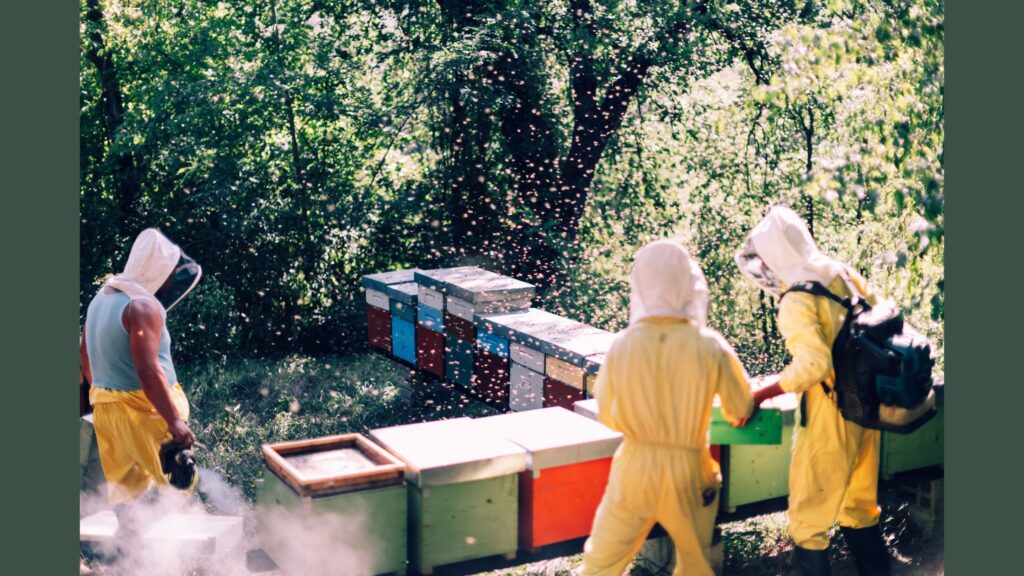
While honeybees are primarily managed by beekeepers, you can still play a role in supporting their health and well-being in your own garden. Here are some tips:
Plant a Variety of Flowering Plants:
Honeybees, like native bees, benefit from a diverse selection of flowering plants that bloom throughout the season. Aim to include plants with different flower shapes, sizes, and colors to attract a wide range of bees.
Provide Water Sources:
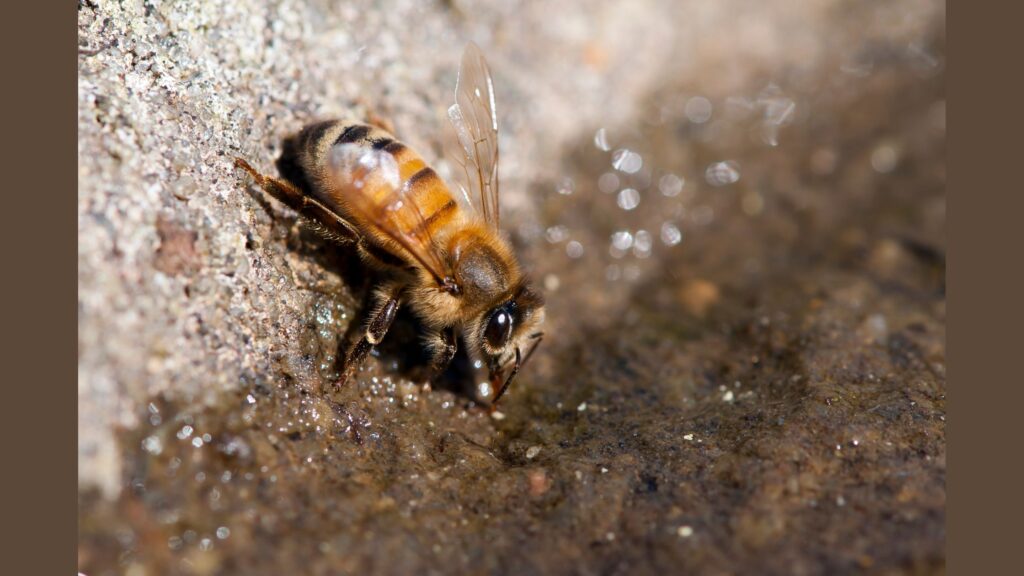
Honeybees need access to clean water for drinking and cooling their hives. You can create a simple water source by placing a shallow dish filled with rocks and water in your garden.
Support Local Beekeepers:
Purchasing honey and other bee products from local beekeepers helps support their businesses and promotes sustainable beekeeping practices. You might ask what their strategy is negating the spread of invasive bee populations.
Educate Yourself and Others:
Learn more about honeybees and their importance. Raising awareness about the challenges facing bees and the ways we can help them is crucial for their continued survival.
Bees are crucial for ensuring the continued pollination of our crops, wildflowers, and natural landscapes.
By planting pollinator-friendly gardens, avoiding excessive use of pesticides, and supporting sustainable beekeeping practices, we can all contribute to the well-being of these vital pollinators and help safeguard our food security and environmental health.