
Gardening FAQs: Tips & Expert Advice
Seasonal Lawn-Care
Product Recommendations
From Our Gardening Experts
No matter what season we’re in, there are products you can use right now to keep your lawn weed-free, happy, and healthy! Click on any product name to see further details like application tips and temperature thresholds. We’ve also underlined our current season, so be sure to check there first!
Late Winter / Spring
Weed Free Zone by Fertilome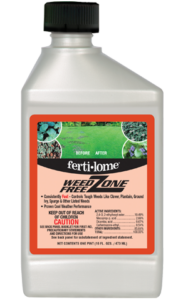
- Fast-acting, cool weather performance down to 40-degrees
- Use on St. Augustine, Centipede, Bermuda, Zoysia lawns
- Do not use when temperatures are above 85-degrees
Atrazine by Hi-Yield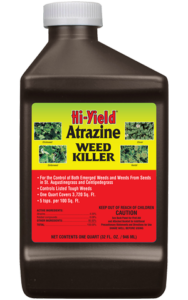
- Controls emerged weeds & weeds from seed
- Controls some grassy weeds
- Use on St. Augustine & Centipede lawns
- Do not use when temperatures are above 85-degrees
Turf & Ornamental Weed & Grass Stopper Granules by Hi-Yield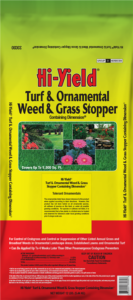
- Pre-Emergent granules effective against Crabgrass and other weeds
- Can be used in flowerbeds and all Southern lawns
- Controls weeds before they emerge
- Can be used year-round
Winter Weed Cocktail Mixture:
- 1 oz. Fertilome Weed Free Zone
- 8.6 oz Hi-Yield Atrazine
- 2 tsp. Hi-Yield Spreader Sticker
Mixture Instructions:
Mix all ingredients into 1 gallon of water. Apply uniformly over 1,000 sq. ft. using pump sprayer. Controls existing weeds and prevents weeds from germinating. Re-apply in 3 weeks if necessary. Do not apply is temperatures are above 85-degrees.
This mixture is a staple in the Louisiana lawn-care program, with each product benefiting or fulfilling the missing elements of the others.
Weed Free Zone specifically targets established weeds, Atrazine prevents germination of weed seeds, & Spreader Sticker helps the other two products adhere to foliage through rain or shine, increasing their effectiveness!
Late Spring / Summer
Lawn Food Plus Iron by Fertilome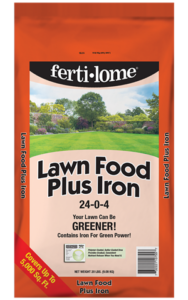
- All purpose lawn food for all southern lawns
- Contains iron for immediate greening
- Do not use when temperatures are above 90-degrees
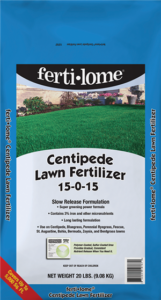 Centipede Lawn Fertilizer by Fertilome
- 15-0-15 Formulation for Centipede lawns
- Contains iron and other trace elements for immediate greening
- Do not use when temperatures are above 90-degrees
Spring / Late Spring
St. Augustine Weed & Feed by Fertilome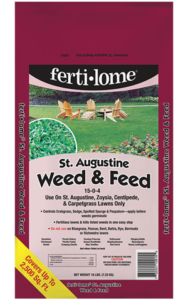
- Apply in early Spring to control existing and pre-emerged weeds
- Use on St. Augustine, Centipede, and Zoysia lawns
- Grass should be moist prior to application, allow granules to remain on grass overnight. then water in well
- Do not use when temperatures are above 90-degrees
Centipede Weed & Feed by Fertilome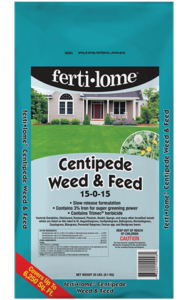
- Apply in Spring for post-emergent broadleaf weed control
- Contains Trimec (combination of 3 weed-killers)
- Apply to pre-moistened grass and allow to set for 24 hours, then water well
- Use on Centipede, St. Augustine, Bermuda, & Zoysia lawns
Weed Free Zone Plus Lawn Fertilizer by Fertilome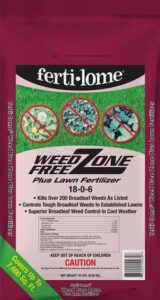
- Apply in Early Spring
- Controls braodleaf weeds in cooler temperatures
- Use on St. Augustine, Centipede, Bermuda, & Zoysia lawns
Late Summer / Fall
Winterizer for Established Lawns by Fertilome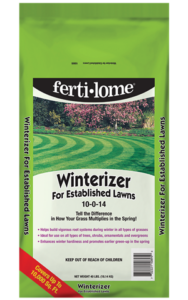
- Strengthens the lawn against the hardship of Winter and prepares it for Spring
- Can be used for lawns, trees, and shrubs
- Apply September through October
Winterizer & Weed Preventer II by Fertilome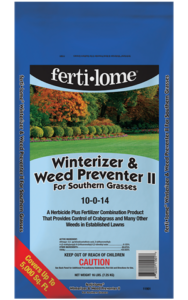
- Strengthens the lawn against the hardship of Winter and prepares it for Spring
- Can be used for lawns, trees, and shrubs
- Apply September through October
You’ve got questions. We’ve got answers.
Weed Control
A combination of pre- and post-emergent products are the best way to keep lawns free of invasive weeds. Use a granular pre-emergent three times a year and spot treat weeds in between.
Treatment Options:
Pre-Emergent
- Hi-Yield Turf and Ornamental Weed and Grass Stopper with Dimension. This granular pre-emergent for the lawn prevents the germination of weed seeds. Apply three times a year (Spring, Summer, Fall) for best results.
Post Emergent
- Atrazine- This product is suitable for treating many broadleaf weeds and can be used to suppress grassy weeds while temperatures are cool.
- Weed Free Zone with 2-4, D can be used down to 40 degrees Fahrenheit.
Crabgrass is a summer annual weed that favors compacted soil where the grass is in a thinned and weakened condition.
Treatment Options:
- Image Nutsedge Killer: Can be used to treat nutsedge and crabgrass in lawns without harming the lawn.
- Bonide Sedge Ender: Can be used to treat nutsedge and crabgrass in lawns without harming the lawn.
Unfortunately plentiful in Louisiana, both of these plants can cause red swollen skin, itching and possibly blisters.
Treatment Options:
- In the lawn: Image for Southern Lawns can be sprayed on turfgrass for treatment of Poison Ivy
- Bonide Poison Ivy and Poison Oak RTS can be sprayed directly on the lawn or vines
- 2-4, D concentrate.
Nutsedge is a very aggressive and persistent weed that commonly infests lawns, vegetable and flower gardens, and home landscapes. It can spread rapidly from just one plant and quickly overtake desired turf, resulting in an unkempt appearance. It grows much faster than desired turfgrasses.
Treatment Options:
- Image Nutsedge Killer: Can be used to treat nutsedge in lawns without harming the lawn.
- Bonide Sedge Ender: Can be used to treat nutsedge in lawns without harming the lawn.
Most of the time this is burweed, which is a winter annual that dies off in the spring and summer. When burweed starts to die off, the seed will then become a hard sticker and turn into a big nuisance preventing you from walking barefoot in your yard and also possibly causing problems for your pets as well.
Treatment Options:
- Atrazine concentrate
The best way to get rid of vining weeds is by treating them directly at their growth origin with the appropriate product. Find where the vining weed sprouts from the ground. Cut the weed at the base as close to the ground as possible while still leaving enough exposed for treatment. Immediately after cutting, treat both ends with Stump or Vine Killer as quickly as possible. The fresher the cut, the cleaner the kill. For best results, treat each vine immediately after it’s cut. You will experience less success when they are allowed to sit for several minutes before treatment.
Treatment Options:
- Ferti-Lome Brush and Stump Killer
- Bonide Stump and Vine Killer
Button weed is a prolific seed producer. Treatment in the lawn will generally require multiple applications of a contact kill herbicide combined with use of a preemergent and removing any newly occurring growth. Once the top layer of Button Weed is treated and dies, the next round of seed will start to germinate when exposed to light.
Treatment Options:
- Hi-Yield Ornamental Turf and Grass Stopper with Dimension. Use this pre-emergent control to treat Button Weed seed before it starts to grow. Apply three times a year for best results.
- MSM Granular. Use this for contact treatment for Button Weed once it has been established. A small amount treats a large area. Do not use this treatment when temperatures are over 75 degrees or you may harm your turf.
- Weed Free Zone with 2-4D can be sprayed directly on the weeds and lawn to control weeds after they are growing. For best results, spray early when weeds are young and growing. Do not use this treatment when temperatures are over 75 degrees or you may harm your turf.
A note on Virginia Button Weed. Trying to remove this stubborn pest during late summer is a challenge as it firmly established and has hardened causing it to fail to absorb most sprays. Literally digging it up with a shovel or small hand trowel may be the best course of action. Then, start the following spring with your Hi-Yield pre-emergent treatment, then one of the listed post-emergent treatments when weeds are young and growing.
Insects & Pests Issues
Effective treatment of ants requires treating both the mounds and surrounding areas.
Treatment Options:
- Ferti-Lome Come and Get it with Spinosad. Suitable for organic gardening. Safe to use around pets and children or in the vegetable garden.
- Hi-Yield Bug Blaster granular or spray with Bifenthrin. Broadcast and mound treatment.
- Diatomaceous earth (DE). Suitable for treatment close to the house or living areas. Suitable for organic gardening.
In many butterfly gardens, aphids are attracted to Milkweed (asclepias), which is traditionally used as food for Monarchs. It is best not to treat plants that are used as pollinator forage plants. The safest way to treat aphids in pollinator gardens is to release beneficial insects that will feed on the aphids. Ladybugs and Praying Mantis are natural predators for aphids.
Treatment Options:
- Ferti-Lome Neem Oil. Should be used early in the morning while temperatures are cool
- Bonide Captain Jack’s Dead Bug Brew with Spinosad
- Hi-Yield 38 Plus. Can be used on shrubs and landscape.
- Natural Guard Insecticidal Soap. Can be used on vegetables.
- All Seasons Horticultural Oil. Should be used in early morning when temperatures are cool.
Armyworms are the heavy-bodied larvae of moths in the family Noctuidae. These nocturnal flyers lay eggs that hatch small larvae, which grow up to 2 inches long and curl up when disturbed. The larvae feed in large numbers, and can quickly destroy garden plants and the grass blades.
Treatment Options:
- Ferti-Lome Triple Action with Neem. Use caution when spraying in high temperatures, as neem can cause damage with heat or sun exposure.
- Lawns can be treated with Hi-Yield Bug Blaster granules.
- Hi-Yield 38 plus can be used to treat shrubs, trees, and landscape.
Chinch bugs cause great damage to your lawn by piercing grass blades with their mouthparts. Once the bugs have pierced the grass, they suck out leaf juices, which dries the grass blade out. The bugs also release a toxin while feeding which can kill the grass.
Treatment Options:
- Hi-Yield Bug Blaster Granular- May be applied with a broadcast spreader.
These animals are not very cute when they eating your fruits and vegetables or destroying your yard.
Treatment Options:
- Bonide Repels-All Animal Repellant granular
Keep the neighbor’s pets away!
Treatment Options:
- Bonide Repels-All Animal Repellant granular
Fleas thrive in many climates but prefer moist, humid and shady areas, and love to live in wood piles and tall grass. They can be a pest not only for your pets, but humans, too.
Treatment Options:
- Bug Blaster Granular with bifenthrin
- Hi-Yield 38 Plus Permethrin Concentrate
Many insects thrive in humid, moist environments. To prevent recurring insect issues in the home, make sure that indoor plants are watered appropriately. Always treat pest issues as soon as possible. Inspect plants regularly to catch insect presence quickly.
Treatment Options:
- Bonide Systemic Houseplant Insect Control Granular with imidacloprid
- Bonide Captain Jack’s Dead Bug Brew with Spinosad. Suitable for Organic gardening.
- Natural Guard Neem RTU. Suitable for temperatures under 85, or indoor plants.
Are beneficial to your garden as they prey on aphids and other harmful insects. Keep them around!
Snails and slugs are among the most destructive pests found in gardens and landscapes. They feed on a variety of living plants and on decaying plant matter and create irregular holes with smooth edges on leaves and flowers by scraping with their rasp-like tongues. Small succulent plant parts are easily clipped by snail and slug feeding.
Treatment Options:
- Bonide Slug Magic with Iron Phosphate. Suitable for Organic Gardening and safe to use around children and pets.
- Natural Guard Bug, Slug, and Snail Bait with Iron Phosphate and Spinosad. OMRI Certified organic. Safe to use around children and pets.
- Hi-Yield Slug and Snail Bait. Not suitable for Organic gardens or in pet’s living areas.
Webworm is often seen in the lawn as irregular shaped brown patches. The tell-tale sign is the appearance of white-to gray moths that fly up when you disturb the grass, either from walking or especially when you mow the grass. Webworm can be transferred from surrounding areas- such as front yard to back yard.
Treatment Options:
- Hi-Yield Bug Blaster Granular- May be applied with a broadcast spreader.
A few spiders may be okay, but too many can be a nuisance.
Treatment Options:
- Hi-Yield Bug Blaster RTS or Granular
- Summit Mosquito and Gnat Barrier RTS
Treatment Options:
- Hi-Yield Bug Blaster Granular- May be applied with a broadcast spreader.
These caterpillars and worms are vegetable, fruit, berry and tree marauders that can quickly decimate a season’s worth of hard work. Be proactive and act early to avoid damages from these pests.
Treatment Options:
- Natural Guard Caterpillar Killer Spray with Bt
Whiteflies are tiny winged insects that suck the sap of the plants. If you have a bad infestation, leaves of the plant turn yellow, wilt and eventually dry out and fall off the plant.
Treatment Options:
- Houseplants: Bonide Systemic Houseplant Insect Control Granular
- Outside: Bonide Systemic Insect Control concentrate with Acephate and Malathion
- All Seasons Horticultural Oil. Can be used to treat white flies and eggs. Should be used early in the morning while temperatures are cool
Scale is an umbrella term used to identify nearly 8,000 varieties of wingless, sucking insect species. One of the more common garden pests, these tiny organisms feed on the bark, fruit, and leaves of perennial trees and shrubs using their straw-like mouthparts. Scale is most easily treated with oil-based sprays, which coat the leaf and suffocate insects and some disease-causing fungi. Exercise caution when choosing oil-based sprays, as high temperatures or intense sun exposure can result in damage to the plant.
Treatment Options:
- All seasons Horticultural Oil. Should be used in early morning when temperatures are cool.
- Natural Guard Neem Insecticide, Miticide and Fungicide. Should be used in early morning when temperatures are cool.
- Hi-yield Systemic Insecticide RTS
- Trees and Shrubs can be treated early in the season with a protective drench like Ferti-Lome Tree and Shrub Drench.
- Bonide Captains Jack’s Dead Bug Brew with Spinosad
Snakes are natural predators and those like garters can eat rodents and insects. However, if you have too many or they are poisonous, treatment may be necessary.
Treatment Options:
- Use repellants according to label directions, as some require leaving a gap in your barrier to ensure snakes are not being trapped inside the treated area.
- Bonide Snake Stopper
Mealybugs are soft-bodied, wingless insects that often appear as white cottony masses on the leaves, stems and fruit of plants. They feed on plant juices of greenhouse plants, house plants and subtropical trees, and also act as a vector for several plant diseases. They can spread quickly and may require multiple applications of some treatments. Always read the label to ensure correct usage. Systemic insecticides may take several days to two weeks to be fully effective. Make sure to check label for any waiting period between treatment applications.
Treatment Options:
- Bonide Captains Jack’s Dead Bug Brew with Spinosad
- Hi-Yield Malathion 55%
- Natural Guard Horticultural oil. Should be used early in the morning while temperatures are cool or on indoor plants that are not exposed to direct sun.
- Natural Guard Insecticidal Soap
No one has to tell you that mosquitos are a huge nuisance in South Louisiana. A proactive approach can help keep them from thriving.
Prevention Tips and Treatment Options:
- Common “Mosquito Plants” (citronella, lavender, marigolds, etc.) are effective for repelling mosquitoes from a very small area (~4ft). These plants are best used in mass plantings or in containers that can be placed near specific sitting areas. The scent of the plants is what repels insects, so make sure that they plants are either disturbed by hand or by wind to release the scents.
- An important part of mosquito control is ensuring that there is no standing water available for these pests to breed. Standing water or low-lying areas should be treated.
- For fountains, ponds, standing water, etc. Mosquito Bits or Mosquito Dunks can be added to prevent breeding.
- Chemical control for Mosquitoes in the Lawn
- Summit Mosquito and Gnat Barrier
- Mosquito Beater RTS
- Mosquito Beater Granular
- Reapply after periods of heavy rain or every 6 weeks while mosquitos are present.
Fungus and Other Issues
Boxwood Blight is a fungal disease with no current cure. All varieties of boxwood are susceptible. It is spread by wind and water in the environment. High humidity and available moisture can spread the disease without requiring a wound in the plant.
Treatment Options:
- Proper spacing for air flow and well-drained soil is the best preventative measures you can take with your box woods. Try to avoid excess water in the area. If you are using overheard sprinklers to water, they can be adjusted to not wet the leaves as a cautionary measure.
- Once a boxwood is showing signs of infection, if you act quickly, you can cut away any of the defoliated leaves and dispose of it away from the other plants. If the blight has overtaken the plant, the best course of treatment is to remove and bag the plant. Always remove any infected leaves or parts from the area. Infected leaves on the ground can contain spores that can last for several years.
- Bonide Captain Jack’s Liquid Copper Fungicide can help treat the plants. However, copper will only help stop or slow the spreading of the blight between plants, not eradicate it. Be proactive and use copper fungicide as a preventative treatment and be thorough to ensure when you spray. The treatment must reach every surface and leaf of the plant.
Brown patch is a fungus that often develops when temperatures are warm and there is excess rain or moisture. Granular fungicide products work well in the lawn and can be applied with a broadcast spreader.
Treatment Options:
- F-Stop Granular
- Infuse Granular
Maintaining the color or a hydrangea can be done with application of proper products. Changing a color of a hydrangea is a process that requires changing the pH of your soil and then maintaining the new pH. This process can require several applications over time. The best place to start is with a soil test to determine soil’s starting pH.
- Use lime to keep hydrangeas pink
- Use aluminum sulfate to keep hydrangeas blue
Fungi that grow on trees can affect overall tree health, and can even cause trees to die or weaken to the point of becoming a danger.
Treatment Options:
- F-Stop Systemic RTS
- Ferti-Lome Liquid Systemic Fungicide II
Lichen is generally comprised of fungus and either algae or cyanobacterium that often thrives on vulnerable or susceptible plants. In addition to treating the lichen, consider determining the cause of the plant’s vulnerability. Check the root area and base of trunk to make sure that the plant/tree has not sustained damage from close mowing or weed eating. As large trees or shrubs mature, they can become susceptible to lichen when nearing the end of their life cycle.
Treatment Options:
- Can be treated with Monterrey Consan 20
Mushrooms in the lawn indicate high moisture content and fertile soil. While they are considered unsightly by many, they are not cause for alarm. Leaving grass clippings in the lawn after mowing can increase your chances of mushroom growth.
Treatment Options:
- Monterrey Consan 20
Brown spots on rose leaves are most often from fungus. Other causes can be insect infestation or sun exposure. Many rose products contain ingredients to treat multiple possible causes.
Treatment Options:
- BioAdvance All-In-One Rose and Flower Care. Contains fertilizer, insect control, and disease control. There are both granular and concentrate options.
- Bonide Rose Spray 2-n-1
- Bonide Rose Shield Drench. Does not require spraying; mix and pour at the base of plant. Systemic use for disease and insects.
Sooty Mold is a disease that develops on top of insect excrement. It can damage the plant by blocking light to the leaves. To treat the sooty mold, it is always necessary to treat the underlying insect issue.
Treatment Options:
- Ferti-Lome Tree and Shrub Drench- best used as a preventative treatment early in the growing season, when temperatures are cool.
- Natural Guard Neem RTS- Best used early in the season when temperatures are cool. Do not used Neem on outdoor or sun-exposed plants when temperatures are hot. As an oil-based spray, risk of leaf damage by suffocation increases at high temperatures.
- Treat insect issue with Bonide Systemic Insect Spray.
Tomato and Vegetables
The best thing that a home gardener can do to avoid diseases on vegetables is practicing good sanitation. Always remove diseased or damaged parts of plants and do not use in composting. Clean and sanitize tools regularly. Ensure that plants have the correct amount of water and air circulation. Trellis or stake vining vegetables and fruit should avoid contact with wet ground.
Diseases and Treatment Options:
- Downy mildew is spread through rain, wind and excess water. Instances of downy mildew increase greatly with cool, moist temperatures. Watch for the beginning sign of small irregular shaped tan-to-yellow lesions on leaves. Remove damaged and diseased leaves as soon as possible and dispose of them; they can infect other plants in the area.
- Mancozeb
- Anthracnose infections will increase during periods of excessive wet weather. Watch for signs on sunken brown lesions on leaves, stems, and fruit. The best way to avoid anthracnose is through keeping the area around plants clean and appropriately watered. Remove and bag any diseased parts of the plants, as they can spread to other areas. Clean your cutting tools after using on infected plants.
- Bonide Copper-based fungicide
- Mancozeb
- Bacterial Wilt in cucurbits (cucumbers, melons, pumpkin, squash) and other vegetables is caused by soil-borne bacteria. This disease is always fatal. Bacterial will break down plants cells and can mimic the visual look of wilting from not enough water. Plants dry up and wilt from leaves into the stems.
- Practice sanitation with tools.
- Planting resistant varieties from seed or transplant.
- Treat any non-beneficial insects that aid in spreading disease with Garden Dust or Bt.
- Powdery Mildew thrives in dry, warm, and shady conditions. Watch for signs of gray to white circular patches on the leaves or leaves the have progressed to being entirely powdery white or misshapen.
- Practice proper sanitation and watering.
- Bonide Copper Fungicide
- Mancozeb
- EARLY Blight in tomatoes is a fungal disease that can be first noticed as brown lesions with concentric rings surrounding them. They can appear on leaves, stems, or on the fruit. Immediately remove and discard any affected parts of the plant.
- Bonide Copper Fungicide
- Natural Guard Neem oil. Should be used early in the morning while temperatures are cool
- LATE Blight in tomatoes is caused by Phytophthora infestans fungus. Late blight can appear on plants as all-over yellowing or resembling mold/mildew. Remove and discard any infected parts of the plant.
- Control moisture by watering early in the day and adjusting sprinklers to not soak leaves.
- Practice proper sanitation.
- Bonide Copper Fungicide
- Natural Guard Neem oil should be used early in the morning while temperatures are cool.
- Damping off in seedlings is caused by various fungal organisms. Overwatering and poor air circulation can foster the growth of these damping-off fungi. Healthy seedlings are more resistant; resistance increases with age. Do not add fertilizer to seedlings until true leaves (second set of leaves) emerges. Vegetables can be pre-treated with fungicide, but once the damage is showing—brown, limp stems, even though the leaves may look healthy—it is difficult to salvage the plant
Insects can decimate the hard work you’ve put into your garden. Be proactive.
Pests and Treatment Options:
- Bonide Eight Insect Control Garden & Home
- Bonide Captain Jack’s Dead Bug Brew with Spinosad
- Ferti-Lome Triple Action. OMRI certified organic. Can be used up to day of harvest.
- For caterpillars: Natural Guard Caterpillar Killer Spray with Bt. Suitable treatment for Tomato Horn Worms.
- Squash Vine Borers are attracted primarily to cucumbers, squash, pumpkins, and melons—Bonide Eight, Malathion, Sevin Dust
- Aphids: Natural Guard Insecticidal Soap
- Beetles: Bonide Captain’s Jack’s Dead Bug Brew with Spinosad
- Leaf Roller, Leaf Miner, Loopers, Mealybugs: Bonide Captain’s Jack’s Dead Bug Brew with Spinosad. Spinosad must be applied when insects are present.
Use caution when applying pesticides during warm weather. In times of high temperatures, applying products incorrectly can cause damage to plants. If treatments must be used during warm weather, it is best to do so as early in the morning as possible. Use caution if applying in the evening, as moisture overnight can increase instances of fungal diseases. Always read labels or ask a professional when selecting products to use during the summer.
Treatment Options:
- Blossom Drop: Ferti-Lome Tomato Pepper Set RTU
- End Rot: Amend soil before the season with Calcium Nitrate. Second side dressing of Calcium Nitrate may be necessary.
- Ferti-Lome Yield Booster RTU can be used during the season on Tomato and Pepper foliage to help counter End Rot.
Productive gardens should be kept free from invasive weeds. Treatment of weeds in a vegetable bed may require a combination of hand-pulling and chemical control.
Treatment Options:
- Hi-Yield Herbicide Granules with Treflan. Control for grassy and broadleaf weeds. Best results when used before planting or seeding vegetables.
Multi-use Products
This multi-use product controls both pests and fungi. Pests include: Aphids, Spider Mites, Scale, Mealybugs, Beetles, Loopers, Leaf Miners, Leaf Rollers, Armyworms, Webworms, Weevils, Tent Caterpillars, Whiteflies and many more. Fungal diseases include Powdery Mildew, Black Spot, Brown Spot, Dollar Spot, Anthracnose, Rust, Leaf Spot and many others. It can be used on edible plants and up to the day of harvest. It contains Neem and is OMRI certified.
For more info or questions, contact us or visit a Louisiana Nursery nearby. We’re here to assist you with all your gardening needs!