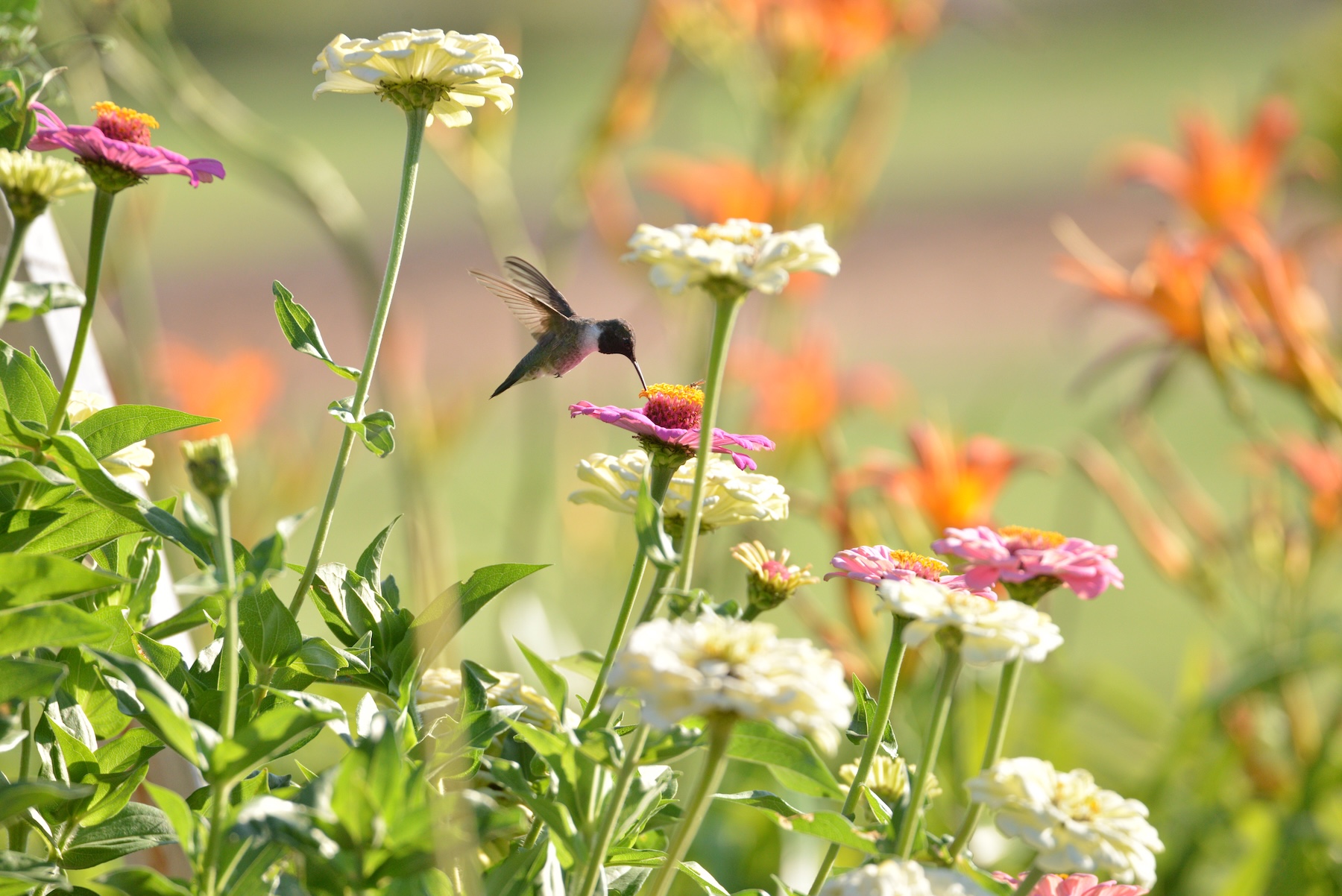
Why Backyard Birds Disappear Seasonally and Where They Actually Go
A coworker and I recently struck up a conversation with a local landscaper about what I can only describe as the ’sense” of nature. More specifically, how little of it he saw, smelled, or heard. “Where did all the birds go? Where are all the bugs?”, but I subconsciously wrote this off as alarmism. As schools open up, I’m spending more time in public places. While walking around, appreciating the scenery, I remembered what the landscaper said. I thought back to my earliest memories of the outdoors. I would wake up to the songs of countless birds from the woods behind our house. I’d run outside after sundown to catch fireflies. These aren’t supposed to be fleeting memories though, right? When I was a child, fireflies were as much a part of night as the moon itself. With or without us, they glow. The birds would still chirp, and the bees would still make honey. This is the exact moment that I felt something missing. I stopped walking for a moment to concentrate.
It was the silence.
I couldn’t quite place that feeling before, but the absence of the hustle and bustle of nature glares at you. I needed to know what was different then versus now. I needed to know if I were going crazy, or is nature becoming less natural? It’s what inspired me write this article, and I hope it convinces you to take a moment yourself and ask: “Where did all the bugs and insects go? Why don’t I see as many birds as I did in my youth?”.
Hearing is Knowing
Why does it seem as though – with each passing year – the hum of nature’s organic symphony grows fainter? Though using our ears as “proof” may appear crude, the sound of the natural world gives us great insight into population trends and biodiversity. This exact process – called bioacoustics –whereby microphones are placed in specific locations over multiple years or decades was monumental in the discovery of North America’s dramatic loss of bird life. Over a 50-year period, scientists found a staggering 30% decline in population, or just under 3 billion birds. There are plenty of variables that can and did contribute to this nosedive over a relatively short time frame, many of which are directly linked to human activities. Using modern technologies and experimental methods like bioacoustics is not only the least we can do to protect endangered species, but it also opens the door to breakthroughs in the field of conservation.
Bird in a Man’s World
The largest contributing factor researchers found for the decrease in bird population density was the urbanization or industrialization of their habitats. That was followed by chemical dumping and pollutants, as well as a changing weather pattern. Any one of these done in excess or without regard for the environment creates disastrous outcomes in every link of the food chain. Insects haven’t seen a decrease nearly as notable but the variety of species serving their specific niche is not in a healthy place. Chemicals being improperly sprayed industrial farms, lawns, or gardens contribute to these outcomes. We are just barely beginning to understand how important each piece of the puzzle is to our way of life on earth – So, No – we aren’t crazy for noticing something is changing. Supporting or taking an interest in these stories really does move the needle. Most of us aren’t biologists from Stanford. It’s not our job to build the solution by hand. Our job is to ask where did all the birds go?