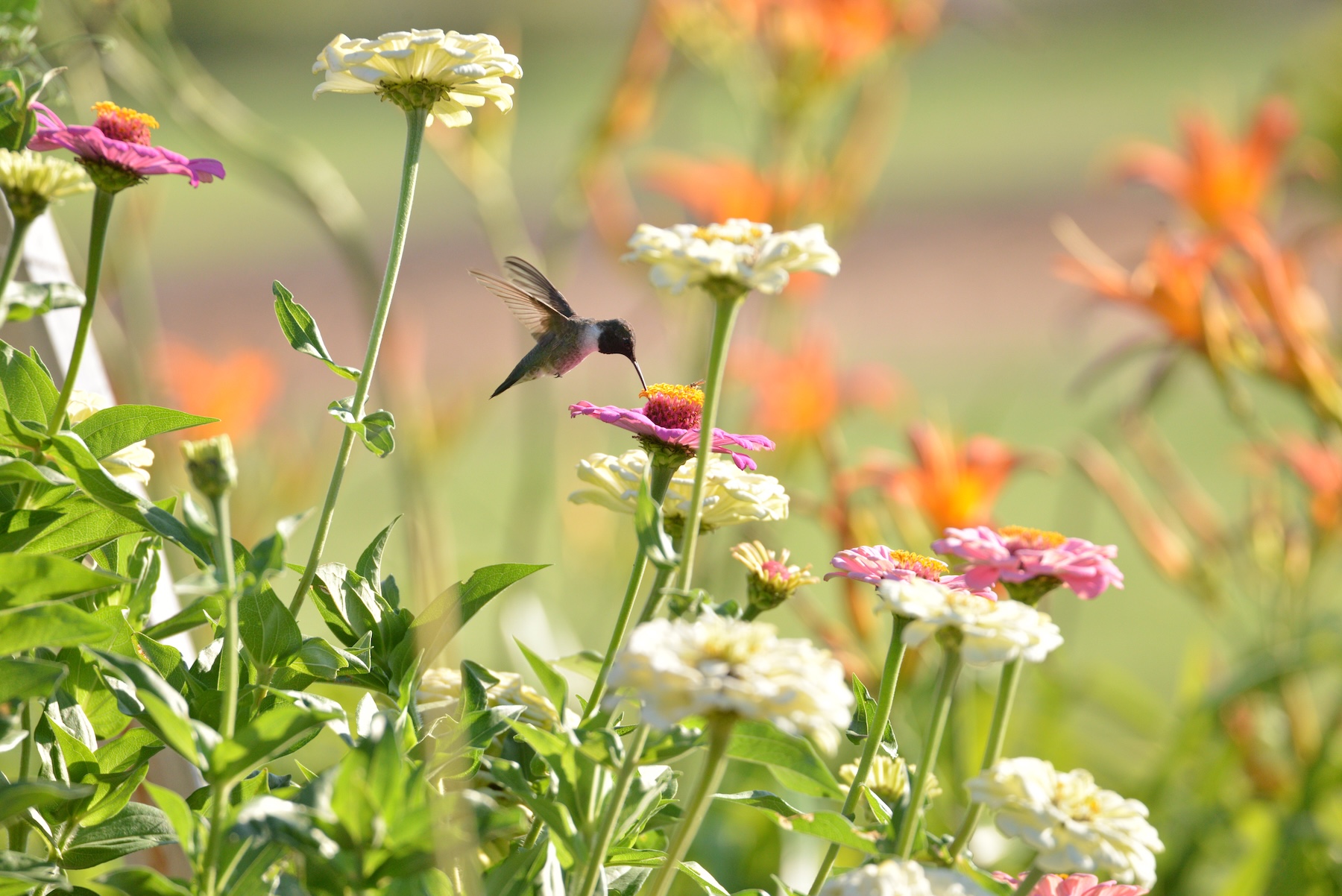

As a cornerstone of the Southern landscape, Camellias offer year-round interest with their glossy, evergreen foliage and a spectacular display of flowers during the cooler months. The family is full of breathtaking variety, but key traits create two distinct categories: Camellia sasanqua & Camellia japonica.
Understanding the differences between these two types – especially their blooming schedules – is key to creating a garden that offers continuous color from fall through spring. Below is a guide to some of the top-performing sasanqua and japonica varieties we proudly carry.
Camellia Sasanqua Varieties That
Bloom First Each Season
Camellia sasanqua varieties are the heralds of the Camellia Season. They typically begin their bloom period in fall and continue through early winter.
Key Sasanqua Charactersistics:
- Bloom Time: Fall to Early Winter (October-December).
- Flowers: Smaller than japonica, but just as vibrant and in greater numbers.
- Foliage: Generally smaller, lighter-green leaves.
- Growth Habit: Often more open, spreading, and slower growing, making them excellent choices for hedges, foundation plantings, or container gardens.
- Sun Tolerance: Happiest in partial shade (morning sun & afternoon shade), but many varieties tolerate more direct sun than their japonica cousins.
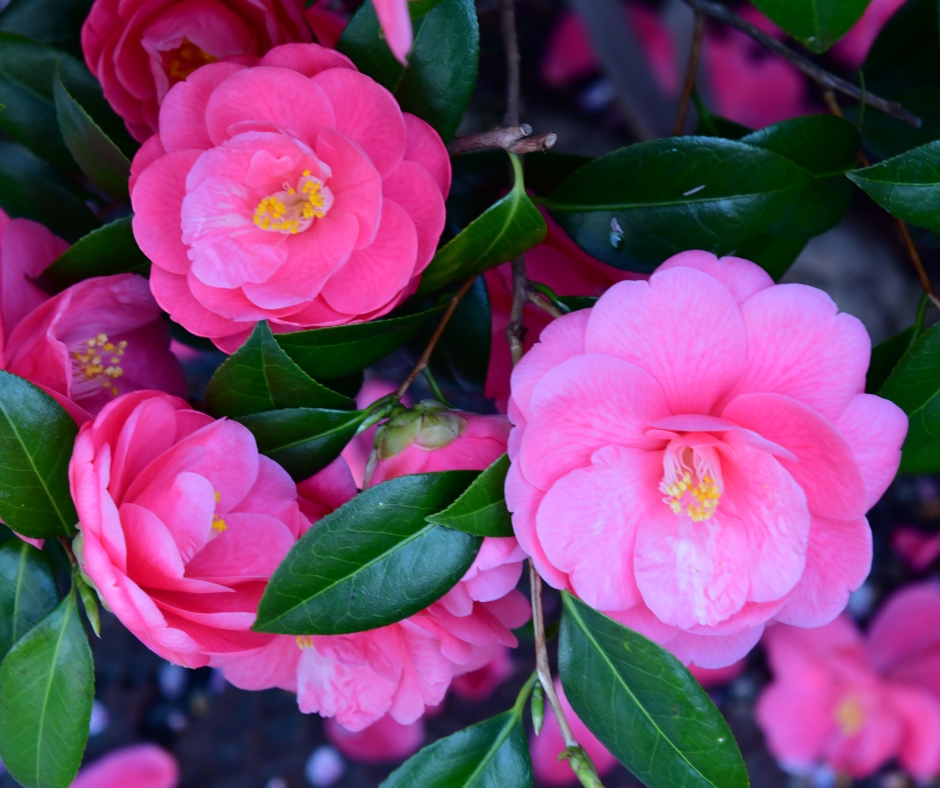
ShiShi Gashira
Our most popular camellia, ShiShi Gashira is a profuse bloomer that stands above the rest in terms of hardiness. It’s dwarf size gives the versatility needed to fit any landscape or foundation planting.
- Flowers: 2-3″ width
- Growth: Dwarf, 3-5′ height x 3-5′ width
- Sunlight: Partial preferred, 4-6 hours
Camellia sasanqua 'ShiShi Gashira'
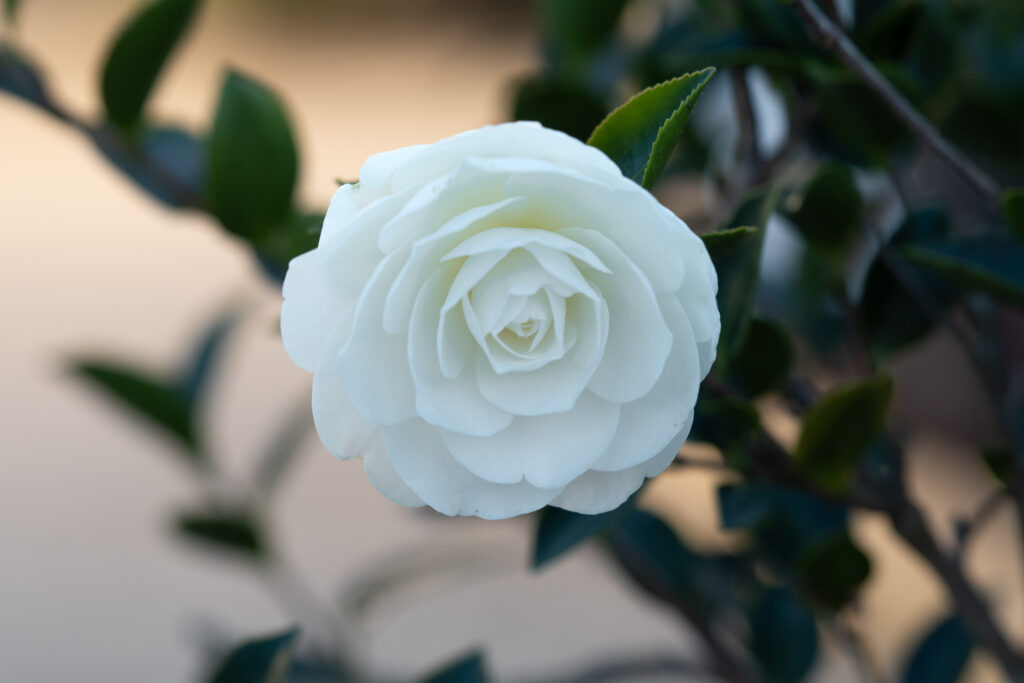
October Magic® White Shi-Shi™
Everything you love about ShiShi Gashira with a refreshing twist! The simple elegance of the White Shi-Shi flower contrasted with its signature dark, glossy leaves made this shrub an instant hit. Just like the original, a dwarf growth habit makes this camellia a great pick for almost anywhere.
- Flowers: 2-3′ width
- Growth: Dwarf, 3-4′ height x 3-4′ width
- Sunlight: Partial preferred, 4-6 hours
Camellia sasanqua ‘Green 02-004’ October Magic® White Shi-Shi™ PP27553
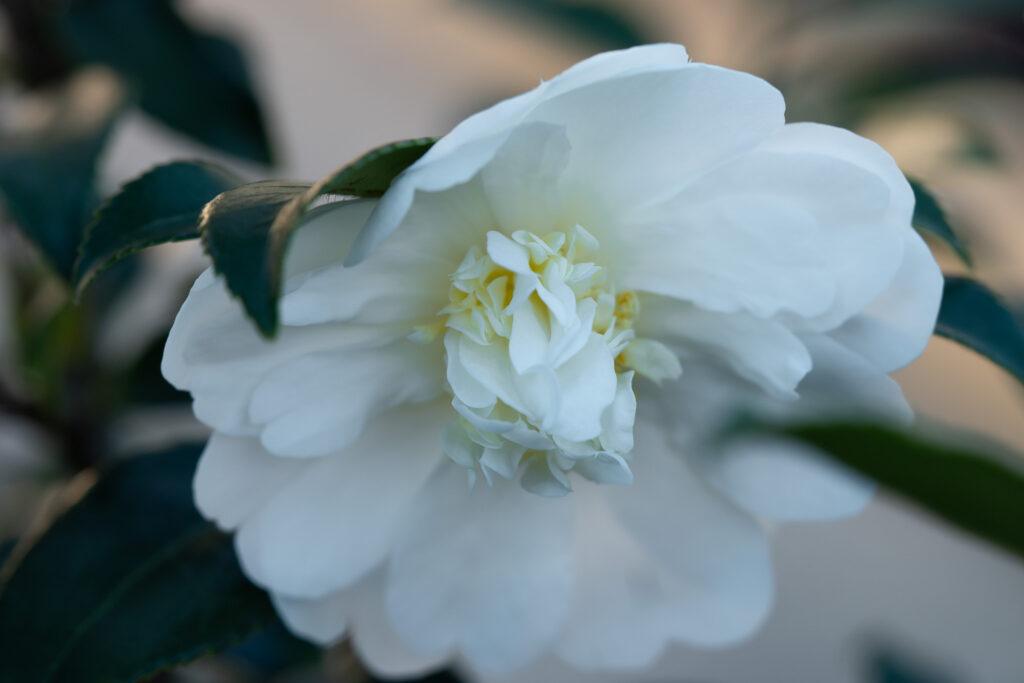
Snow Flurry
Technically a hybrid, ‘Snow Flurry’ Camellia produces large double & semi-double blooms in a beautiful winter display. It’s flowing growth habit demands a bit more space, but that’s a well-worth trade to see white blooms just before a white Christmas.
- Flowers: 3-4″ width
- Growth: 6-8′ height x 3-5′ width
- Sunlight: Partial preferred, 4-6 hours
Camellia x 'Snow Flurry'
Come See Fall Favorite Flowers In-Person!
Camellia Japonica: Late Bloomers
As the sasanquas begin to fade, the Camellia japonicas take center stage, providing a much-needed splash of color in late winter and early spring.
Key Japonica Characteristics:
- Bloom Time: Late Winter to Spring (January-April)
- Flowers: Largest in the family, eye-catching blooms in various forms / color combinations.
- Foliage: Distinctively larger, darker, and glossier leaves.
- Growth Habit: Typically grows into large, dense, and rounded shrubs or small trees.
- Sun Tolerance: Prefers more shade, especially protection from intense afternoon sun.
April Remembered
‘April Remembered’ is best known in the horticulture world as being a giant step-up in hardiness & disease resistance, but that doesn’t take away from its exceptionally long blooming period and curb-appeal! This variety produces flowers with vibrant-pink petals that soften towards the center, converging on the bright golden stamen.
- Flower: 4-5″ width
- Growth: Somewhat rounded, 8-10′ x 6-8′
- Sunlight: Partial Shade, 4-6 hours
Camellia japonica 'April Remembered'
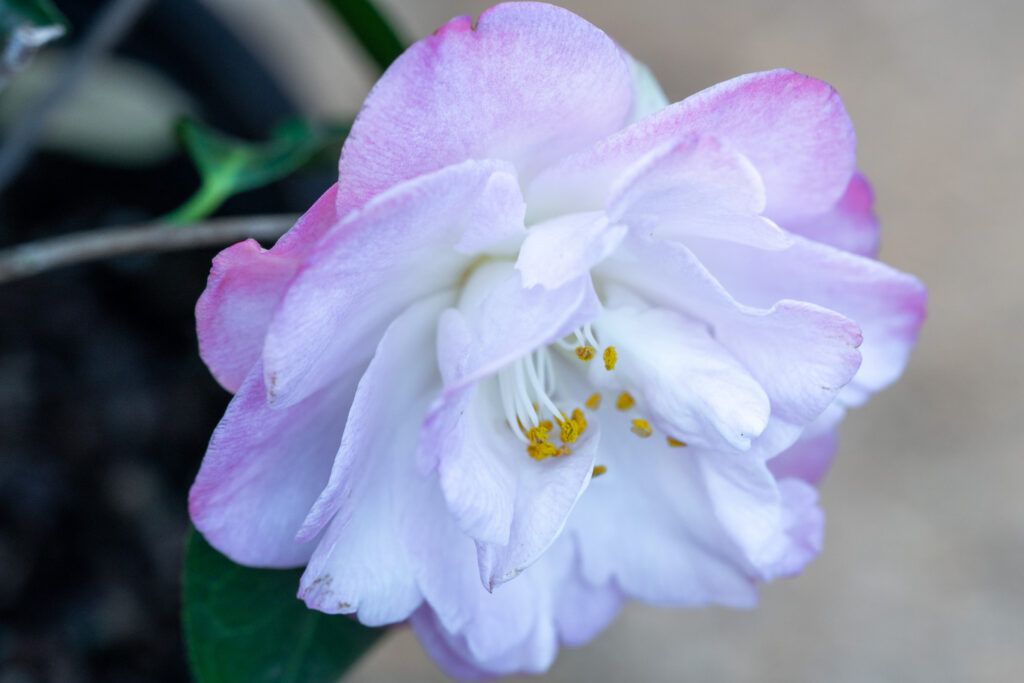
Professor Sargent
A japonica boasting large, deep crimson blooms that unfurl like velvet tapestries. Each petal holds a hint of burgundy, adding richness and depth to the show. Picture this flower contrasting against the backdrop of your emerald lawn – it’s a guaranteed showstopper!
- Flower: 4″ width
- Growth: Dense, 12′ height x 10′ width
- Sunlight: Partial Shade, 4-6 hours
Camellia japonica ‘Professor Sargent'
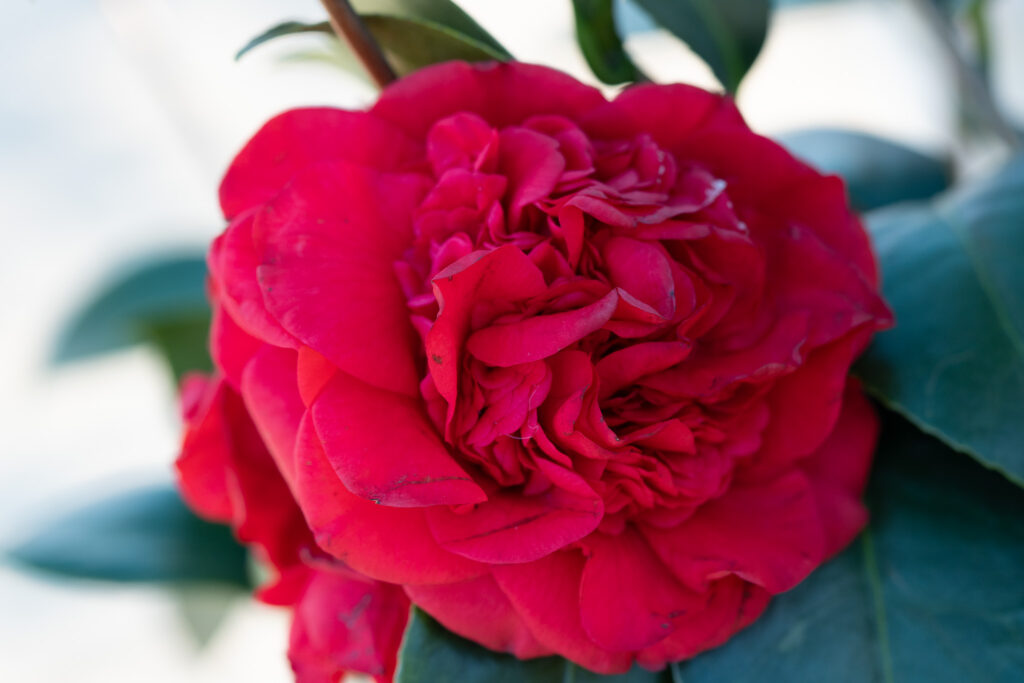
Rose Dawn
Rose Dawn is a japonica true to its name: at peak, the flowers could almost fool you into seeing an oversized rose bloom! Some may disagree, but I would call it firmly pink – if anything a similar shade to the Shi Shi Gashira. What’s not similar is the unique folded structure of the flower, with petals furling over one-another as if trying to conceal whatever is inside.
- Flowers: 4-5″ width
- Growth: Vertical & Dense, 10-12′ height x 6-8′ width
- Sunlight: Partial shade, 4-6 hours
Camellia japonica 'Rose Dawn'

Deep Discounts & Seasonal Sales, Updated Weekly!
Camellia FAQs
Best Time to Plant?
Don’t wait: Fall is the perfect time to purchase and plant Camellias! Buying early ensures you have the best selection of varieties while theya re in full bloom, and it gives the plant a full season to establish a strong root system before the stress of summer heat arrives.
Soil & Site Preparation
Camellias are acid-loving plants. To give your new shrub the best start:
- Soil: Ensure the planting site is well-draining
- Amendments: Use amendments like gypsum or high-quality compost to break upo compacted or heavy clay soil. Test your soil and use a soil acidifer if neccesary to ensure it’s slighly acidic.
Watering & Pruning
- Watering: Camellias require moderate watering. Water regularly, espeically during the hot, dry summer months or directly after planting. You can slightly reduce watering as the bloom season approaches.
- Pruning: Wait to prune your camellias until early spring, immediatelyt after the current flowering period ends. This ensures ytou don’t accidentally remove developing flower buds for the ne=xt season.
- Protection: Apply a generaous later of mulch around the base of the shrub. Mulch helps regular soil temprerature, tretains moisturem adn protects the root system from harsh weather.
Fertilizer: Boost Your Blooms
For optimal health and flower production, use a Camellia-specific fertilizer. These products are formulated with the right nutrient balance and acidity level for your shrub. You may also consider a systemic insecticide or fungicide combo fertilizer to both feed the plant and provide protection against common pests and diseases. Many pests and diseases can dampen or destroy a bloom period by damaging flower buds. Don’t say we didn’t warn you!