A Leafy, Tropical Favorite for Louisiana Gardeners
Cordylines provide bold bursts of color, adding exotic interest to any landscape or indoor space. Their sword-shaped leaves are the perfect canvas for striking variegated patterns.
Louisiana gardeners are no stranger to Cordylines: the plant prefers high-humidity and heat, both of which we have in strides down south! Different varieties prefer slightly different levels of sunlight, but cordylines typically grow best in partial shade. This is great news, as shady areas are all-too-often lacking a plant that demands attention. Not a problem with Cordylines!
Let’s take a look at all the showiest varieties we stock in the Spring at Louisiana Nursery, with a bonus care-guide to round it out!
Cordyline Varieties:
Stocked Every Spring at Louisiana Nursery
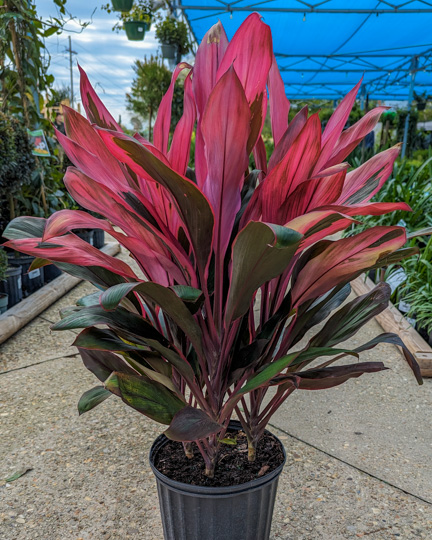
Florida Cordyline
Cordyline fruticosa ‘Florida’
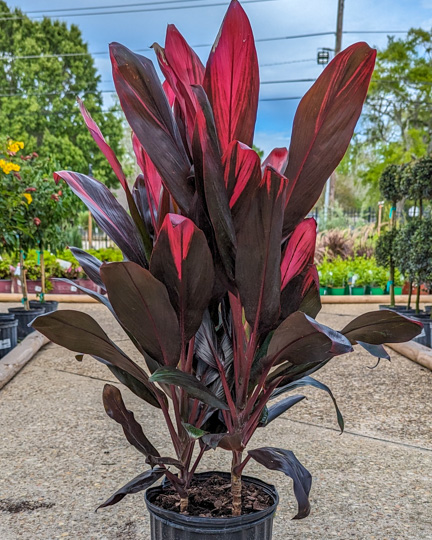
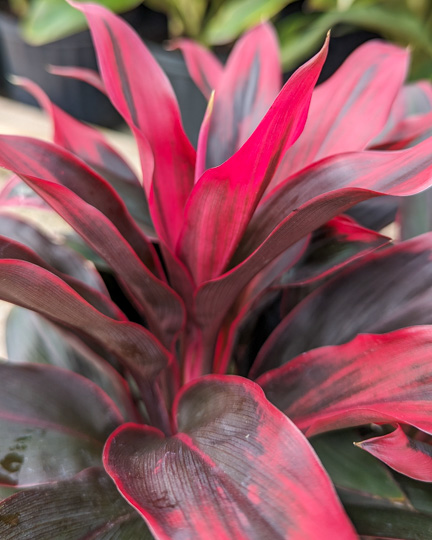
This stunning cordyline has large, robust leaves with a dazzling mix of pink, red, purple, and deep green. Its mature form creates a dense clump of foliage and a more vertical growth-habit. Great for large containers on the patio. Alternatively, let this shrub-sized accent stretch its roots in a shady part of the landscape. Just be sure it drains well!
Sun: Prefers partial shade, best if full-shade in the afternoon
Height & Width: 6-ft by 4-ft
Watering: Moderate watering, more in the summer
Florida Cordyline
Cordyline fruticosa ‘Florida’
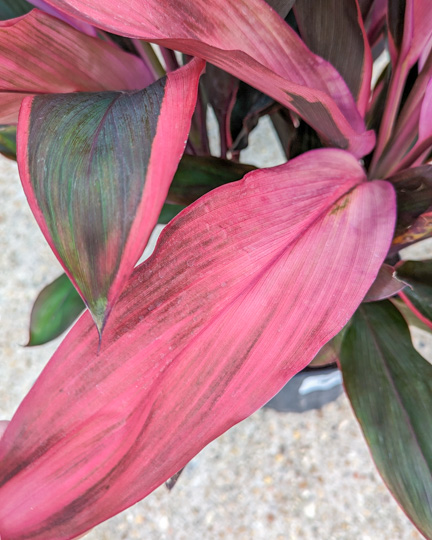
Kiwi Cordyline
Cordyline fruticosa ‘Kiwi’
Kiwi makes a splash with blotchy magenta and fuscia variegations to its leaves. These blotches add that extra touch to already striking foliage, one of our staff’s favorite selections. It’s also notable for staying a foot or two smaller than other cordylines, another excellent choice for containers.
Sun: Prefers partial shade, best if full-shade in the afternoon
Height & Width: 4-ft by 3-ft
Watering: Moderate watering, more in the summer
Kiwi Cordyline
Cordyline fruticosa ‘Kiwi’
Red Hawaiian
Cordyline fruticosa
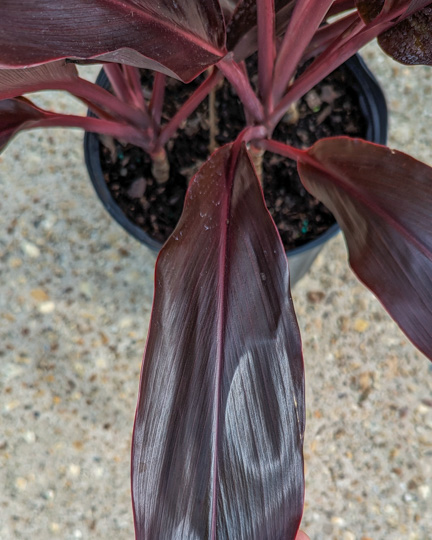
Often grown indoors as an attractive container plant, Red Hawaiian is unmatched in color contrast. Red & black are a tough combo to beat. Add in a gradient of purple to dark green as colors shift and you can see why people want them in the home. Notably, Red Hawaiian’s can handle a bit more sun than other varieties.
Sun: Prefers partial sun, or bright direct window light.
Height & Width: 5-ft by 3-ft
Watering: Moderate watering, more in the summer
Red Hawaiian
Cordyline fruticosa
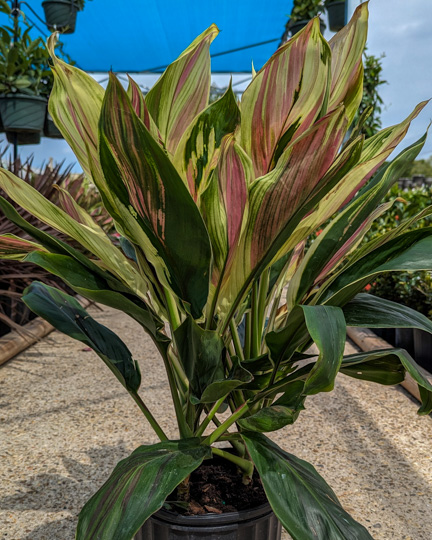
Sherbert Cordyline
Cordyline fruticosa ‘Sherbert’
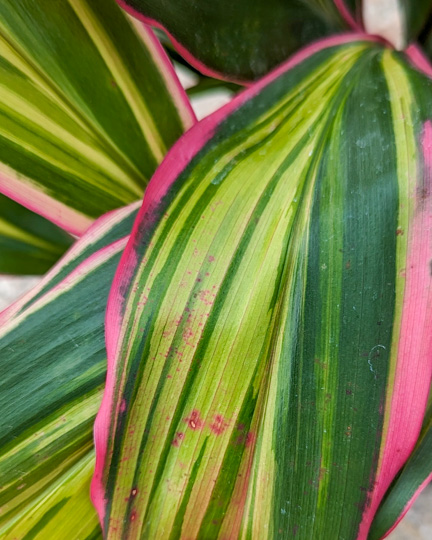
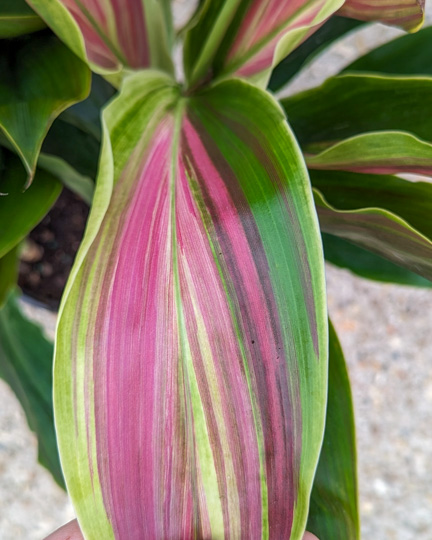
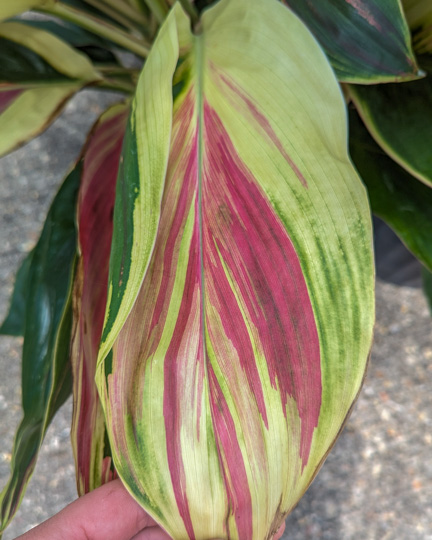
My 2nd favorite on this list is definitely the ‘Sherbert’. Lots of green, wide leaves, and just enough streaks of pink, magenta, and purple to make it interesting. New leaves have just as much color as mature ones do. The undersides of leaves take everything we see on top but in a subdued palette. The more you look at the plant, more traits pop out at you!
Sun: Prefers partial shade, best if full-shade in the afternoon
Height & Width: 5-ft by 3-ft
Watering: Moderate watering, more in the summer
Sherbert Cordyline
Cordyline fruticosa ‘Sherbert’
A 'Sherbert' Swirl of Color
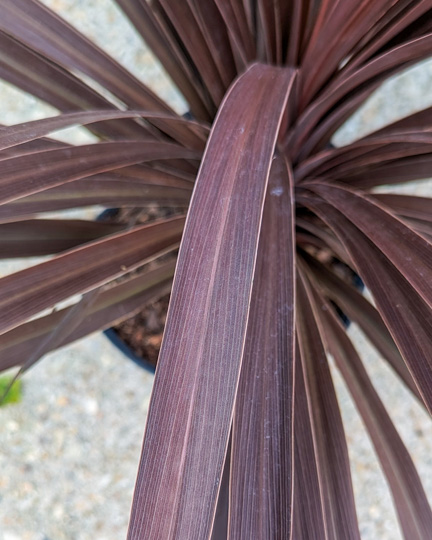
Red Star Cordyline
Cordyline australis ‘Red Star’
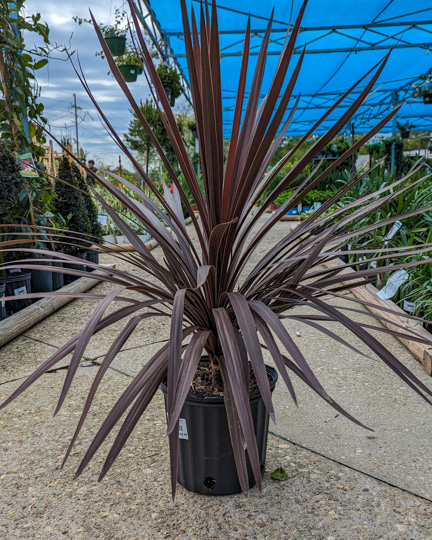
With its deep burgundy-red foliage, the Red Star cordyline adds drama and sophistication to your garden. This variety is known for its exceptional cold hardiness (about 20 degrees), and large size at maturity. It’s unlikely to get 20-ft tall here in Louisiana, but don’t expect it to stop where other varieties normally do. Unlike others on this list, red star leaves are thin, aesthetically similar to grass blades.
Sun: Prefers partial shade, best if full-shade in the afternoon
Height & Width: 6-ft by 4-ft
Watering: Frequent watering, especially in summer
Red Star Cordyline
Cordyline australis ‘Red Star’
Maria Cordyline
Cordyline fruticosa ‘Maria’
Maria takes striking to a new level! Most leaves have a primary and secondary palette, with margins and slashes of variegations. Maria is notable for growing full, making any clean-up of yellowing leaves unnoticeable.
Sun: Prefers partial shade, best if full-shade in the afternoon
Height & Width: 3-5ft tall & wide
Watering: Moderate watering, more in the summer
Maria Cordyline
Cordyline fruticosa ‘Maria’
Exotica Cordyline
Cordyline fruticosa ‘Exotica’
Exotic and alluring, this cordyline has wide, long, arching leaves in shades of dark pinks, full greens, and striking yellows. It offers an elegant and tropical touch, and has been a popular choice in the cordyline family for many years. Larger growing than most cordylines listed.
Sun: Prefers partial shade, best if full-shade in the afternoon
Height & Width: 6-8ft by 4-6ft
Watering: Moderate watering, more in the summer
Exotica Cordyline
Cordyline fruticosa ‘Exotica’
Auntie Lou Cordyline
Cordyline fruticosa ‘Auntie Lou’
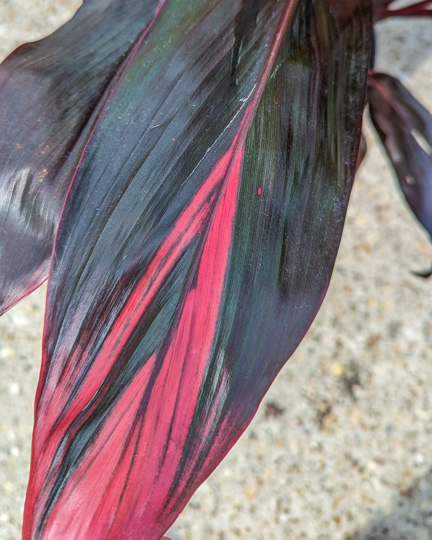
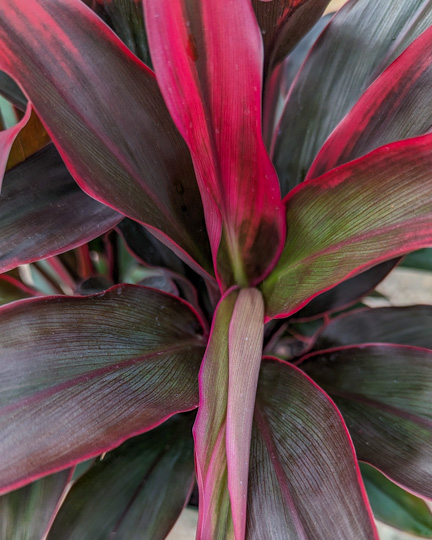
This showy cultivar sports deep burgundy leaves with bright pink to red variegation. The herbaceous stems add to the mix with more subdued red. If you love the look of cordyline foliage but favor more solid colors, this is a great choice. Also great if you already have some bright blooms in your shaded landscape, adding more than greenery while still sharing the spotlight.
Sun: Prefers partial shade, best if full-shade in the afternoon
Height & Width: 6-ft by 4-ft
Watering: Moderate watering, more in the summer
Auntie Lou Cordyline
Cordyline fruticosa ‘Auntie Lou’
Cathy Ann Cordyline
Cordyline fruticosa
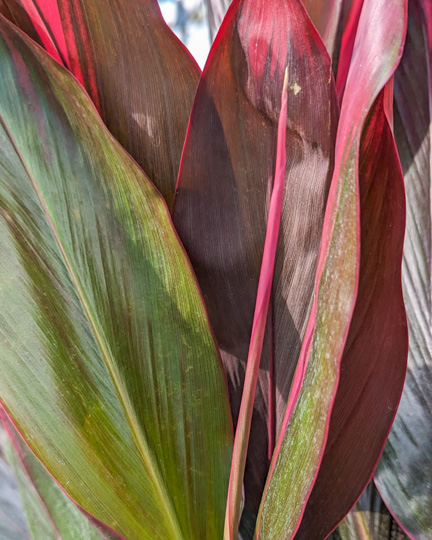
Unexpectedly, ‘Cathy Ann’ grew to be my favorite cordyline! I’m a sucker for dark foliage and high-contrast, but it was the leaf size and more rounded growth habit that put Cathy over the top. Large, wide leaves give those colors a worthy canvas. You won’t find a mix quite like this on any other tropicals, except in the cordyline family of course!
Sun: Prefers partial shade, best if full-shade in the afternoon
Height & Width: 4-6ft tall & wide
Watering: Moderate watering, more in the summer
Cathy Ann Cordyline
Cordyline fruticosa
Care-Tips for Cordyline Success!
Growing cordylines in Louisiana makes care simple, but it’s good to know what to expect:
Watering:Cordylines enjoy more regular watering than most shade plants, but drought is preferable to being water-logged. They need well-draining soil, whether that be in the garden bed or in a container. Be sure beds are positioned slightly higher than the surrounding turf grass, and individual plants mounded. In containers, get actual potting mixes or additives that aid in proper drainage.
Fertilizer: Fertilizers with a higher nitrogen-content seem to work best, but balanced fertilizers can also do the trick. Apply every 2-4 weeks in the growing season, depending on half / full-strength formulations. If first planting, root-stimulator is HIGHLY recommended.
Pruning:No pruning necessary, but cleaning is a different story. Remove yellowed / dead leaves (typically caused by over-watering) as they appear. If winter knocks them down, wait until early spring to cut them back to a inch above the healthiest stem.
Overwintering: Cordylines go dormant in the winter, but most varieties only tolerate around 40 degrees before suffering damage. As such, gardeners expect dieback most years in Louisiana, employing frost-cloth where possible. If mulched and covered well, the root-system will usually survive and make new shoots come spring.
Common Pests: Look out for mealy bugs and scale insects! Systemic insecticides, insecticidal soap, or neem oil all work with varying degrees of effort. Also – while less common – mold can be present when airflow between the foliage is lacking. Try physically shaping the growth overtime and only watering the base of the plant to avoid diseases.
Propagation: This clumping plant can easily be propagated by division. If you follow all other steps and your cordyline reaches maturity, carefully divide clumps into 2-3 new plants! Rooting stimulators are useful here as well.
As you can see, cordylines of all varieties offer a unique option for tropical foliage in containers or under the canopies. Louisiana Nursery only stocks the best cordylines available, working closely with growers and our staff to keep standards high. Stock heaviest in the spring, but sometimes available year-round.