Hydrangeas are a premier flowering shrub in South Louisiana gardens and the world over. Large, rounded mopheads are the most recognizable, but reblooming and full-sun varieties have redefined hydrangeas for a new generation of gardens.
Different Hydrangea Types for Sale and Care Tips at Louisiana Nursery
For the first two categories, we’re looking at the differences within the Hydrangea macrophylla species. Specifically, how their “blooms” are structured.
Mophead Hydrangeas


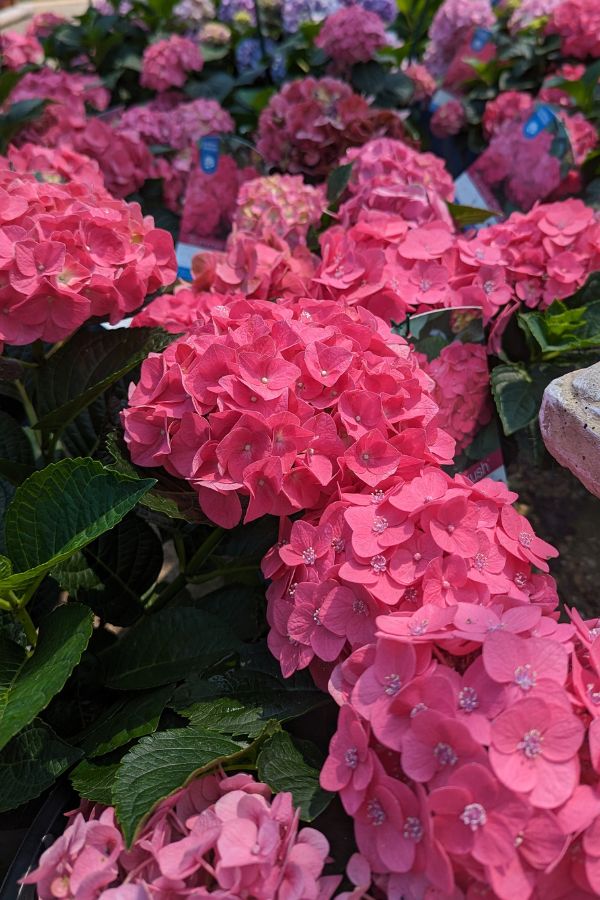

Mophead hydrangeas are not any one variety, instead it describes the shape of the hydrangea blooms. Rounded, large clumps of colorful flowers (technically sepals) create a stunning, ever-popular display.
You can find mophead hydrangeas in blues, whites, pinks, purples, and all the possible combinations in-between.
Lacecap Hydrangeas

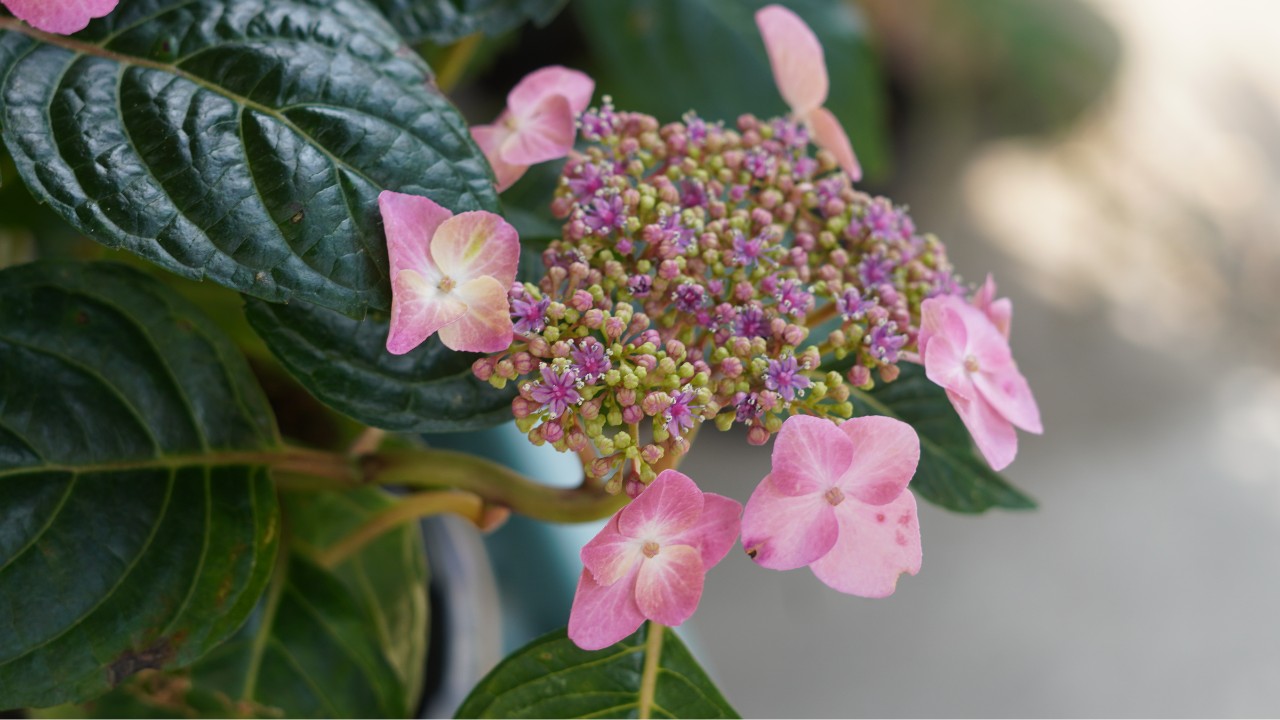
Lacecap hydrangeas, on the other hand, bring flashy color but in a more elegant style. You’ll notice that flowers from the mophead still appear on the outer edges of these blooms. In the center, a mix of colorful “beads” – unfertile blooms – adds a unique texture. Again, you’ll find lacecap hydrangeas in all typical colors.

Hydrangea paniculate
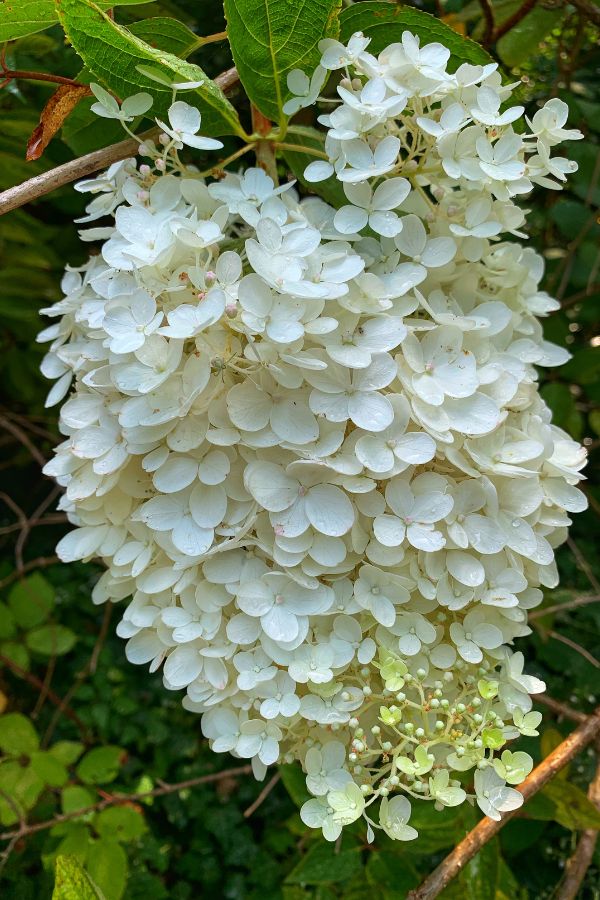
Panicle hydrangeas produce even larger, football-shaped blooms with an off-white and green hue.
From Proven Winners, the Limelight series took panicles to new heights with longer bloom periods, full-sun preferences, and color-changing sepals. In fall, the off-white and green slowly transform to pink and dark burgundy. A few years later, Limelight Prime & Little Lime pushed things further with medium and dwarf, compact growing versions.


Caring for Hydrangeas in Louisiana
Sunlight
Your best bet for happy, healthy hydrangeas in Louisiana is with morning sun and afternoon shade. Most will have no problem flushing out blooms with 2-4 hours of sunlight.
New varieties like the Limelight & Limelight Prime hydrangeas are part of a growing list of sun-loving exceptions. However, the majestic blues, lilacs, and purples are still locked behind shade requirements.
Watering
Hydrangea varieties often die from being watered too frequently. While they do prefer moisture in the ground at most times, this should be achieved by thorough watering and heavy mulch. If you rely on water alone to get through the summer, your hydrangea won’t absorb it fast enough, causing root rot.
Another watering issue comes from hydrangea’s dramatic visual cues. Gardeners see wilting foliage and jump to soaking the bed again. Or even worse, they try to “cool the plant down” by soaking the leaves and flowers. This will lead to fungus, especially on compact varieties.
Planting
Plant hydrangeas in the spring or fall, but try to avoid the hottest part of summer. Always use root stimulator for faster establishment.
Dig the hole 2-3 times the diameter of the pot, but no deeper than the pot. Preferably, the base of your hydrangea sits an inch higher than the surrounding bed.
Fertilizing
Fertilize every 4-6 week in the growing season. Balanced fertilizers work fine, or go with a high phosphorus content for more, bigger blooms.
Pruning
Some hydrangeas like mopheads rarely if ever require heavy pruning. If you choose to prune, do so right after the shrub is done producing flowers.
Just know that many of the traditional hydrangeas only bloom on old growth, so you’ll be waiting quite a while before producing buds again.