When it comes to growing beautiful roses of all shapes and sizes, the gulf-coast has it fairly easy with lots of hot, sunny days and mild winters. While the high humidity can lead to occasional disease or fungal infection, that’s a challenge every seasoned rose-gardener has experienced at least a few times over the years. And – with the help of this guide from Louisiana Nursery – we hope to help you avoid it entirely!
Different Types of Roses
Before you start worrying about problems to solve, be sure to enjoy the best part of growing roses: Picking the best-looking type and variety for your own garden bed! There are quite a few, each with their own unique characteristics. At the end of the day, though, it’s up to you whether a climbing or ground cover growth habit is a benefit or a drawback.
Hybrid Tea
Large-blooming roses with a great balance of flower size and flower quantity. These roses require a bit of extra maintenance like deadheading, but well worth it for just one more of these beautiful flowers.
Grandiflora
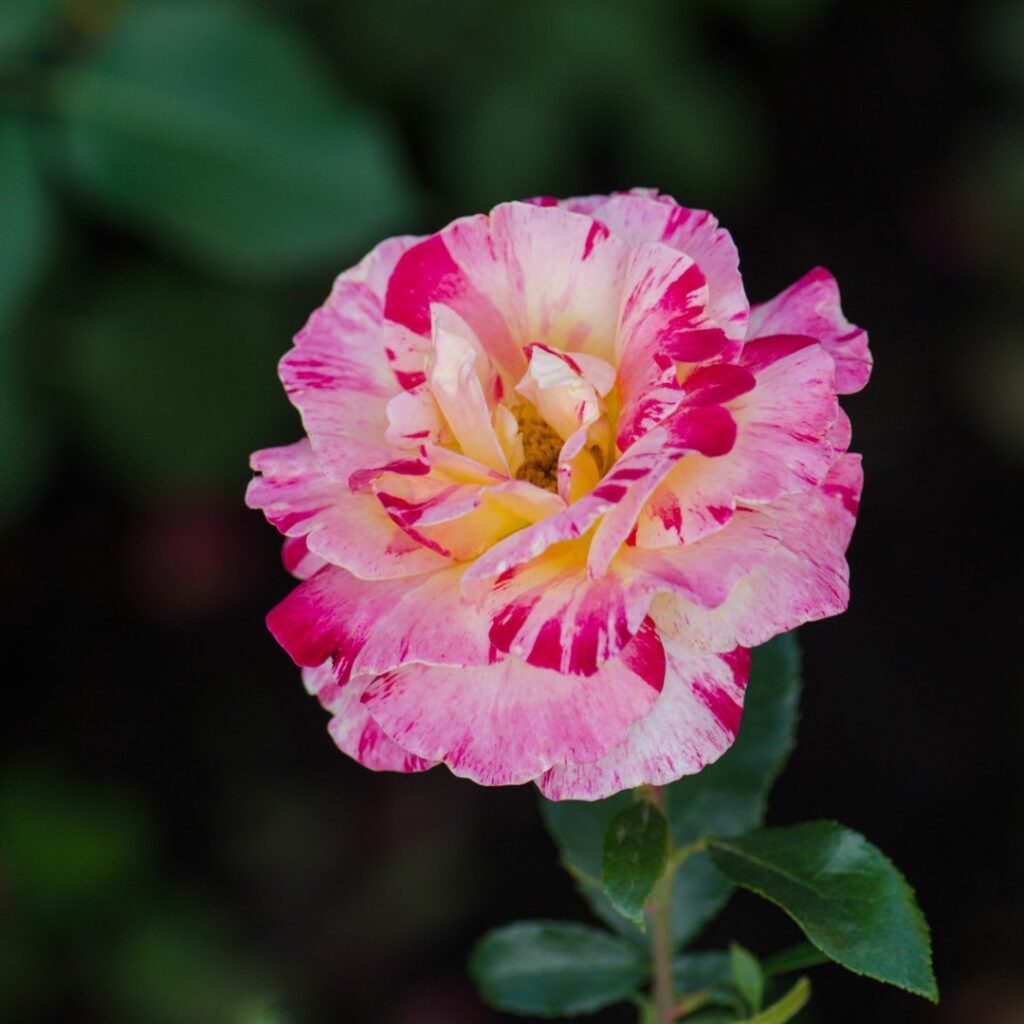
Like hybrid tea but with larger, less numerous blooms per stem. These are some of the biggest rose flowers you’ll find at Louisiana Nursery (3-5 inches wide). They are excellent for working into bouquets or even as individual cuttings.

Florabunda
Clusters of smaller, more numerous flowers that will bloom continually throughout the growing season. This continual blooming pairs nicely with Floribunda’s partial self-cleaning trait, removing spent flower petals all on their own. It will still require some deadheading for the best possible look.

Shrub Roses
Diverse group with many shapes, sizes, and blooming habits. The most notable shrub rose at Louisiana Nursery would be the Single and Double Knock Out.

Climbing / Vining
Grows vertically on trellises or structures, typically blooming either once in a flush during the growing season or continuously. Peggy Martin Rose is a notable climbing rose in our stores.

Drift Roses
Low growing, spreading habit with small but continue bloom production. These roses are hardy as can be, a gardener-favorite for spots with too much sun for your typical bedding flower.

(please note: these are stock images, no guarantee of availability)
“The more you love roses, the more you must bear with thorns.”
– Portuguese proverb
At Louisiana Nursery, there are always a few plants in different categories that go unsold the year we bought them, including roses. That means we have a ton of experience pruning and shaping them after the dormant season! We live by the rule “Pruning with a Purpose”, which means to understand not only how, but why and when to prune your roses for a desired affect. Some pruning encourages growth, some encourage bloom, and some even reduce the likelihood of disease!
Pruning Your Roses
There are two main ways to go about pruning your roses, each with a particular purpose and timeframe to do so:
Method One: Deadheading
Timeframe: Throughout the growing season
Purpose: Slight shaping of the plant, extend blooming season / increase number of blooms, get a cleaner looking plant
Method Two: Cutting Back
Timeframe: Very early spring , repeat in the Fall on a smaller scale
Purpose: Encourage new growth going into blooming season, reinvigorate plant before the Fall
Tips for Deadheading:
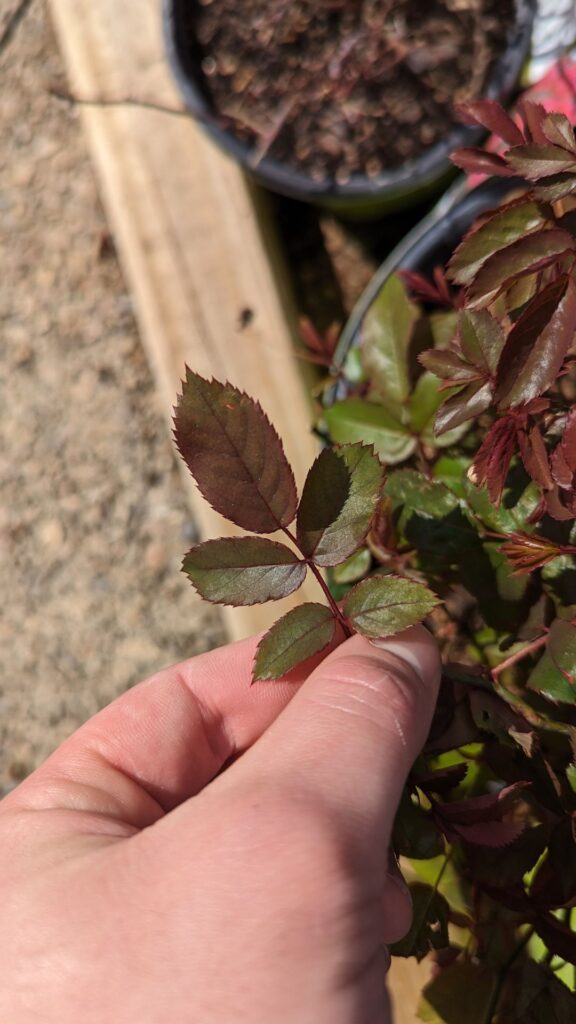
Always deadhead using the 5-leaflet rule, pruning at an angle just above a 5-leaflet. This leaves enough foliage to encourage a new flower stem to form. We also suggest only deadheading stems that are facing away from the center of the plant; This method promotes a wider growth habit and increases airflow, reducing the likelihood of sitting water and eventually fungal disease.
Cutting the stem is preferred over removing just the spent flower petals because seed pods will begin to form, meaning less energy going towards producing flowers and more on seeding.
Deadheading is a regular part of rose maintenance. Check your plants weekly during the growing season to get the most numerous blooms each season!
Tips for Cutting Back:
Cutting your rose plants back is larger but less frequent part of rose maintenance. In the late winter or very early spring, remove no more than a third of the body of the plant. Always cut at an angle, never straight-on, to increase speed of recovery. Try to follow the same guidelines for deadheading by prioritizing outward facing stems.
After the spring & summer, you can do a smaller scale “cut-back” in early fall. The difference should be much less dramatic, but when done properly will encourage a last good flush of blooms before the dormant season.
Quick Tip: Some rose varieties or whole families have a trait known as “self-cleaning” or “partial self-cleaning“. These roses – knockouts for self cleaning and drift roses for partial – are lower maintenance in that spent flowers will drop their own petals without human intervention.
However, self-cleaning roses DO NOT remove the seed pod that forms afterwards.
Without removing the seed pod, your rose will focus more on getting that seed to maturity rather than on producing more beautiful blooms. This is why – at least at our garden center – we still manually deadhead the stems of all roses regardless of self-cleaning traits.
“I’d rather have roses on my table than diamonds on my neck”
-Emma Goldman
Rose Fertilizer, Fungicides, & Pesticides
Rose growers and botanists have come a long way with implementing hardiness, self-cleaning, and disease resistance traits into many of the modern roses we find at the garden center. Even with “super roses” in your yard, you need to be aware of the care and chemical products that stop issues before they ever appear!
Fertilizers
Rose Food or Fertilizer should be applied about 2 weeks after you’ve cut back the plant in early Spring. Reapply fertilizer every 4-6 weeks.
Fertilize again after you’ve performed the smaller scale cut back in the Fall, but do not reapply. Reapplying fertilizer late into Fall could disrupt the growth-dormancy cycle of your rose, causing damage.
Rose Food
Formulated specifically for Roses, encourages steady new-growth and a fantastic flush of blooms!
Fruit & Flower
Formulated to encourage bloom production, includes Active Soil Microbes. OMRI & CDFA certified organic.
Rose & Flower Food
Formulated to encourage bloom production, OMRI & CDFA certified organic.
Fungicides & Insecticides
Fungus or disease issues are the most common problem with roses in Louisiana! Our extremely high humidity paired with occasional but torrential rainfall is the perfect condition for fungus to grow. Common issues include black spot, powdery mildew, downy mildew, blight, and various cane diseases. These are the issues that rose-specific fungicidal products target, and can be prevented entirely with a regular program.
While insects don’t pose as much of a threat as fungus in our climate, they are still definitely active! Thrips, Aphids, and many beetles all damage your plant or even ruin a perfectly good bloom before it has a chance to open. Plant care product manufacturers have made rose-care simple by formulating two-in-one, three-in-one, or even all-in-one products that handle everything nature throws at you!
Triple Action
Triple action by fertilome is a fungicide, miticide, and insecticide mix product that controls for various types of common rose pests & diseases. OMRI certified organic product.
Insect, Disease, Mite Control
Insect, disease, and mite control by BioAdvanced. Controls for many of the common pests and diseases in roses.
Rose Shield
Rose shield is a systemic product that protects your plant from all the common pests while also fertilizing to encourage beautiful blooms.
Rose Food + Systemic Insecticide
Protects roses from many common pests while also encourages beautiful blooms with fertilizer.
Don’t forget: We have an entire FAQ Page dedicated to common insects, fungi / disease, and other issues in Louisiana.
All in all, rose care can be pretty universal among the many families we carry at Louisiana Nursery. Patent roses may have an extra disease resistance here, knockouts can self-clean, but the work you put in really matters when the bloom season comes back around.