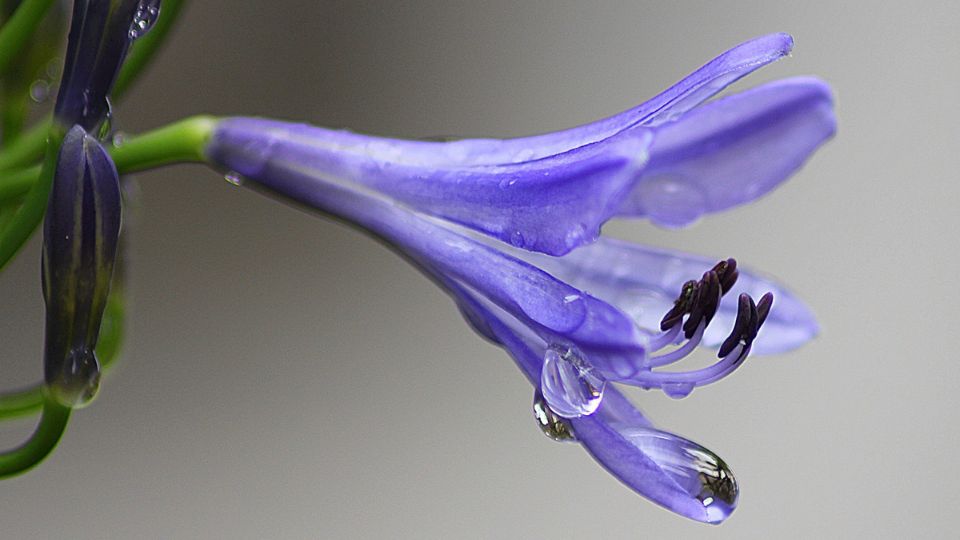
If you’re looking for a plant that offers unique architectural interest and beautiful, long-lasting flowers, then Agapanthus, also known as Lily of the Nile or African Lily, might just be the perfect addition to your garden. I’ve always admired the striking, spherical flower heads that seem to float above the foliage – they really make a statement!
The Allure of Agapanthus and Its Many Uses in Louisiana Landscapes
While the captivating blooms are certainly the main attraction, Agapanthus offers several other appealing qualities for the Louisiana gardener:
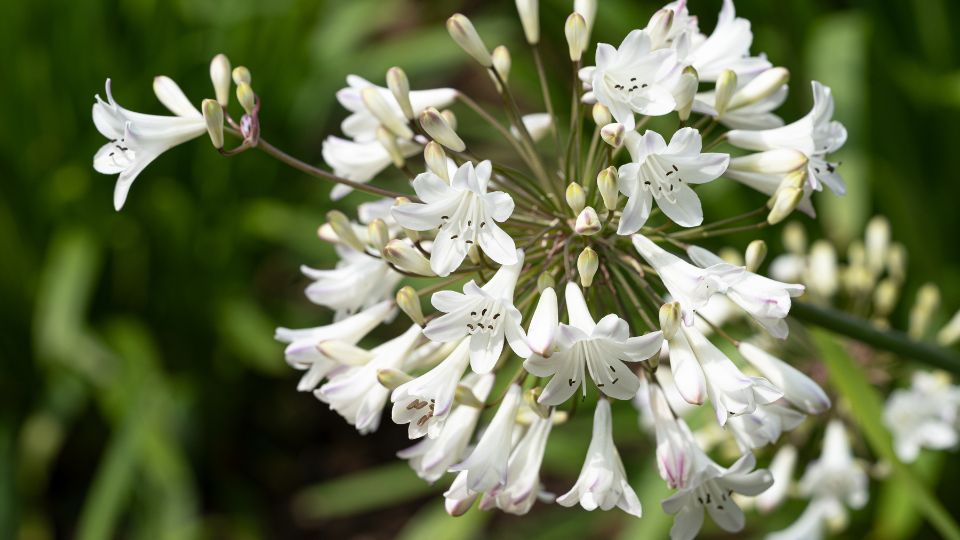
Unique Floral Display: The rounded clusters of trumpet-shaped flowers are truly distinctive. They come in shades of blue, purple, white, and even some lovely bi-colors, adding a sophisticated touch to any garden. The flower heads can be quite large and are held aloft on sturdy stalks, creating a beautiful vertical element.
Long Blooming Period: Depending on the variety and our Louisiana climate, Agapanthus can bloom for a significant period in late spring and summer, providing weeks of gorgeous color.
Relatively Low Maintenance: Once established, Agapanthus is generally quite easy to care for, tolerating our heat and humidity well. It’s also relatively pest and disease resistant.
Excellent Cut Flowers: The sturdy flower stalks and long-lasting blooms make Agapanthus fantastic for cut flower arrangements. They add a touch of elegance and a unique shape to any bouquet.
Versatile Placement: Agapanthus can be used in a variety of garden settings, including borders, mass plantings, and containers. Their architectural form also makes them great as standalone specimens.

Choosing Your Agapanthus: Types and Considerations
Agapanthus comes in several different types, mainly categorized by whether they are evergreen or deciduous (losing their leaves in winter). This is an important consideration for our Louisiana climate:
- Evergreen Agapanthus: These varieties retain their foliage throughout the year. They generally prefer milder winters and may benefit from some protection in particularly cold snaps in northern Louisiana. They often have slightly broader leaves.
- Deciduous Agapanthus: These types lose their leaves in the winter and are generally more cold-hardy. They tend to have narrower, strap-like leaves. For most of Louisiana, these are often a more reliable choice for year-round survival outdoors without special protection.
Beyond evergreen vs. deciduous, there are also numerous cultivars that vary in flower color, size of the flower head, and plant height. Some popular colors include various shades of blue and purple, as well as crisp white. Plant height can range from dwarf varieties that stay under a foot tall to larger types that can reach several feet when in bloom. Consider the mature size when choosing where to plant your Agapanthus.
Nurturing Your Nile Lily: Essential Care Tips
Here’s how to keep your Agapanthus thriving and producing those stunning blooms in your Louisiana garden:
Sunlight: Agapanthus loves sunshine! For the best flowering, plant it in a location that receives at least six hours of direct sun per day. While they can tolerate some afternoon shade, especially in the hottest parts of the day, full sun generally leads to more abundant blooms.
Soil: Agapanthus prefers well-draining soil that is also reasonably fertile. Amend heavy clay soil with compost or other organic matter to improve drainage. They are not particularly fussy about soil pH.
Watering: During the growing season and when they are actively blooming, water Agapanthus regularly, especially during dry spells. However, avoid overwatering, as this can lead to root rot. Allow the top inch or two of soil to dry out between waterings. Deciduous types will need less water during their dormant winter period.
Fertilizing: Agapanthus benefits from regular feeding during the growing season. Apply a balanced liquid fertilizer every 2-4 weeks from spring until the flowers fade. You can also use a slow-release fertilizer in early spring. Avoid high-nitrogen fertilizers, which can encourage foliage growth at the expense of flowers.
Overcrowding and Division: Agapanthus actually tends to bloom best when its roots are slightly crowded. However, after several years, the clumps can become very dense, which may reduce flowering. If you notice a decrease in blooms, it might be time to divide your Agapanthus. This is best done in early spring or after flowering. Carefully dig up the clump and divide it into smaller sections, ensuring each section has healthy roots and foliage. Replant the divisions at the same depth as the original plant.
Pests and Diseases: As mentioned, Agapanthus is generally quite pest and disease resistant. Snails and slugs can occasionally be a problem, and you can use appropriate baits or barriers if they become an issue. Root rot can occur in poorly draining soil or with overwatering, so ensure proper drainage.
Winter Care: For evergreen varieties in colder parts of Louisiana, some protection during hard freezes might be beneficial, such as a layer of mulch around the base of the plant. Deciduous varieties will naturally die back in the winter and don’t require special protection in most of our Louisiana climate.
Agapanthus brings a touch of sophisticated beauty and unique form to our Louisiana gardens. With their striking globular blooms and relatively easy care, they are a fantastic choice for adding a touch of elegance and long-lasting color to your landscape. Come visit us at Louisiana Nursery to explore the different varieties we have in stock and let us help you find the perfect Agapanthus to grace your garden! We look forward to seeing you!