Prayer Plant Care: Light, Moisture, and What Makes This Houseplant Unique
One of the most unique indoor plants at Louisiana Nursery has got to be the Prayer plant. The Prayer plant’s namesake comes from the cycles of raising and lowering its leaves with the arrival of day and night. While that would be reason enough to take interest, the bright clashing colors built directly into the oval-leaf structure can liven any plant set up.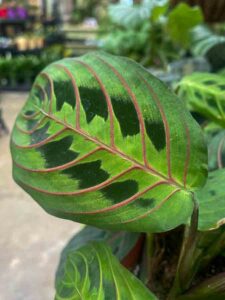
Native to the south American rainforests, Prayer plants would be situated close to the forest floor where they’d receive minimal sunlight and high humidity. To see your plant reach its full potential will require you recreating those conditions as best you can inside your home.
This means protecting your Prayer leaves from direct sunlight, keeping the soil full of moisture, and adjusting soil composition as needed.
- Prayer plants thrive off little to no sunlight. This doesn’t mean putting the plant on a windowsill is going to kill it but take note of the average hours of sunlight your preferred location receives. More sun, prolonged exposure, or even just short exposure during peak hours of the day could end up burning your plant.
- It is suggested to use warm / room temperature water when watering a Prayer plant. Always test your soil’s moisture simply by dipping your finger an inch or two into the dirt. If you are noticing most of the dirt does not stick to your finger, it’s probably time to add a little water. If you are really unsure on a hot day, misting warm water onto the plant itself can help reduce the likelihood of burnt leaves.
- Prayer plants naturally prefer more acidic soil composition. When it lacks the level of acidity preferred for a long enough time, your distinct, vibrant colors will begin to fade. I will always suggest using actual fertilizer because you can never be as precise with homemade remedies. However, a spoon full of used coffee grounds once a month is also great for adding acidity into your soil (one or the other (follow instructions carefully).
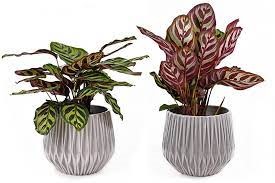 There are quite a few different varieties of prayer plants out there but most all of them follow the exact same care-routine. An 8-inch pot should be more than enough to last you the plant’s lifetime, but repotting should always be done towards the springtime with careful attention to the unfurling of roots from the root ball. The roots are delicate and can be irreparably damaged, so just some caution!