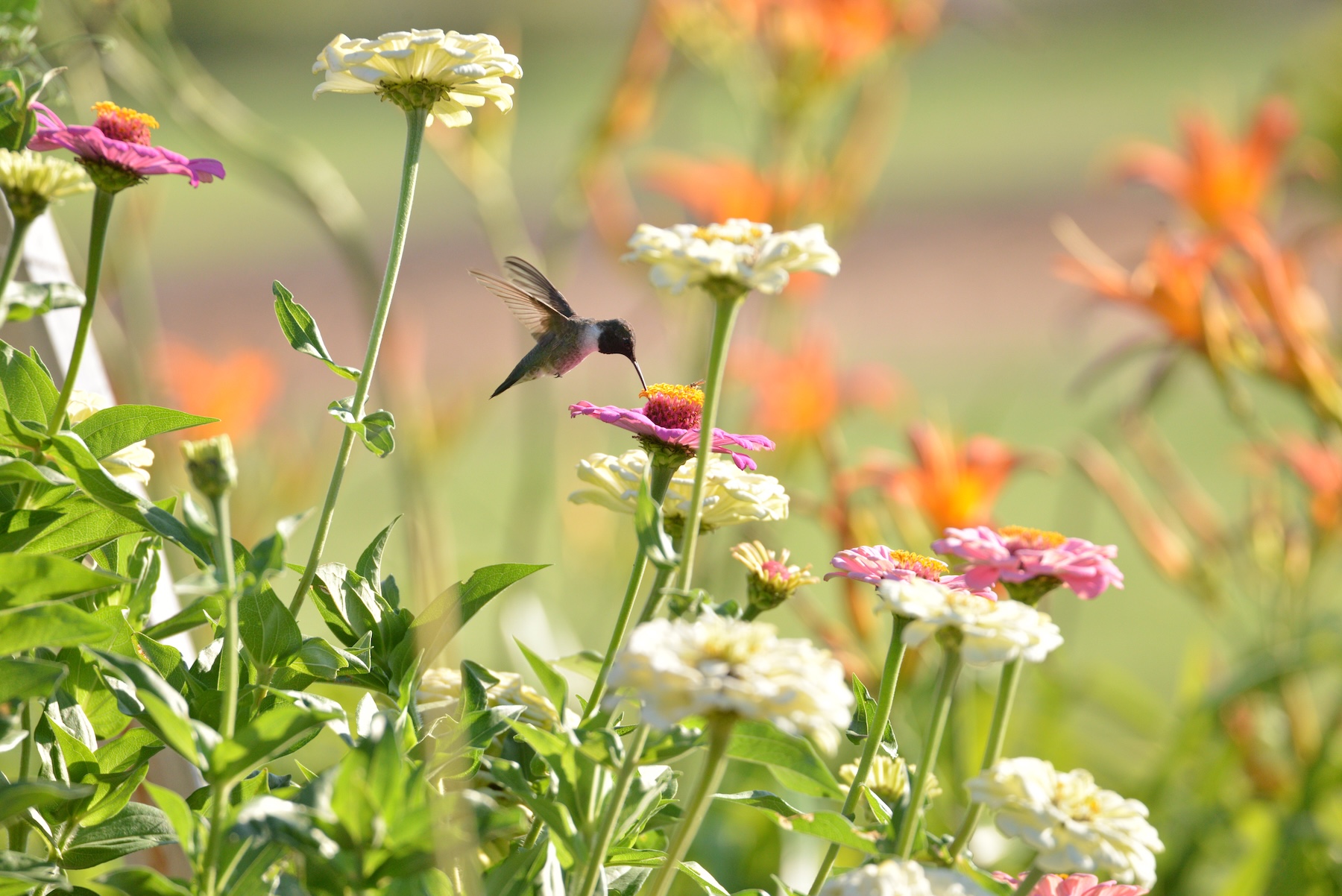
How Birds, Bees, and Trees Work Together in Your Louisiana Garden
The reproductive cycle of plants has got to be one of the most interesting and researched topics in all of horticulture. If you’ve ever split the leaf off a succulent or snake plant, you’ve seen the magic I’m talking about. With so many varieties meant to thrive in so many different sets of conditions, a select few have specialized into unique forms of reproduction. Humans utilized evolutionary selection to great success and were propagating plants with useful traits for as long as agriculture has been around. Hunter-gatherer societies transitioned into stationary tribes once they successfully tended a crop that could fruit quickly and was inexpensive enough to fulfill the needs of the tribe. It also played a large role in deciding things that affect us to this day, such as our selection of dietary options at the grocery store.
The biggest problem facing our early agricultural societies wasn’t the taste or texture of food, but more the supply of it. Plants that needed to be reseeded are labor intensive, so that’s why it’s not surprising the hottest trait any produce could have would be self-propagation or “budding”. This is why those potatoes you bought but never used start to form new growth; they’re cloning themselves! … or are they? Potatoes specifically can be grown from the seed as we’re all familiar with and therefore can have different genetic qualities than their parent plants. The answer, though, is yes – they are also the posterchild of food-cloning to the general public. Green thumbed gardeners might think of succulents like I mentioned earlier. This is a similar process but distinct in that a small portion of the plant itself – say a leaf – is subbed in rather than a fruit. It really is as simple as moving you cutting into a space with dirt of its own. With the plants being as low maintenance as they are, it’s a great gift to friends and family (you will have so, so many if you do this over any extended period of time).
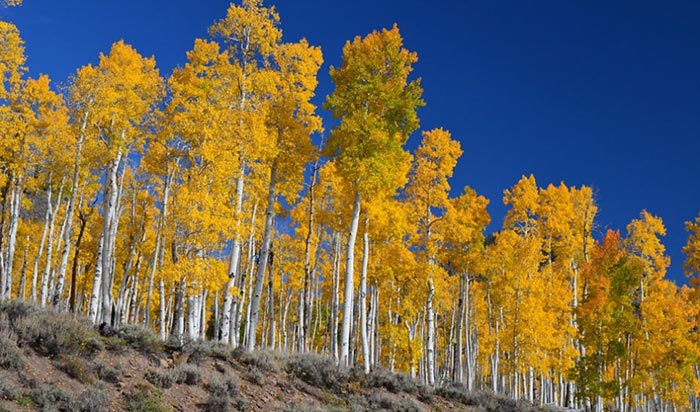
So far plants have shaped our societies in ways too numerous to count and even mastered cloning before solved 9 O’clock traffic, so maybe it wouldn’t surprise you when I say they’ve learned to live forever? A group of quaking aspens, which I’ve recently learned is called a “stand”, may be not only the oldest but also the largest living thing on earth. “Pano” literally translated “I spread” is one of these stands that has grown to approximately 47,000 trees spanning 200 acres in Utah. Quaking Aspens don’t reproduce with simple seeds or budding. They in fact merge the root systems of many different trees to form these stands. More simply, this isn’t really a forest, it’s a single living organism that uses one vast root system, cloning trees (stems) every several feet to feed the greater structure. The mother tree or original in each stand does eventually die, but the expansion far outpaces any deterioration. Not an elephant, nor a giant squid, not even a blue whale comes close to the size of Piano. Scientists have presented estimates of its age to be – at the very least – 80,000 years old. The higher end estimations are 10 times that number. This amalgamation of roots and trees has seen the near entire history modern humans. I don’t mean people living in cities. I mean from the birth of oral language. That is something quite magnificent in and of itself.