Petra Croton Care Tips for Getting the Most Vibrant Foliage Color
Petra Crotons are the signature fall shrub at Louisiana Nursery for their vibrant colors and low maintenance. Native to south-east Asia, Crotons prefer a stable temperature of around 85-90 degrees with 6-8 hours of sunlight. The amount of sunlight can vary between growers depending on the methodology: growers who introduce more light will produce crotons that can withstand more direct light when they hit maturity. The opposite is also true, and some crotons can even be grown in indirect light. No matter how you grow them, the goal is to show off those vibrant fall colors. This is why fertilizer is necessary as you’ll healthier. More colorful leaves. If you plan on repotting crotons and keeping them for more than a single season, definitely use well drained soil with at least some time-release fertilizer mixed in. Louisiana Nursery has its own brand of time-released fertilizer and potting soil mix.
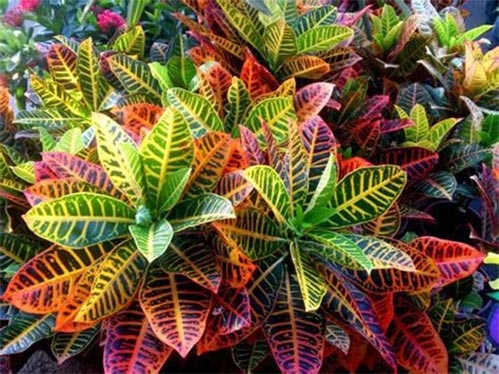
Watering your croton is a bit tricky but using well-drained soil should keep you on a once or twice per week schedule. If the plant is indoors without as much heat, use a spray bottle once a day for the best results. Crotons are susceptible to root rot just as any other plant but are grown most often in the cooler parts of the year. This means less evaporation takes place, leading to sitting water that can damage your plant if the proper attention is not given.
Crotons are technically toxic to animals (and people) if eaten. It’s not poison dart frog or anything but if you see your pet vomiting or showing signs of stomach irritation, check your crotons for bite marks. Crotons also have their share of pests to deal with – most commonly mealybugs and mites. Both can lead to a withering croton if left untreated, as well as wider infestation among your gardens. Take immediate action if you encounter these with general insecticide and fungicides.
Stop by to grab your beautiful Petra Crotons today!