Protecting Louisiana Garden Plants From Chilly Nights and Warm Winter Days
A Louisiana Gardener's Guide to Protecting Plants from Chilly Nights and Warm Days
Unless you were living under a cool rock this summer (we wouldn’t blame you!), you know that Louisiana faced weeks of extreme heat, as well as drought conditions that are ongoing. Here at Louisiana Nursery, we spent months educating our customers about how to protect their plants from triple-digit heat and stifling humidity. It was great to see so many gardeners taking proactive measures like watering more, moving tender plants to the shade and seeking drought-tolerant alternatives. Now that we’ve finally moved into a cooler season, it’s a great time to evaluate your gardens and landscapes and consider season-specific changes to your care routine and products, plus precautionary steps to protect plants from harsh winter lows.
Products To Have On-Hand:
- Mulch
- Frost-Cloth
- Winterizer
Here in Louisiana, temperatures can fluctuate from week to week, or even day to day. With all the best information we can provide, you’ll still need some products for prepping and for emergencies like an unexpected flash-freeze.
We highly recommend refreshing mulch, and having an extra bag or two on-hand should there be runoff from wind or rain. Mulch is nature’s perfect insulator, keeping soil underground warm and hospitable for plant roots.
In addition to mulch, you’ll also need a couple of frost cloths depending on the scope of your landscape. Frost-fragile trees – such as citrus – need their entire canopy covered to avoid damage. With proper precautions, you can even place a heat-source like an incandescent lightbulb under the covered structure.
Lastly, this is the final stretch of the season where winterizer application is still useful. Winterizer – which can be applied to lawns, trees, and shrubs – helps harden root systems to the negative impacts of freezing temperatures, while also jumpstarting the regreening of foliage & grass come spring. Winterizer II with Weed Preventer by Ferti-lome is our preferred winterizer product, as it has the added benefit of preventing germination of the most common cold-loving weeds in the yard. All listed products are available at our three locations!
Now that you’re armed with all the necessary tools, let’s get into our best advice and time-tested methods for achieving success in a Louisiana winter!
Tropicals & Potted Plants
As we mentioned before, our temperatures can be 80 degrees during the day and drop to 40 degrees that very night. These drastic changes from warm to cold can be unexpected, and we often forget to prep our plants on such short notice. If you’ve ever left a houseplant outside on a cold night, you probably noticed a wrinkled and scrunched appearance on the leaves. This is mild cold damage and is your plant’s way of letting you know to bring them inside! As a good rule-of-thumb, bring tropical plants (think Pothos, Sansevieria, Chinese Evergreens, some ferns, etc.) indoors or to the garage when temperatures reach 50 degrees. Some tropical plants can go a bit lower, but trying to keep track of this or that plant’s individual thresholds may be more overwhelming than it is helpful. The goal is to do it at all, more than being perfect!
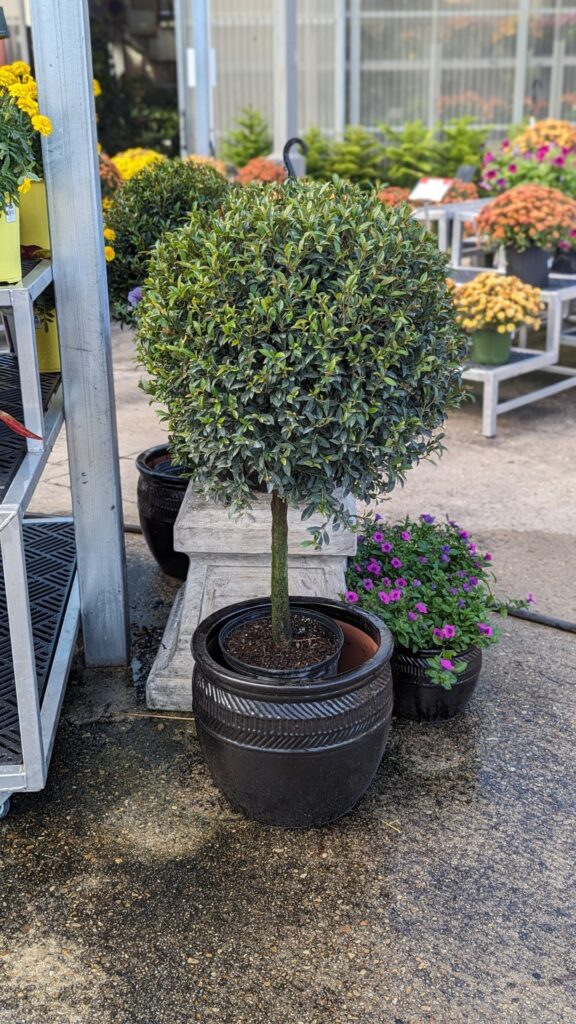
(Bonus tips: Eugenias are often mistakenly considered cold hardy since they are predominantly sold in the winter months, but they are 100% tropical plants. Follow the same suggestions with Eugenias as you do for houseplants. On the flipside, succulents are not tropicals but have similar preferences for heat. You can bring them inside for the cold as well!)
As we mentioned before, our temperatures can be 80 degrees during the day and drop to 40 degrees that very night. These drastic changes from warm to cold can be unexpected, and we often forget to prep our plants on such short notice. If you’ve ever left a houseplant outside on a cold night, you probably noticed a wrinkled and scrunched appearance on the leaves. This is mild cold damage and is your plant’s way of letting you know to bring them inside! As a good rule-of-thumb, bring tropical plants (think Pothos, Sansevieria, Chinese Evergreens, some ferns, etc.) indoors or to the garage when temperatures reach 50 degrees. Some tropical plants can go a bit lower, but trying to keep track of this or that plant’s individual thresholds may be more overwhelming than it is helpful. The goal is to do it at all, more than being perfect!
(Bonus tips: Eugenias are often mistakenly considered cold hardy since they are predominantly sold in the winter months, but they are 100% tropical plants. Follow the same suggestions with Eugenias as you do for houseplants. On the flipside, succulents are not tropicals but have similar preferences for heat. You can bring them inside for the cold as well!)
Garden Beds
Relocating potted plants is simple enough, but what about your in-ground plants? First, you’ll want to categorize the parts of your garden that need the most attention. Evergreens and deciduous plants face almost no serious issues in Louisiana’s mild winters, but you’ll want to cover some evergreen shrubs for aesthetic reasons. Camellia Sasanquas are about to bloom profusely if they haven’t already. The leaves and shrub itself may stay healthy, but your flower buds will probably fall off before blooming if there is a freeze. If you want to maintain the look of winter-blooming shrubs, cover them entirely with a frost cloth until temperatures warm up.
If you still have annuals from the previous warm season, they’ll almost certainly die unless they are replaced with cold-loving flowers like Snapdragons, Pansies, Violas and Dianthus. Cold season annuals only need covers for real freezes, but most will likely bounce-back quickly even without protection. Perennials, on the other hand, can be a bit of a gamble. Temperatures in the low 40s may cause aesthetic damage without killing the plant. However, freezes of 32 degrees and lower will likely cause a loss if you don’t take precautions. We recommend watering perennials heavily 24 hours before a real freeze. It may sound counterintuitive, but soil that is thoroughly watered stays warmer than soil that is dry. Since we’re still dealing with droughts, this is especially important to prevent total freezing of your perennials. When watering is paired with generous coverage from a frost cloth, you’ll boost your chances of success.
(A little lagniappe: This extra watering is useful for just about all of the plants, shrubs, trees, and turf-grass in your landscape.)
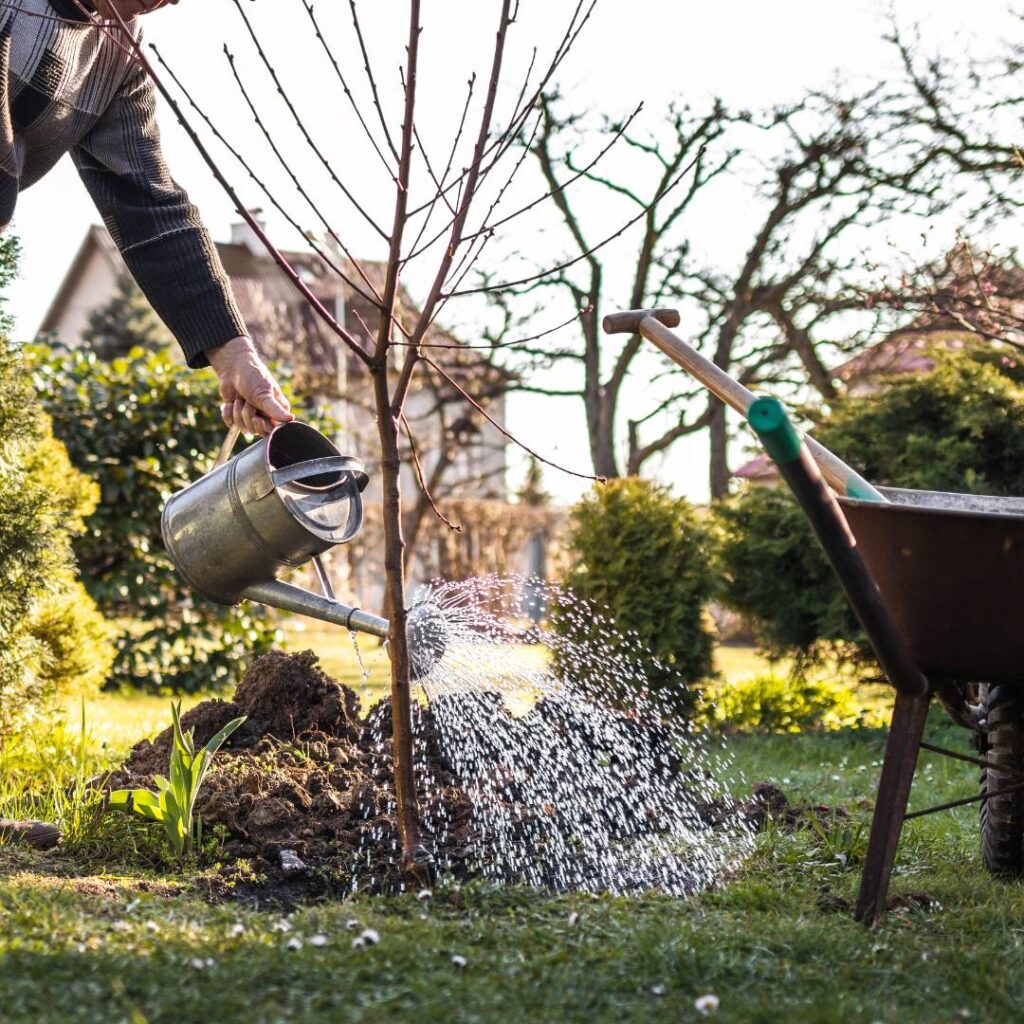
You can protect your plants from the worst damage by following these methods, but it’s still possible to have a few that turn yellow or fall over. Even so, we suggest waiting to replace them right away, since many will be fine come springtime. Once the coldest temperatures are over, take stock of your plants & cut back all the dead visible dead growth. This will encourage them to bounce back for the warm season. This “fall over” effect is especially common among perennial favorites like Ligularia, Hosta, Ginger, and some cold season annuals. By adding some of these tips to your winter gardening playbook, you can set your plants up for success when spring rolls around again.
Relocating potted plants is simple enough, but what about your in-ground plants? First, you’ll want to categorize the parts of your garden that need the most attention:
Evergreens and deciduous plants face almost no serious issues in Louisiana’s mild winters, but you’ll want to cover some evergreen shrubs for aesthetic reasons. Camellia Sasanquas are about to bloom profusely if they haven’t already. The leaves and shrub itself may stay healthy, but your flower buds will probably fall off before blooming if there is a freeze.
If you want to maintain the look of winter-blooming shrubs, cover them entirely with a frost cloth until temperatures warm up.

If you still have annuals from the previous warm season, they’ll almost certainly die unless they are replaced with cold-loving flowers like Snapdragons, Pansies, Violas and Dianthus. Cold season annuals only need covers for real freezes, but most will likely bounce-back quickly even without protection.
Perennials, on the other hand, can be a bit of a gamble. Temperatures in the low 40s may cause aesthetic damage without killing the plant. However, freezes of 32 degrees and lower will likely cause a loss if you don’t take precautions. We recommend watering perennials heavily 24 hours before a real freeze. It may sound counterintuitive, but soil that is thoroughly watered stays warmer than soil that is dry. Since we’re still dealing with droughts, this is especially important to prevent total freezing of your perennials.
When watering is paired with generous coverage from a frost cloth, you’ll boost your chances of success!

(A little lagniappe: This extra watering is useful for just about all of the plants, shrubs, trees, and turf-grass in your landscape.)
You can protect your plants from the worst damage by following these methods, but it’s still possible to have a few that turn yellow or fall over. Even so, we suggest waiting to replace them right away, since many will be fine come springtime. Once the coldest temperatures are over, take stock of your plants & cut back all the dead visible dead growth. This will encourage them to bounce back for the warm season. This “fall over” effect is especially common among perennial favorites like Ligularia, Hosta, Ginger, and some cold season annuals. By adding some of these tips to your winter gardening playbook, you can set your plants up for success when spring rolls around again.
For us in Louisiana, gardens may require a little extra maintenance, but our mild winters let us continue to grow and spend time outdoors when so many others are shoveling snow. We wouldn’t trade that for the world!
Freeze Protection Class: Full Video
Want to learn more about freeze protection? Our very own Austin Heltzel recently hosted an entire class with tips he’s learned over years of landscape design and maintenance work. Click below to be brought straight to our YouTube channel!