
Controlling Ants in Louisiana Gardens: A Year-Round Pest Challenge
Louisiana’s temperate climate and extended growing season is truly a blessing for us gardeners: We get to enjoy more blooms, more fruits & veggies, and more wildlife activity than many of our friends up north.
Despite all those benefits, I’d be lying if I said I’m not jealous at the lack of Fire Ants! Come rain or shine, these pesky bugs are relentless in their pursuit to colonize your lawn.
Let’s take a look at the different kinds of ants in Louisiana, the problems they cause, and products to take care of them!

Identifying Ants in Louisiana
When consulting customers with ants in the yard, I like to categorize the insects based on some key factors:
Nesting Habits
Different species have different needs for their nests.
- Mound Builders
These create large, visible mounds of soil. Fire ants are a great example, preferring sunny locations like yards and plant beds. - Wall / Wood Nesting Ants
Most notably Carpenters, but other common species like Argentine and Pharaoh love decaying wood and damp places around the home. - Ground Nesting Ants
If you’ve ever wondered where all the ants on your carport are coming from, it’s very likely underground! Vast, cavernous nests can exist beneath pavement, structures, or a piece of wood left in the yard too long.

When you see ants, note the location of the insect and try to find the nest.
Behavior
A large majority of the ants we encounter as home-owners are considered “forager” ants. Most are in search of food and resources to bring back to their central nests (Fire ants, Sugar ants, Carpenter ants, etc.).
These ants can easily smell open food on counters or in pet bowls, but crumbs, spilled drinks, pretty much any organic substance can attract them.
Besides proactive ant bait like ‘Come & Get it’, a cleanly house is the best way to avoid an infestation. Clean pet bowls often, sanitize after cooking to stop foraging ants before they enter the home.

Invasive vs Native
I differentiate invasive from native because invasive species are able to spread faster and face little competition. Any who has dealt with the imported fire ant knows how quickly one mound turns into 5 before the weekend.
Other notable invasives include the Argentine and Pharoah ants, both of which outcompete native species and can rapidly spread through entire building complexes.
The speed of colonization leads me to recommend immediate action and prevention for the rest of the season, where as I wouldn’t be so alarmist with native ants.
Did you know?
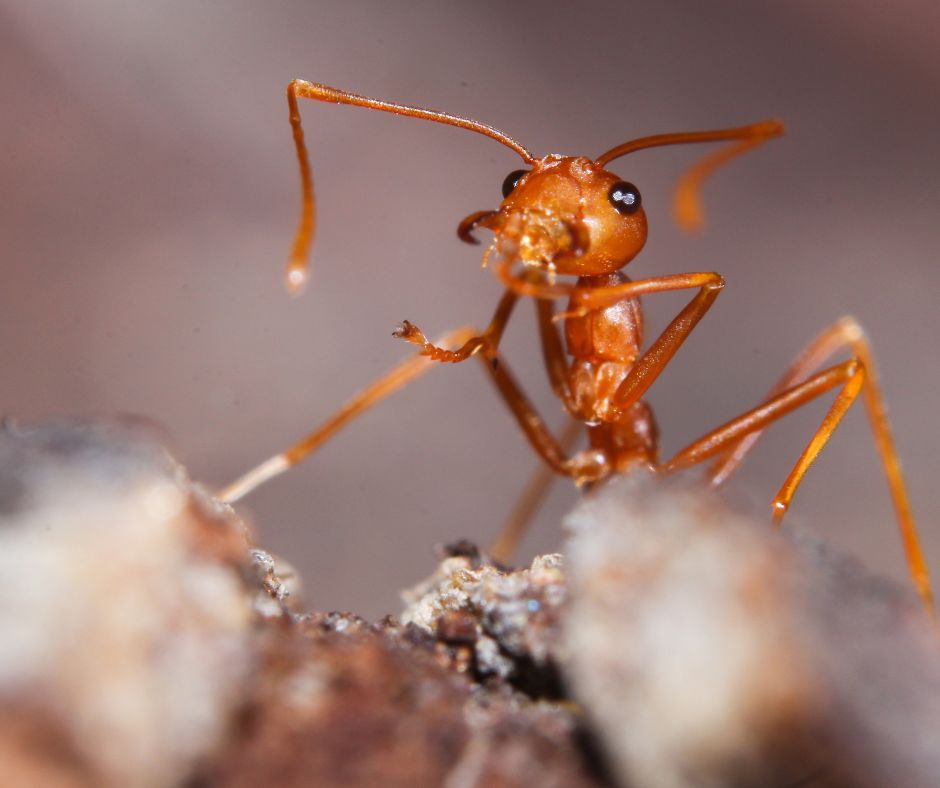
Imported Red Fire Ants (Solenopsis invicta) first arrived in the United States about 100 years ago in the port of Mobile, Alabama… Go figure!
These Tiny Bugs Cause Big Problems!
It’s not just an unsightly lawn or painful string; Ants are responsible for billions of dollars per year in damages across the united states.
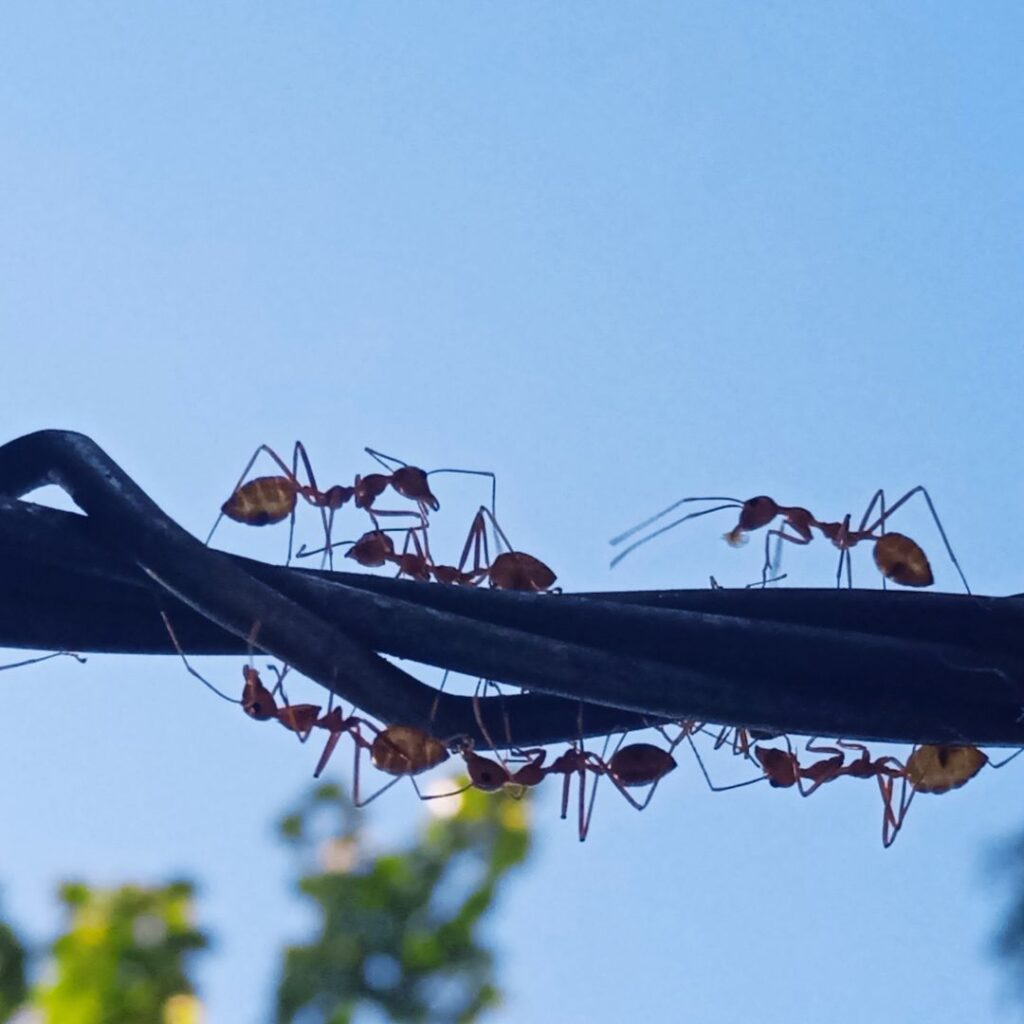
When foraging near electrical boxes, HVAC units, and transformers, ants are seemingly entranced by the faint electrical signals. Some species will just crowd the wiring, others like the imported fire ant will go so far as to bring soil into electrical boxes and chew through protective coatings.
If you see mounds near your house, especially fire ants, taking action now could prevent a HUGE headache down the road. However, most infestations bad enough to cause technical issues are in industrial or commercial settings.
Less serious problems relevant to us gardeners: Ants love getting into potted plants. The high-quality soil and insulated ecosystem is the perfect habitat for especially large ant colonies. While it won’t hurt the plant’s health, it will make caring for that plant a lot less fun if you’re fighting ants along the way!
Ant Control Products
Louisiana Nursery stocks two types of ant control products:
Poison Powder & Ant Bait
Contact Powder
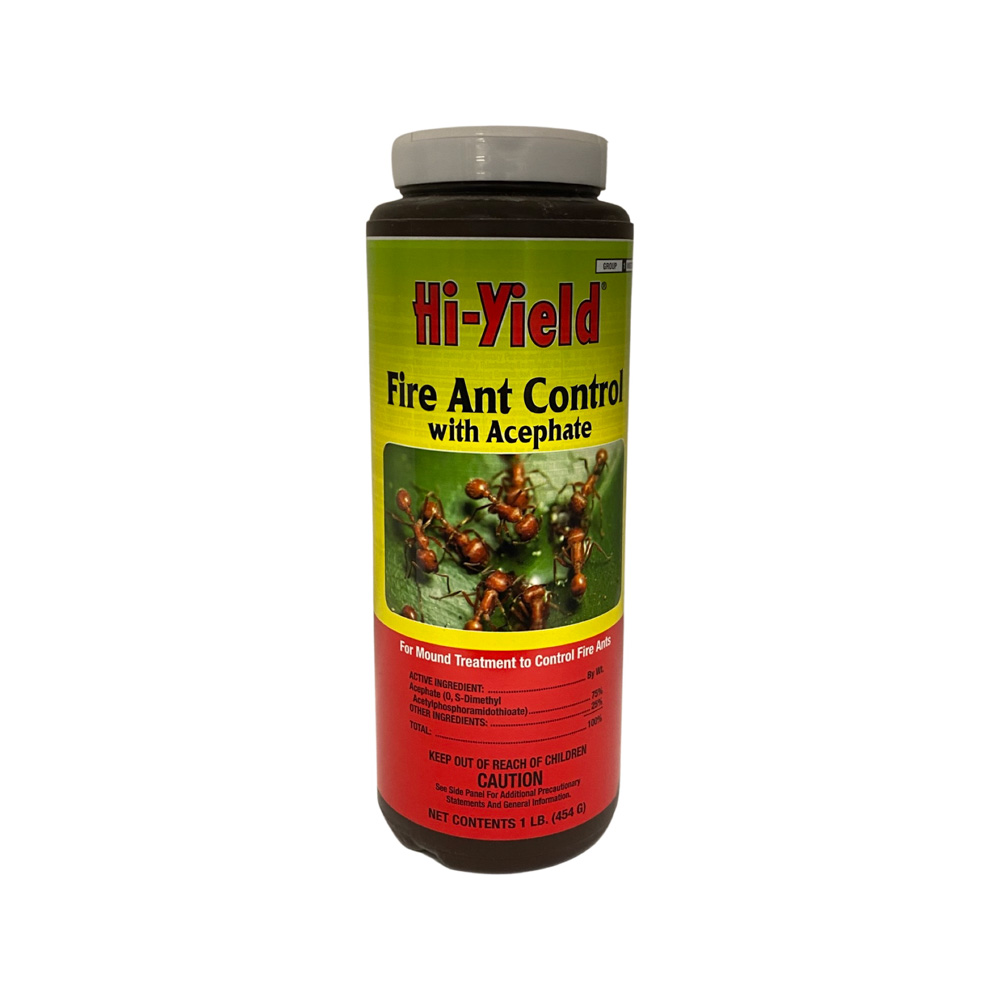
Hi-Yield’s Fire Ant Control with Acephate is a white powdery mix that comes in a cylindrical plastic container. The defining feature of this product is its fast-acting nature, with the powder killing ants almost instantaneously. It is effective in killing the entire ant population of the mound and only requires a small amount to do so, making it an excellent option for those who need a quick and easy solution. The suggested application for this product is to spread the powder around the edge of the mound and some on the peak of the mound.
One thing to keep in mind when using Hi-Yield’s Fire Ant Control with Acephate is that it is a chemical pesticide and must be handled with care. It is recommended to use gloves and wash hands thoroughly after exposure. This product should not be used in areas where children or pets are likely to come into contact with it.
Ant Bait
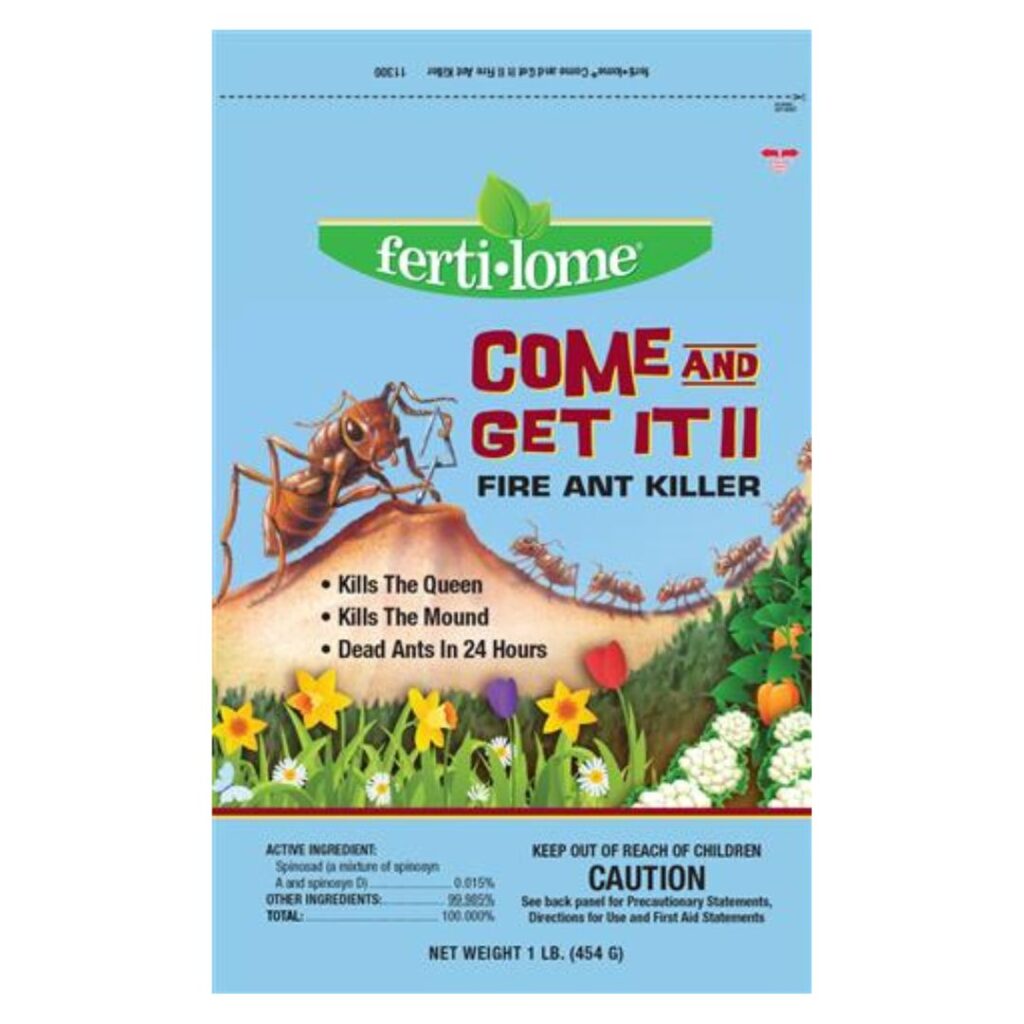
Fertilome’s ‘Come and Get It II’ Fire Ant Killer is a formula that can be used both on active mounds and as a preventative product, broadcasted around the lawn and perimeter of the home.
Ant baits work by disguising the insecticidal granules as food to be brought into the nest. When applying directly to a mound, sprinkle the prescribed amount around the base and avoid disturbing the nest. After application, the food has usually began circulating the colony after 24 hours. You can expect a total collapse of the colony – including the queen – within a week.
For preventative broadcast, spread 1/3 – 2/3 of a cup per 1,000 sqft. Fertilome suggests applying when no rainfall is predicted for the next 48 hours, as well as waiting at least a day before & after cutting grass.
Similar to the Hi-Yield product, Fertilome’s Come and Get It Fire Ant Killer must be handled with care. It is recommended to use gloves and wash hands thoroughly after exposure. It should not be used in areas where children or pets are likely to come into contact with it.
In terms of effectiveness, both products are proven for controlling fire ants. However, each has its own strengths and use cases. Hi-Yield’s Fire Ant Control with Acephate is an excellent option for those who need a quick and easy solution, especially for last-minute checks around the yard before having company over. Fertilome’s Come and Get It Fire Ant Killer is ideal for those who want to target the entire colony, including the queen, to prevent the nest from just moving elsewhere. It’s also a great addition to a regular lawn-care program, preventing new colonies from getting too close.
As always, follow the directions for use and handle the products with care to avoid any potential harm to you or the environment. With the help of these products, gardeners and homeowners can take control of their ant problem and enjoy a pest-free living space.