Guide to Fungicide & Disease Control for Louisiana Gardens
Date:
Understanding Fungal Disease and Fungicide Solutions for Louisiana Gardens
Molds, fungus, disease; whatever you want to call it, the composters of our world have a knack for causing serious problems in the garden. There’s no shortage of fungicide products we could recommend without question, but it’s in your best interest to understand these organisms and the proper treatments holistically. In this article, we’ll look at what a fungus is, how to identify different ones, and what sort of fungicidal treatment programs are available to you. Identification specifically will be particular to Louisiana, but much of this article can be applied wherever you live!
Understanding Fungi
Before diving into treatment, it’s crucial to understand the nature of fungi. At their core, fungi are a kingdom of usually multicellular, spore-producing organisms that feed on organic matter. Unlike plants, they don’t photosynthesize, relying instead on decomposing organic material for nourishment. This decomposition is vital for the ecosystem, breaking down dead plant material and recycling it back into the soil.
However, not all fungi are harmless composters. Some are pathogenic and can cause diseases in plants. When these fungi affect plants in our gardens, we need to take action.
Identifying Fungi in Louisiana Gardens
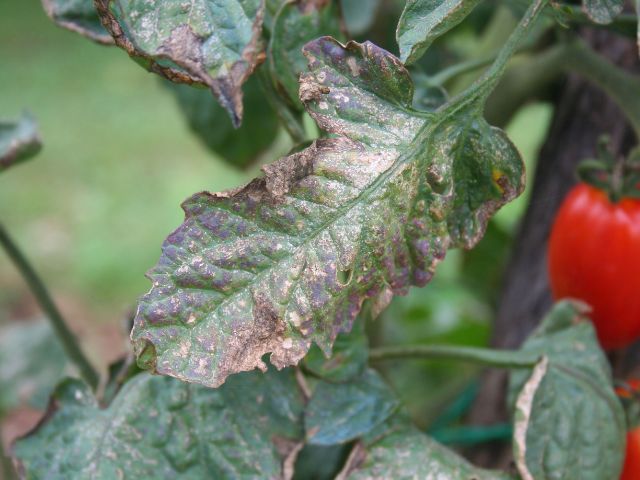
Louisiana’s humid and warm climate is the perfect breeding ground for many types of fungi. Identifying the specific type of fungal issue you’re dealing with is the first step towards an effective solution. Here’s just a few of the most common ones:
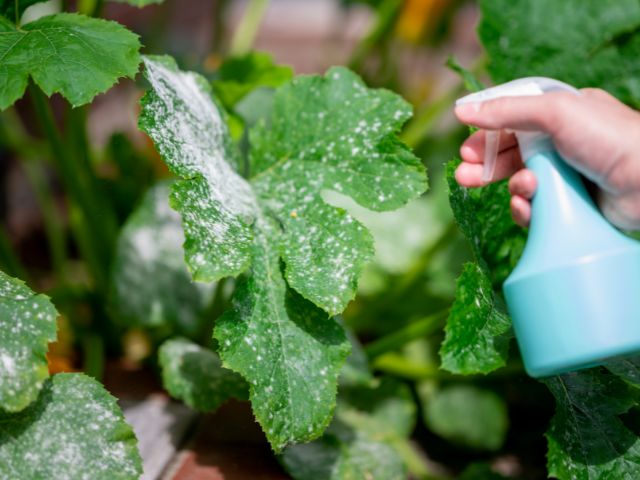
Powdery Mildew
Appears as white, powdery spots on the leaves and stems. It’s common in crowded plantings where air circulation is poor and where there are drastic differences between day and night temperatures.
Powdery Mildew
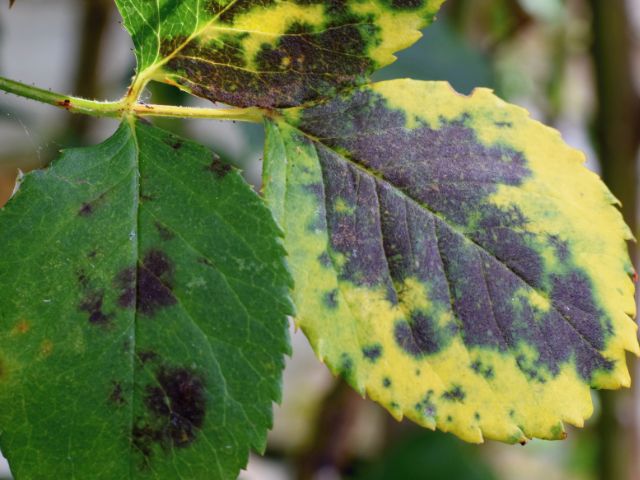
Black Spot
Mostly found on roses. They are dark black spots on the upper side of leaves, which can cause the leaves to yellow and drop off.
Black Spot
Rust
This is characterized by orange or reddish-brown pustules on the undersides of leaves. The top of the leaf might show yellow or white spots corresponding to the rust below.
Rust Disease
Downy Mildew
Presents as yellow spots on the top of leaves and a white or grayish downy growth on the undersides, especially in cool, wet conditions.
Downy Mildew
Root Rot
If your plants are wilting despite regular watering, they might be suffering from root rot. The roots will appear brown and mushy.
Root Rot
Check out our FAQ page for more disease and treatment suggestions!
Once you’ve identified the problem, the next step is to find the right treatment.
Treatment Programs
Fungicides are chemicals that either prevent the fungal spores from germinating or kill the fungus outright. They are essential tools in a gardener’s arsenal. When selecting a fungicide, it’s important to choose the right one for the specific fungus you’re dealing with and to apply it correctly.
Protective (Contact) Fungicides:
These fungicides prevent new infections. They form a barrier that stops fungal spores from germinating on the plant’s surface. Copper-based products are a time-tested remedy, with options available from both Fertilome and Captain Jack at Louisiana Nursery.
You’ll find protective fungicides in liquid form, either in concentrates, hose-adapter bottles, or ready-to-use spray bottles
Systemic (Curative) Fungicides:
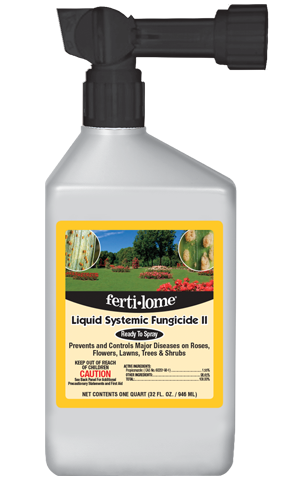
These are absorbed by the plant and work from the inside out. They can stop an infection that’s already started and prevent new ones. You’ll want to look for the word ‘systemic’ on product labeling.
Systemic fungicides come in liquid hose-adapter bottles and concentrates, as well as granular bags (granules must be watered in for activation).
Biological (Organic) Fungicides:
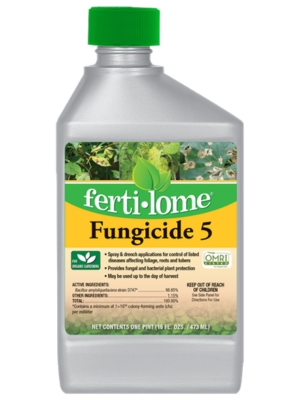
Organic gardeners finally have a safe and effective option for all their precious plants with biological fungicides! Made from living organisms, typically bacteria or fungi, that help fight off plant pathogens. This is the natural solution to all your disease problems.
Louisiana Nursery carries ‘Fungicide 5’ from Fertilome, a proven fungicidal product that has benefits far beyond getting rid of diseases.
Application Tips
Always read the label before using any fungicide. This will provide information on dosages, how often to apply, and safety precautions.
Use the right amount. Over-application can harm the plant and is a waste of product. Under-application may not effectively control the fungus.
Wear protective clothing, including gloves and a mask, when applying fungicides.
Rotate fungicides to prevent fungi from building resistance. If you’re treating a persistent problem, switch between different types of fungicides every few weeks.
Holistic Approaches
While fungicides can be effective, they should be part of a broader strategy for managing fungal diseases in the garden:
Proper Planting
Ensure plants have enough space for good air circulation. This reduces the humidity around the plant, making it less conducive for fungi to thrive.
Watering
Water plants early in the day so they have time to dry before night. Wet leaves overnight can promote fungal growth. Always water at the base of the plant to keep foliage dry.
Regular Inspection
Check your plants regularly for signs of disease. The sooner you spot a problem, the easier it is to manage.
Cleanliness
Clean up fallen leaves and debris which can be a breeding ground for fungi. Also, disinfect your gardening tools, especially if you’ve been working with infected plants.
Fungal diseases can be a challenge for any gardener, especially in areas like Louisiana with its warm, humid climate. However, with the right knowledge and a holistic approach, these challenges can be managed. By understanding the fungi you’re dealing with, choosing the right treatments, and incorporating preventive measures, you can ensure a vibrant and healthy garden.
Remember, every garden is unique, and what works for one might not work for another. Experiment, observe, and adjust your approach as needed. Happy gardening!