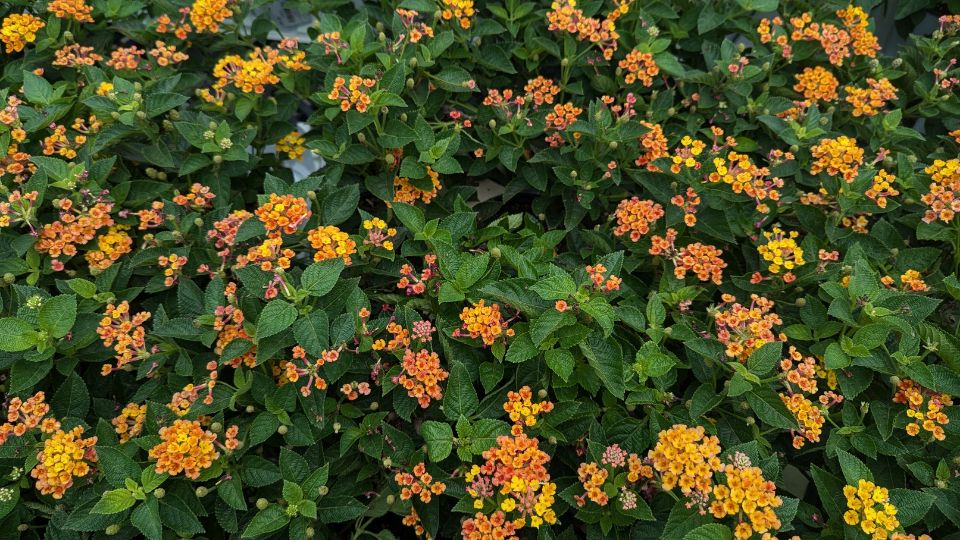
If you’re looking for a plant that can handle our Louisiana heat and humidity like a champ, while also bringing a riot of color and attracting all sorts of beneficial critters to your yard, then look no further than lantana. I’ve been helping folks pick out plants here at the center for years, and let me tell you, lantana is a consistent favorite for good reason. It’s just plain tough and beautiful!
More Than Just Pretty: The Many Uses of Lantana
Now, when you first see lantana with its clusters of tiny, brightly colored flowers, you might just think “ornamental.” And you’d be right – it’s fantastic for adding a pop of color to flower beds, borders, and containers. But this plant is more versatile than you might think!
Ornamental Powerhouse:
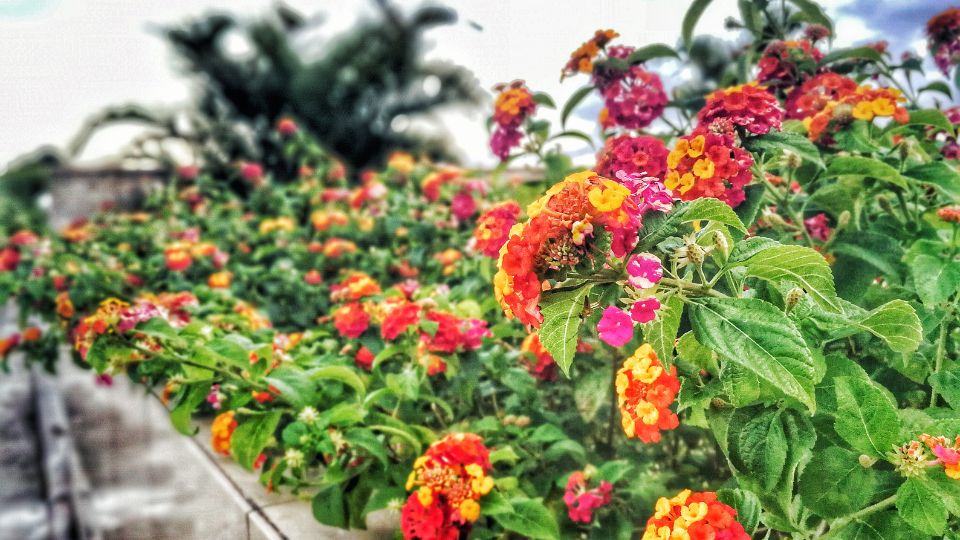
- Beds and Borders: The vibrant blooms, which often change color as they mature, create a dazzling display that lasts for ages, from spring all the way through our long, warm fall.
- Containers: Lantana thrives in pots and hanging baskets, adding a splash of cheer to patios, porches, and balconies. The trailing varieties are especially gorgeous spilling over the edges of containers.
- Groundcover: Some of the lower-growing, spreading varieties make excellent groundcovers, helping to suppress weeds and adding continuous color to larger areas.
A Treat for Wildlife
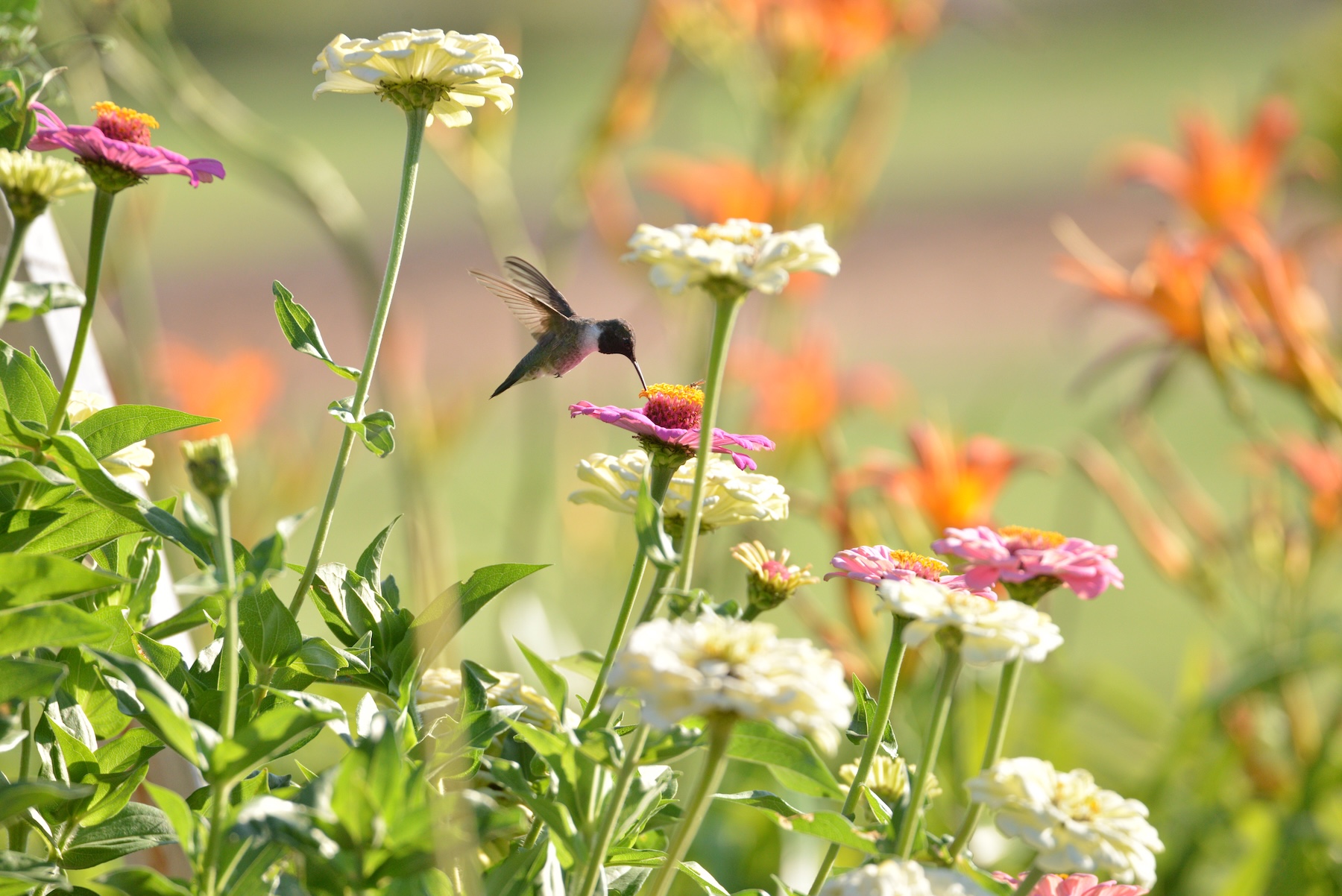
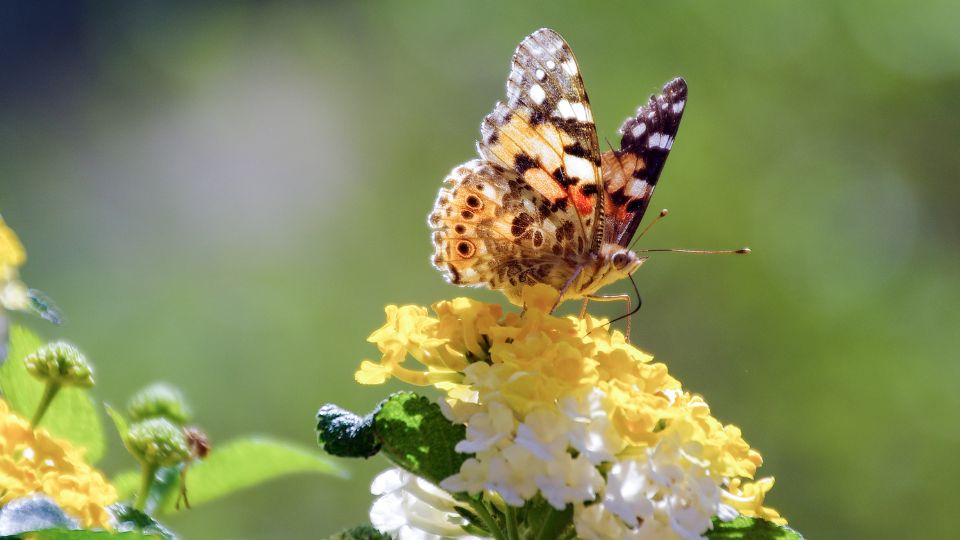
- Pollinator Paradise: This is where lantana really shines! Butterflies, bees, and even hummingbirds are absolutely drawn to those nectar-rich flowers. Planting lantana is a fantastic way to support these important pollinators in your garden. I’ve seen swarms of butterflies practically dancing around a big lantana bush on a sunny afternoon!
- Edible Berries (Use Caution!): Now, here’s a little something you might not know. Once the flowers fade, lantana produces small, round berries. However, it’s crucial to know that these berries are toxic to humans and most pets if ingested when unripe (green). The ripe, dark purple or black berries of some species are reportedly edible when fully ripe, but it’s essential to be absolutely certain of the species and ripeness before even considering consumption, and even then, only in very small quantities. Due to the risk, it’s generally best to consider the berries primarily as a food source for birds, who are not affected by the toxins. If you have small children or pets who might be tempted to taste them, you might want to choose varieties that produce fewer berries or deadhead spent flowers regularly.
Finding the Right Fit: Lantana Growth Habits
One of the great things about lantana is that it comes in a variety of growth habits, so you can find one that suits your specific needs and garden design:
- Upright Bush Types: These are your classic lantanas, forming bushy plants that can range from one to several feet tall and wide. They’re perfect for adding structure and color to garden beds.
- Trailing or Spreading Types: These varieties have a more low-growing, spreading habit, making them ideal for groundcovers, cascading over walls, or spilling out of containers.
- Mounding Types: These offer a more compact, rounded shape, great for filling in gaps in borders or adding neatness to container arrangements.
When you’re shopping for lantana, take a look at the plant tag – it will usually specify the growth habit and mature size, helping you choose the perfect plant for your space.
Keeping Your Lantana Happy: Essential Care Tips
Lantana is generally low-maintenance, which is another reason why we love it here in Louisiana. But a little care goes a long way in keeping it thriving and blooming its best:
Sunlight: Lantana absolutely loves sunshine! For the most abundant blooms, make sure to plant it in a spot that gets at least six to eight hours of direct sunlight each day.
Soil: While lantana isn’t overly picky about soil, it does prefer well-draining soil. Heavy clay soil can sometimes lead to root rot, so amending it with some compost or other organic matter can be beneficial.
Watering: Once established, lantana is quite drought-tolerant. However, during our hot, dry summer months, it will appreciate occasional watering, especially if it’s in a container. Let the top inch or two of soil dry out between waterings. Avoid overwatering, as this can also lead to problems.
Fertilizing: Lantana isn’t a heavy feeder. In fact, too much fertilizer can sometimes lead to more foliage and fewer flowers. A light application of a balanced, slow-release fertilizer in the spring is usually sufficient. You can also give it a little boost with a bloom-boosting fertilizer a couple of times during the growing season if you feel it needs it.
Pruning: Regular deadheading (removing spent flower clusters) will encourage more blooms throughout the season. You can also prune your lantana to maintain its shape and size, usually in late winter or early spring before new growth begins. Don’t be afraid to give it a good trim if it starts to look leggy.
Pests and Diseases: Lantana is generally quite pest and disease resistant, which is another big plus! Occasionally, you might encounter issues like spider mites or whiteflies, especially during hot, dry periods. Usually, a strong spray of water from the hose can dislodge these pests. For more persistent infestations, you can use an insecticidal soap or neem oil, following the product instructions carefully. Root rot can be an issue in poorly draining soil or with overwatering, so ensuring proper drainage is key to preventing this.
So, there you have it – a little peek into the wonderful world of lantana! Whether you’re looking to attract pollinators, add a splash of long-lasting color, or just want a tough and reliable plant for your Louisiana garden, lantana is a fantastic choice. Come on down to Louisiana Nursery and check out our selection – we’d be happy to help you find the perfect lantana (or two!) for your yard. Happy gardening!