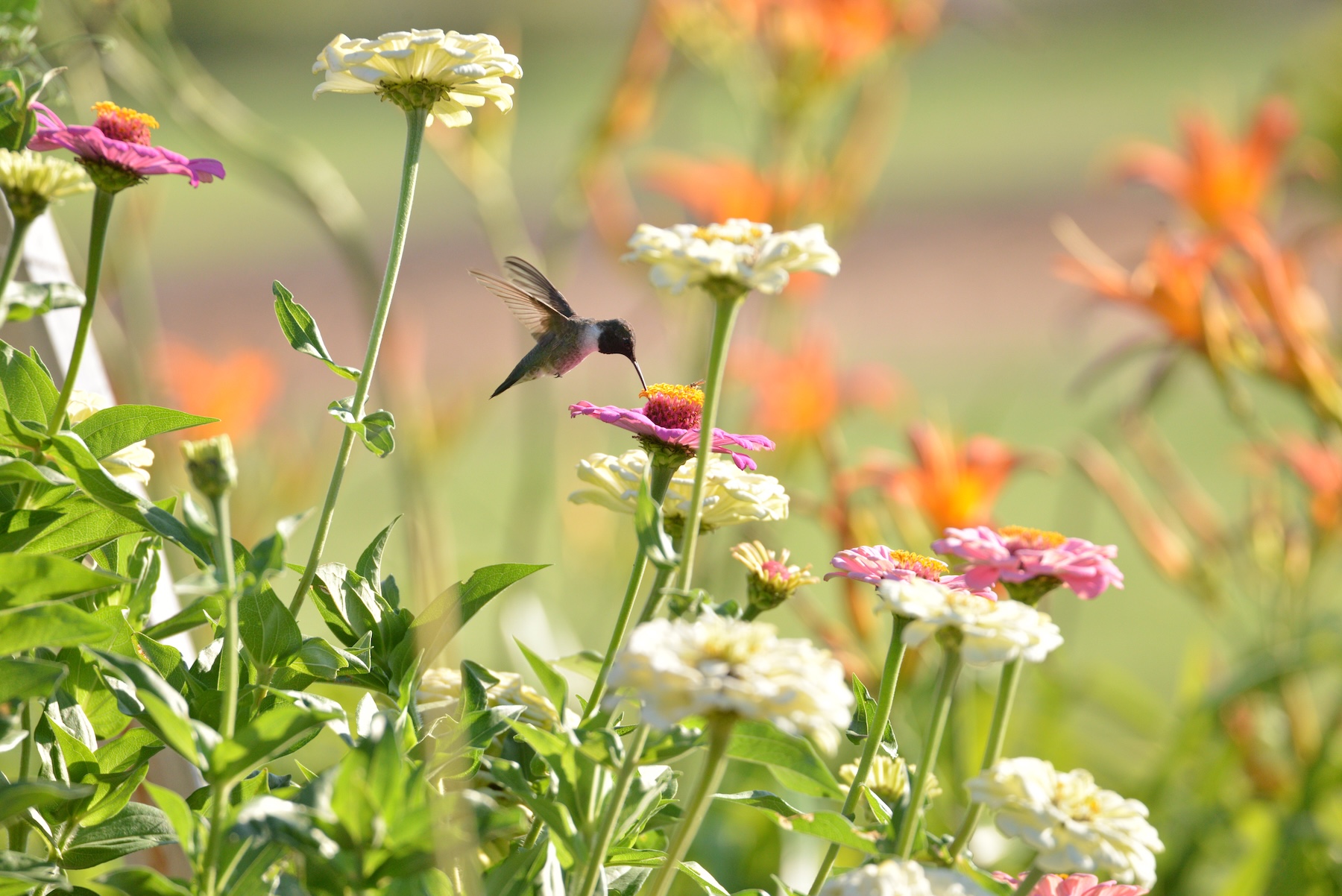
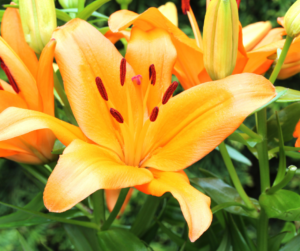
Introducing: The Daylily, a southern gardening favorite! As its botanical name, Hemerocallis spp., suggests (derived from the Greek phrase meaning “Beauty for a day”), this robust beauty stages a daily performance of blossoming blooms that steal the show, only to take their final bow and close as the sun sets. Despite each bloom’s fleeting day-long display, the enduring vigor of a mature Daylily clump ensures a lively act all season long, with up to 400 performances.
Daylilies, unassuming by nature but undoubtedly compelling, grace our gardens with their resilience and captivating color palettes, earning them the applause of proven performance year after year.
The Traits of a Daylily Starlet
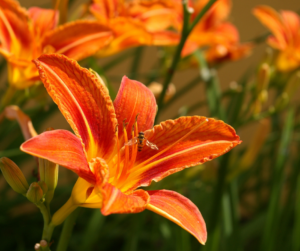
While the limelight invariably falls upon the vibrant blooms, the Daylily’s foliage merits recognition too. Standing 1-2 feet tall and wide at maturity (although dwarf varieties are available), Daylilies flaunt a stylish ensemble of short, green, fan-style foliage. Their curtain call comes in early, mid, or late season, depending on the variety. Evergreen Daylilies persist all year, while others take a winter hiatus at the first sign of frost, only to make a grand re-entrance each spring.
Caring for the Star of Your Garden
Despite their rugged toughness, Daylilies do appreciate some tender loving care. Basking in the full sun, they can tolerate mild shade and need regular watering throughout the growing season. As the summer heat cranks up, keep your Daylilies hydrated with more frequent watering. They thrive best in well-drained soil rich with organic material.
For their standout spring performances, Daylilies develop quite the appetite. Feed them with a general-purpose fertilizer like Osmocote or Growers Special for a slow-release option. Alternatively, use water-soluble fertilizers, which are absorbed immediately but require more frequent applications due to their propensity to leach into the soil faster. (Learn more about our selection of fertilizers and root-stimulator here)
Where to Spotlight Daylilies
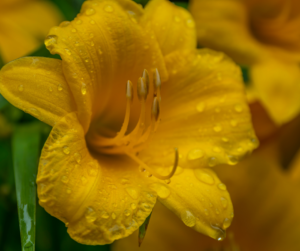
Daylilies deserve a front-row seat in any sunny garden spot. Their low maintenance, reliable nature makes them ideal gap fillers between shrubs or in landscape breaks. Container gardens too can feature Daylilies as an easy-to-grow focal point. And let’s not forget the petite dwarf varieties, making striking blooming borders and even acting as ground covers when planted en masse.
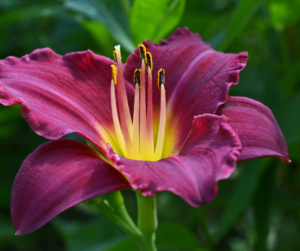
In the world of Daylilies, there’s a color for everyone. As you explore the almost endless options, don’t be surprised to find yourself smitten with a particular Daylily. After all, they’re performers that captivate, and in Southern gardens, they’re certainly an act you won’t want to miss.