How to Prep and Plant Fall Edible Garden Beds in Louisiana
Louisiana Nursery is getting stocked up on all your fall favorites, so now is the time to plan, prep, and get planting! Temperatures are still a bit higher than we’d like, but there’s only so many days in the cool season. Waiting too long could mean winter stopping your garden goals before you reach them. With a little extra attention, you’ll get a higher output and a longer season from your edibles. In this article we’ll discuss getting over the “summer-hump”, bed-prepping, sowing seeds, and our top picks for Fall edibles.
Prepping Your Beds
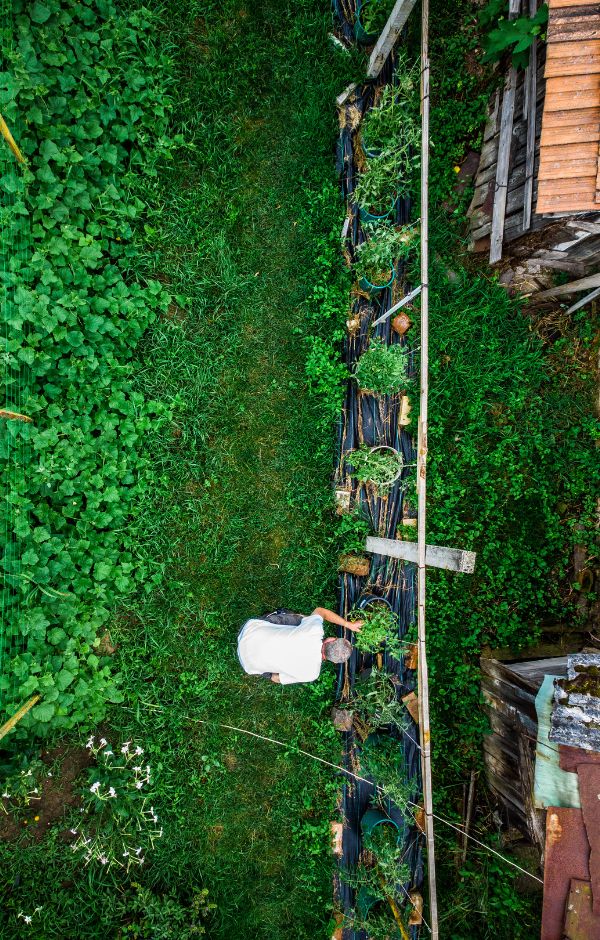
My cucumber plants had an amazing year but started slowing down in mid-august. This is a year-round food in my household, so I tend to replace them as soon as production falls from its peak. Removing your spring & summer edibles is important not just to clear space; it gives you a chance to really examine your beds and check for possible issues before they affect your fall plants.
The first step when prepping for fall is to gather as much organic material as possible and throw it in the compost pile or trash. You should also turn the soil a bit to break up any compaction that occurred over the season. Since I use open bottom garden boxes, I like to add some new soil and compost into the mix. This will help level out any lost nutrients and keep my boxes full. I would lightly turn the soil once more.
Since you’ve been following all the best practices, your fall garden prep shouldn’t be too extensive! If you’ve been slacking a bit, check your beds extensively for fungal growth, unwanted insect colonies (ants have been active this year!), and the ever-present weeds. Louisiana Nursery has chemical products to help deal with all these issues, and organic options are available for most.
Fall Seeds
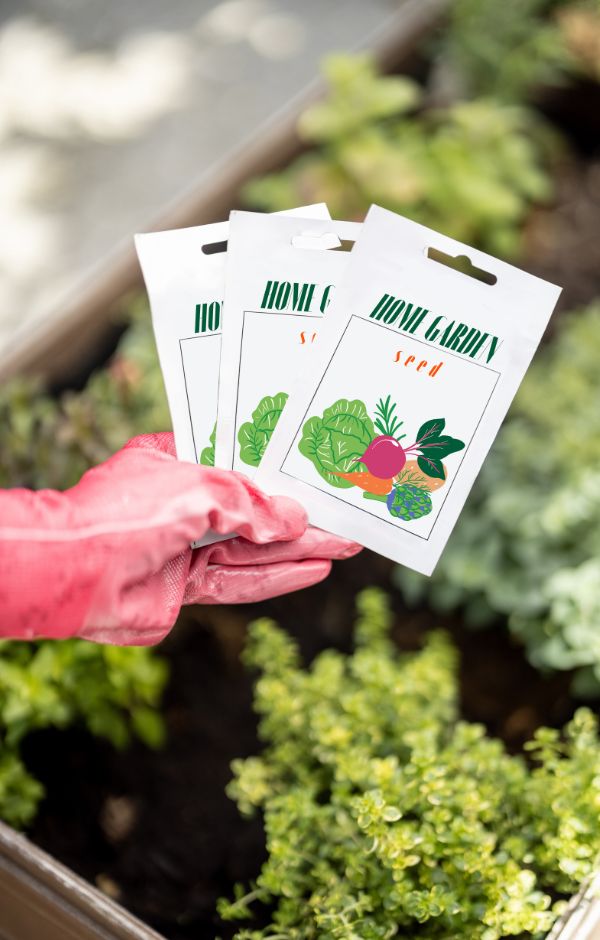
If you haven’t already, now is the time to start your cool season seed collection! Broccoli, cauliflower, lettuce, cabbage, cucumbers… there’s an endless list of options and varieties for each, and that’s just the edibles! Take your time and find the varieties you love or take a chance on some new ones when checking out the seed racks at any of our locations.
Once you’ve made your picks, you’ll want to get right on germinating and planting. Whether you germinate them in seed starter kits or straight into the ground, moisture in the soil is paramount. Try using cool water from the sink, or letting the hose run until hot water has been flushed for the best results. I always suggest these watering practices, but the higher temperatures later in the season make it that much more important.
After years of testing different soils and methods, I’ve switched exclusively to seed-starter mixes in conjunction with seed-starter kits. With options from both Black Gold and Foxfarm, seed starter soils always induce faster sprouting and more voluminous growth than anything else (go figure)! As for the kits, I won’t knock the traditional in-ground methods. However, the kits give me more control over the process and come with labels to help keep my projects organized. I also love the ease of use, being able to transplant the biodegradable pots directly into the ground or something more permanent. After a couple weeks the roots will have grown all the way through the pots, giving them additional nutrients and organic matter.
Our Edible Fall Favorites
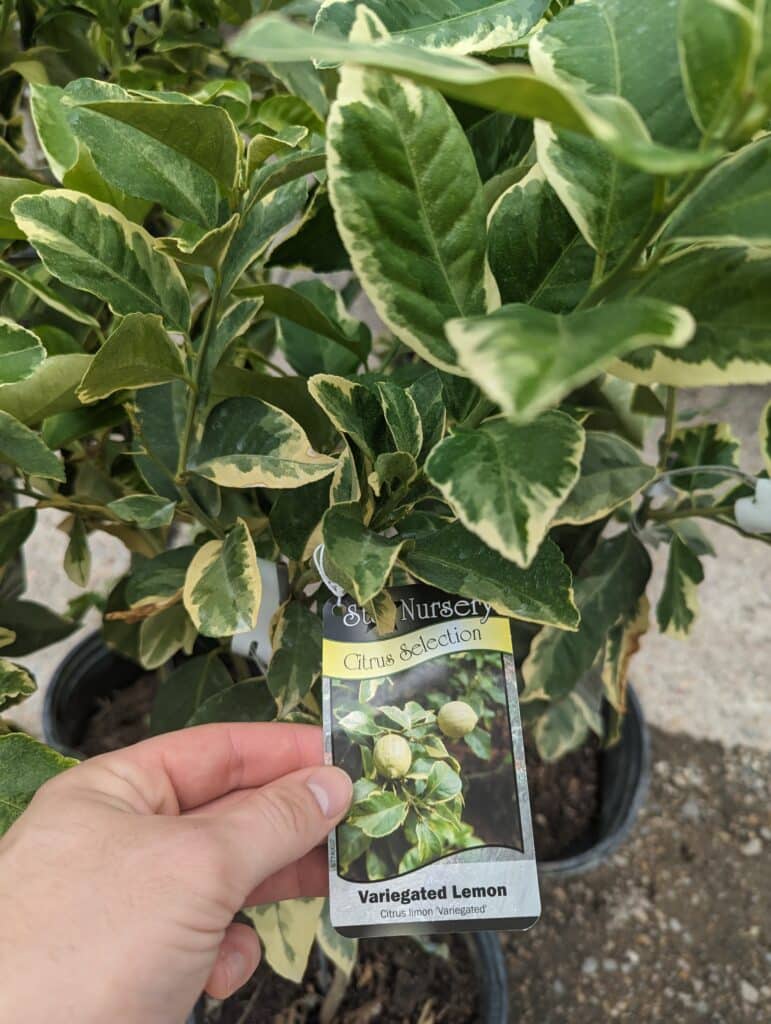
Before we talk about any of the cool season classics, we should mention that fruit trees are in stock, and in season. Fall is the time for planting, and we’ve got your favorite varieties of citrus, plums, figs, and anything else you can think of. I’ll be planting new vegetable varieties I haven’t tried yet, but I’m almost more excited to drop some citrus trees that will last me a lifetime! Now, lets get into our edible fall favorites:
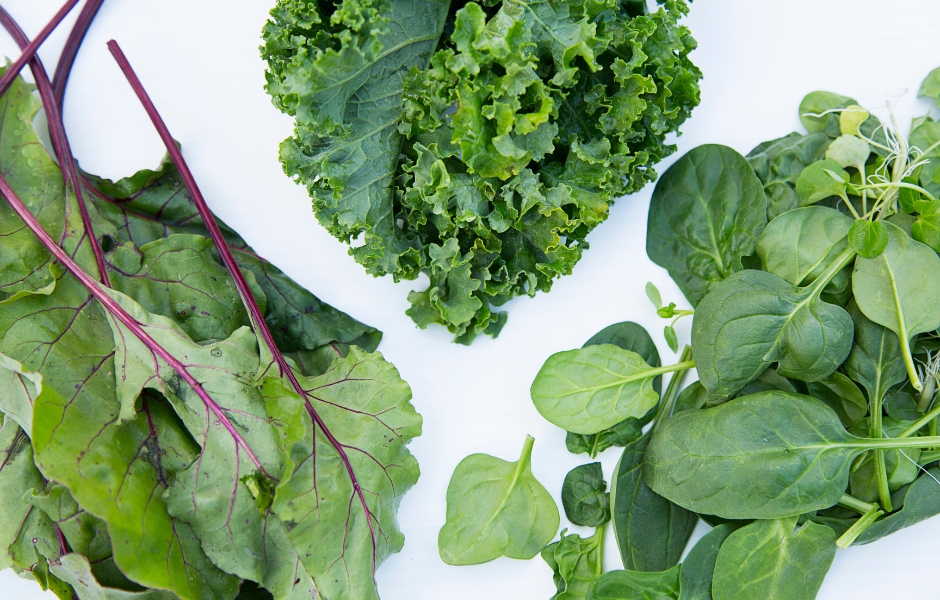
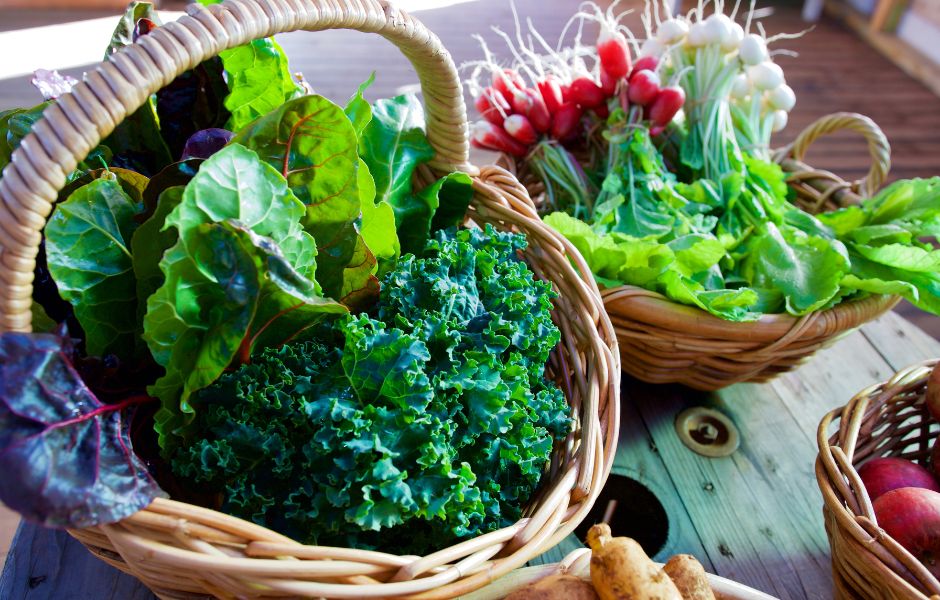
Though any seed packet or starter we sell can grow in Louisiana, there are certainly easier ones than others. You’ve probably heard that leafy greens are the most productive and rooting vegetables can be hit or miss. I’ve had success with everything from lettuce to onions, but I spent a lot less time stressing about the lettuce! Leafy greens in Louisiana tend to prefer morning sun and afternoon shade, with direct light for 4-5 hours being plenty to produce. Some other great leafy green options would be cabbage, broccoli, and spinach. Like I mentioned before, I’ll also replace my spring cucumbers with varieties tailored to the fall.
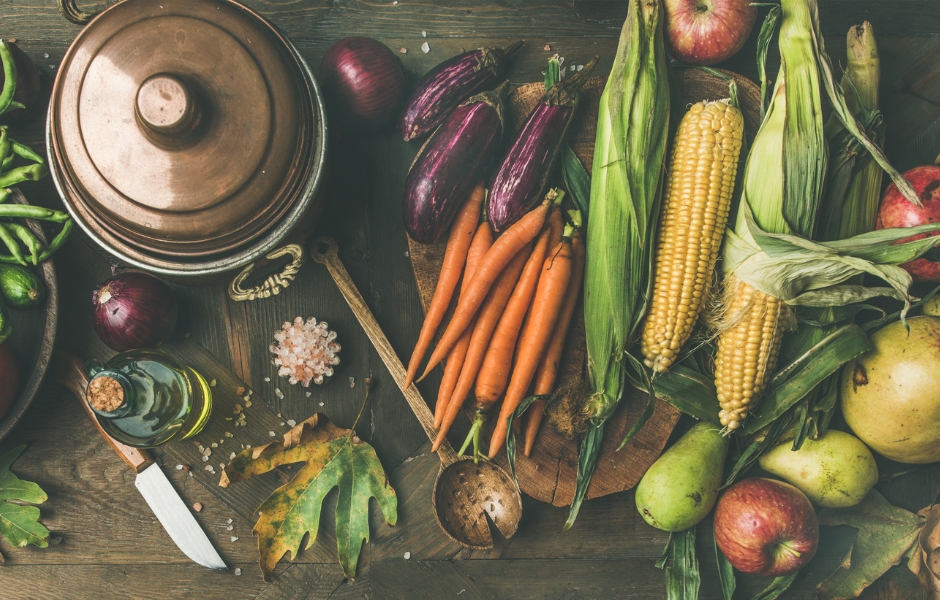
Rooting vegetables will be partial to more hours in the sun, some of them needing 7-8 hours a day. The sunlight isn’t usually a problem, though. For me, it was keeping the right amount of moisture in the soil. One year I attempted onions and corn from seed. I was able to get most all my seeds to germinate without issue. When I transplanted them to the garden boxes, however, I drowned almost all the corn sprouts. I adjusted my watering to compensate, and ended up letting my onions dry out before they became productive. It took some trial and error, but I was eventually able to get a few productive onions the following year. I like to excuse this previous failure with the fact that it rains so, so much in Louisiana’s fall. Unpredictable rains can throw off what feels like the perfect watering rhythm.
But – like I said before – anything we sell is possible. Had I done more research or focused my attention on a single type of plant, I likely would’ve had less issues. One of our more experienced staff members put it great when I questioned her about onion growing tips; “I plant onions because I really love gardening, I plant lettuce because I am going to eat homegrown lettuce”.
Our advice on the matter: Try anything! If you’re not so confident in your gardening skills, you may think sticking to seeds for the leafy greens and starts for the rooting vegetables is the best way to go. I believe the opposite is true. A lettuce start is usually $3-$4, but you’ll be almost guaranteed to produce if you give it the right level of sunlight. Seed packets, on the other hand, are $2-$3 and give you plenty of chances to screw up. Learn from your and other’s mistakes. Buy a seed kit and try different plants in different conditions. Go into it headfirst. The goal shouldn’t be “I’m not buying a single onion from the grocery store this year”. You’ll be setting yourself up for disappointment, souring on this amazing hobby as the years go by. If you instead take each season as an opportunity to learn and to grow as a gardener, you’ll never fail!