Just want the highlights? See the ‘Tomatoes & Vegetables’ tab on our FAQ page
Tomatoes can be a challenging plant to care for, especially if you don’t have a lot of experience. There are numerous sizes, consistencies, tastes, tolerances, and disease resistances among the many varieties of tomatoes.
All Louisiana Nursery offerings are built for our climate. However, you’ll still need to arm yourself with a few tips to make sure tomatoes not only survive, but thrive in your south Louisiana garden.
Where to Grow Tomatoes in Louisiana for the Best Results
Newer growers typically underestimate the amount of space needed between each tomato transplant. If planted too close together, plants are more susceptible to disease and pest infestations because they can’t dry their leaves. You’ll also be forcing them to compete for water & mineral nutrients in the soil.
The LSU Ag Department recommends 18-24 inches between the transplants, or a 3-gallon container if you choose to use a pot.
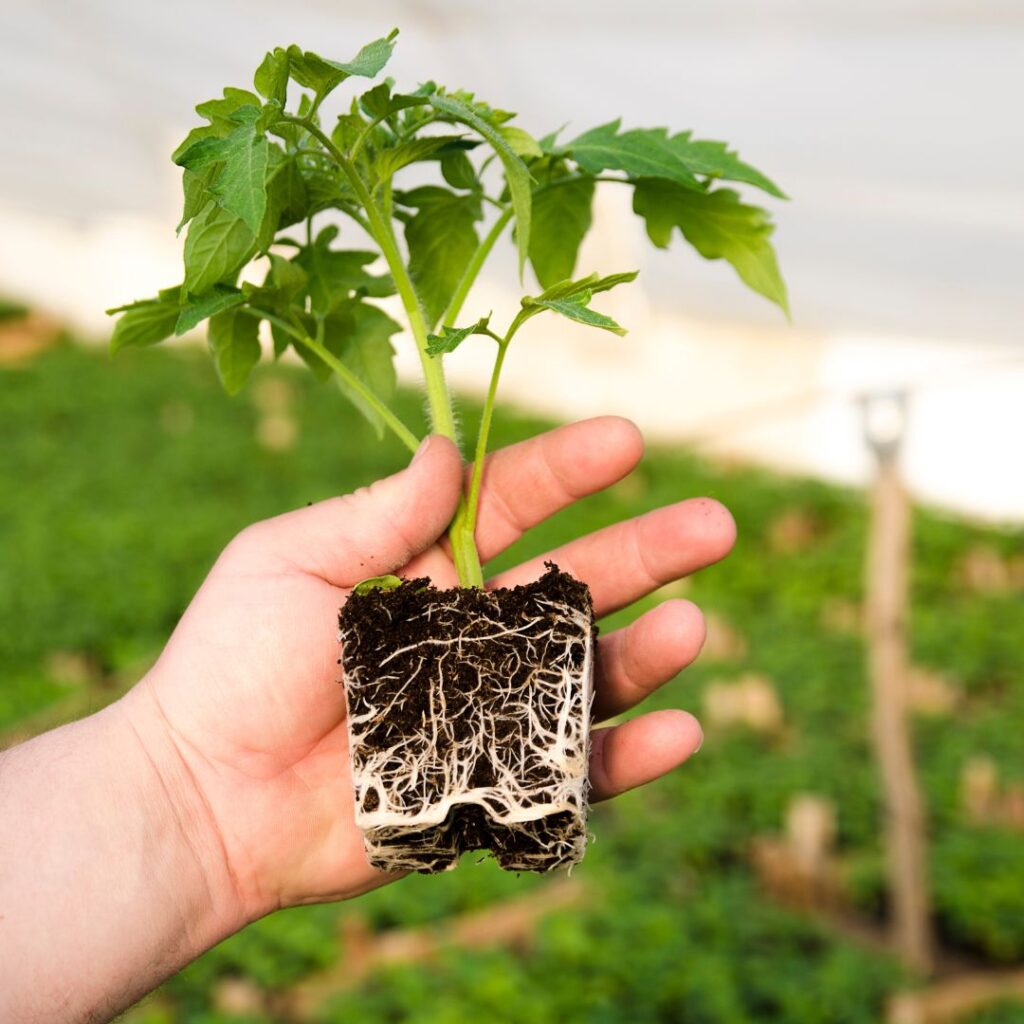
Your garden plot should receive a hefty 8 hours of direct sunlight, so plan your space ahead of time. Large tomatoes (1-gallon size or greater) can be dropped in the bed right away, but smaller transplants must be acclimated. Over the span of a week give your transplants 4 hours, slowly adding about 30-minutes to an hour of direct sun each day. This will reduce stress on the plant and help it get established more quickly.
Best Soils for Tomato Plants
We already established Tomatoes need full sun, but the soil matters just as much!
Potting Soil / Mix
Tomatoes grow best with lots of organic material and soil that drains well. To better control composition and reduce exposure to soil-borne diseases, many gardeners choose to grow tomatoes in containers. If you decide to use pots, we have many options that come pre-mixed with everything to make tomatoes thrive.
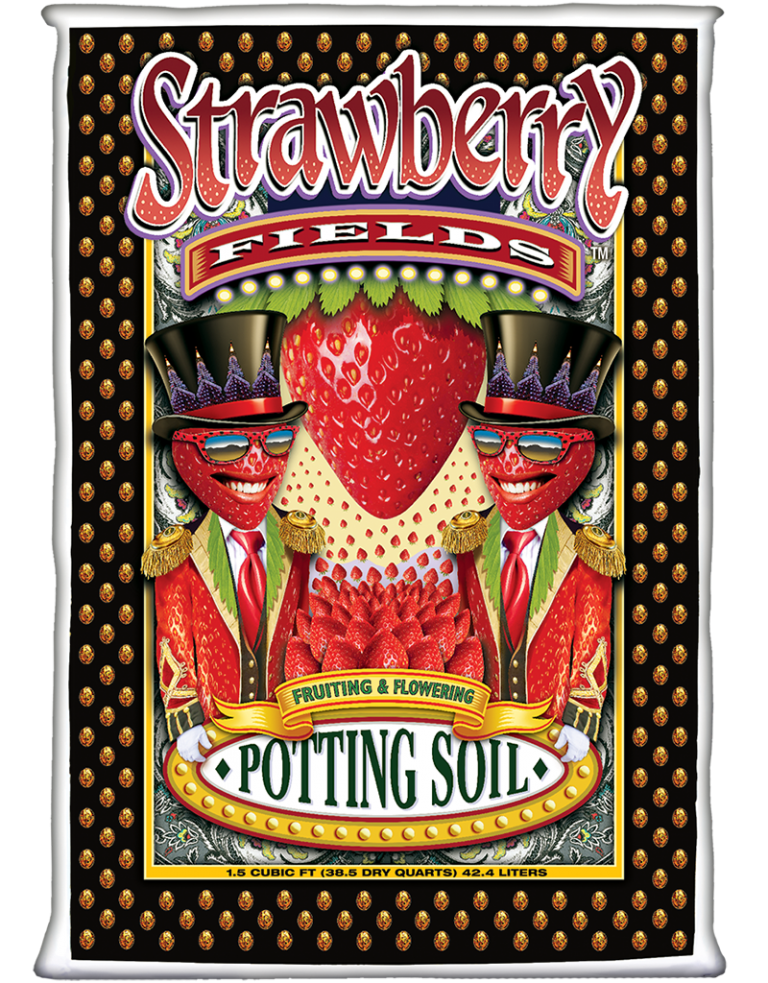
One of our (and our customer’s) favorite options for potted tomatoes is Strawberry Fields potting soil, by Foxfarm. This mix will help make harvests big enough for you, your family, and have bags leftover for the neighbors!
Organic Garden Soil
If you’re using raised beds or in-ground garden plots, you’ll want to make sure there’s plenty of organic matter, compost, soil, & fertilizer. We have great options like cow & chicken manure for additive purposes, or go pre-mixed with Organic Garden Soil by Southern Mulch, a Louisiana local company.
We’ve recently switched to this brand of garden soil after being blown away by its quality. The ratio of aged compost for nutrients & shredded bark for drainage is perfect for edible gardening. Available at all Louisiana Nursery locations now, with bulk orders at our LA-42 (Prairieville) location.
Chemical & Organic Fertilizers
Fertilizers are a real difference maker when growing anything blooming or edible. Louisiana Nursery carries all the plant foods to make your tomatoes grow stronger, taste better, and produce more fruit. Now, with a plethora of organic options to choose from!
An excellent, all-purpose plant food that contains both fast and slow-release Nitrogen. Contains necessary trace elements to aid in plant development and increase crop yield. A favorite and effective option for edible gardening.
Brand: Ferti-lome
NPK Ratio:
Granular fertilizing with essential nutrients for better growth, better flavor & bigger harvests. Provides plant food plus secondary nutrients to promote vigorously growing tomatoes & vegetables.
Brand: Ferti-lome
NPK Ratio: 7-22-8
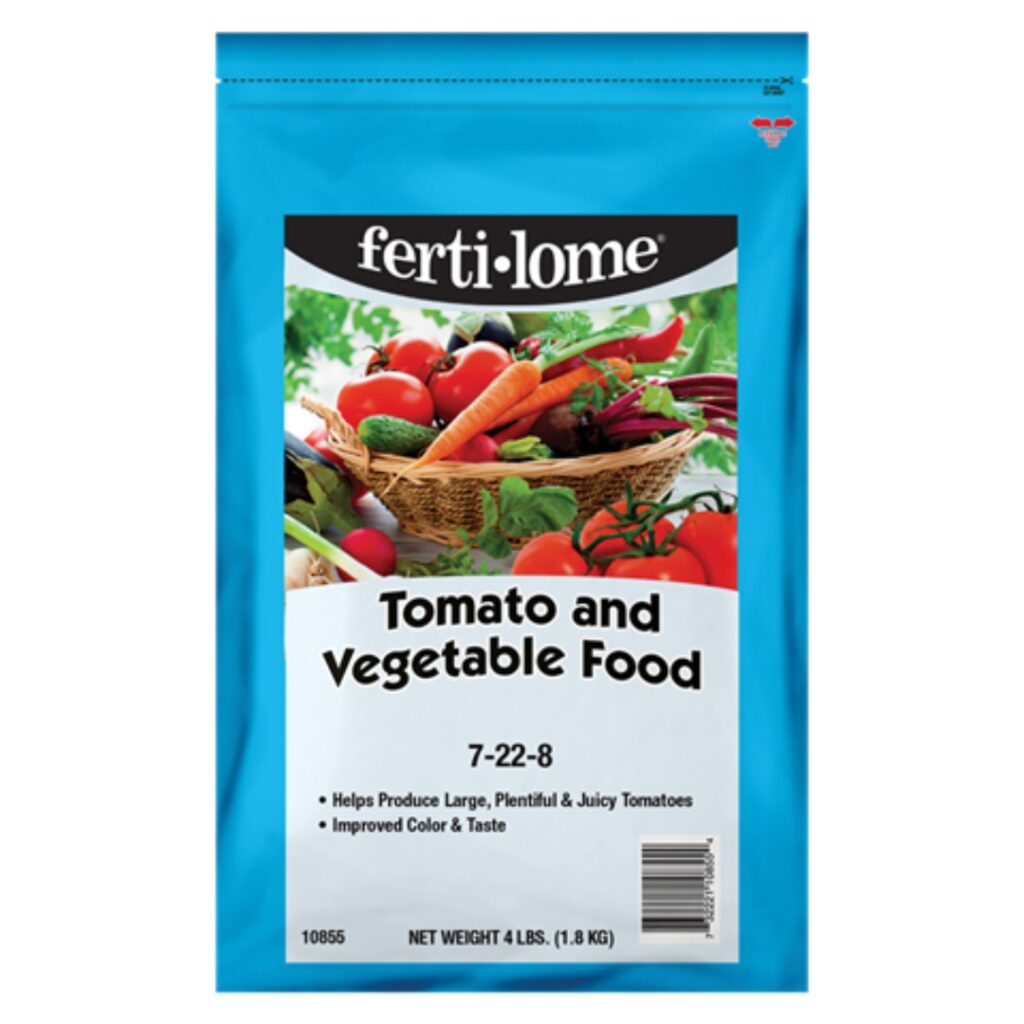
Specifically formulated for all Tomato varieties. The NPK blend supplies nutrients to help at all stages of plant growth. Also adds calcium, giving a boost to resistance against certain diseases.
Brand: Foxfarm
NPK Ratio: 5-7-3
Organic: OMRI & CDFA Certified
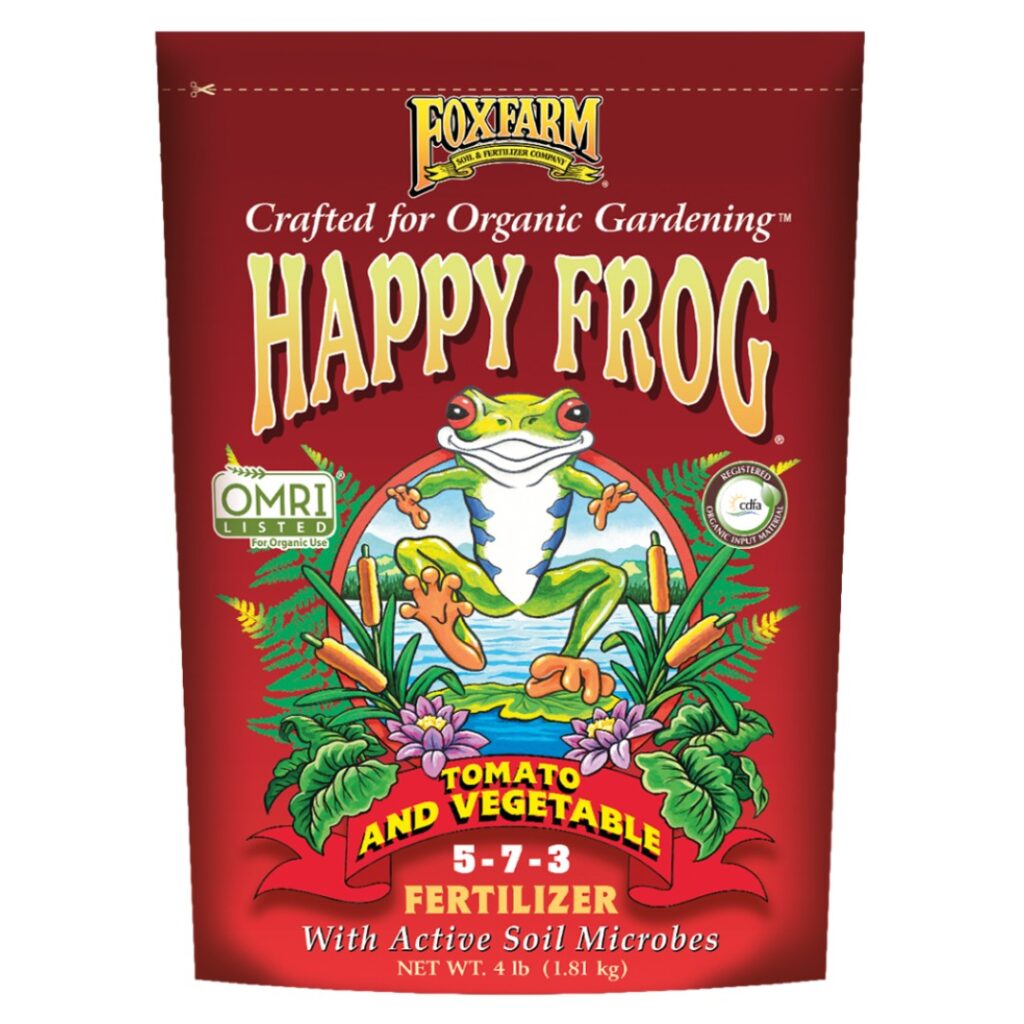
Provides the mineral nutrients necessary for better tastes, better yield, and an overall stronger plant, all without using any additives. A new favorite among our organic gardening community.
Brand: True Organic
NPK Ratio: 4-5-6
Organic: OMRI & CDFA Certified
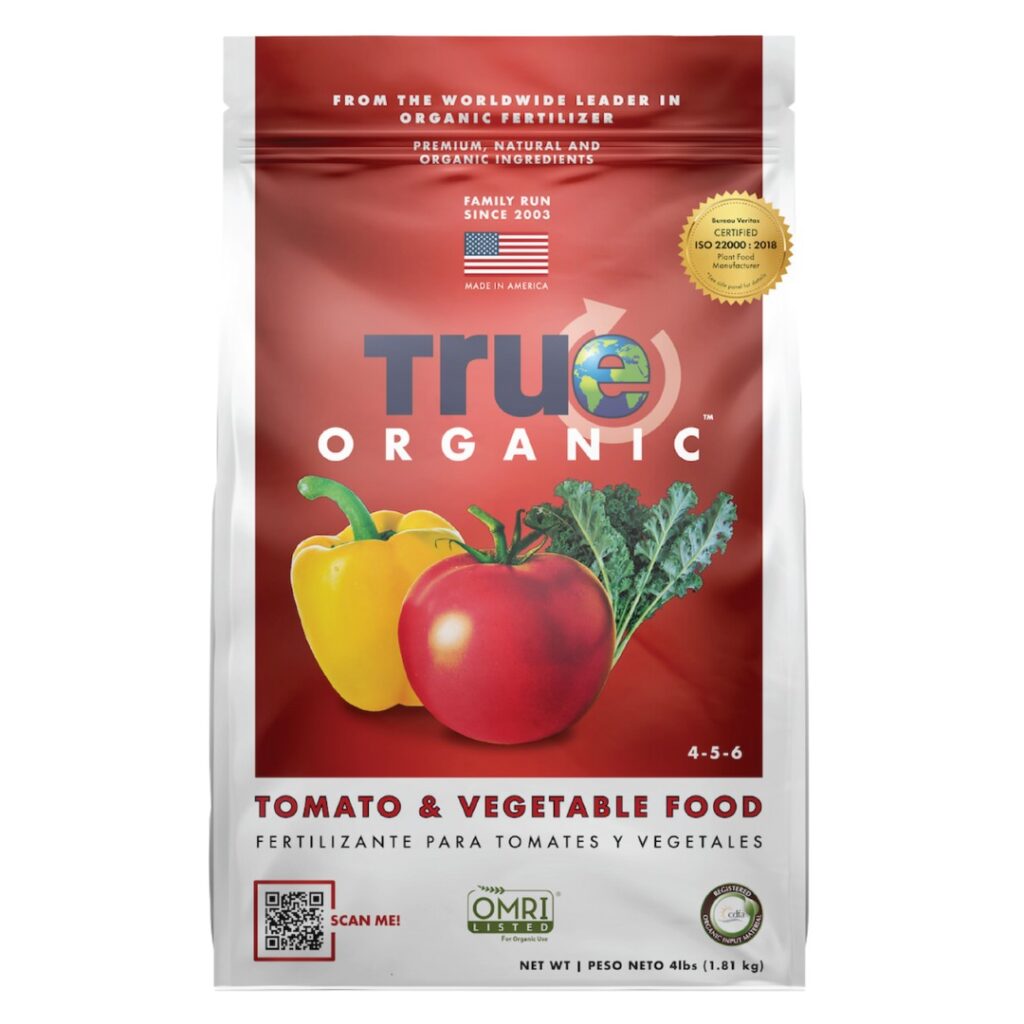
Common Disease & Fungus Issues
Tomatoes are notorious for their diseases. Rotting, spots, wilting leaves & stunted growth are all signs of fungal diseases. Preventing these issues before they occur is paramount – we’ll get there – but every gardener should be able to identify the symptoms.
Let’s take a deeper look at prominent Tomato diseases in Louisiana:
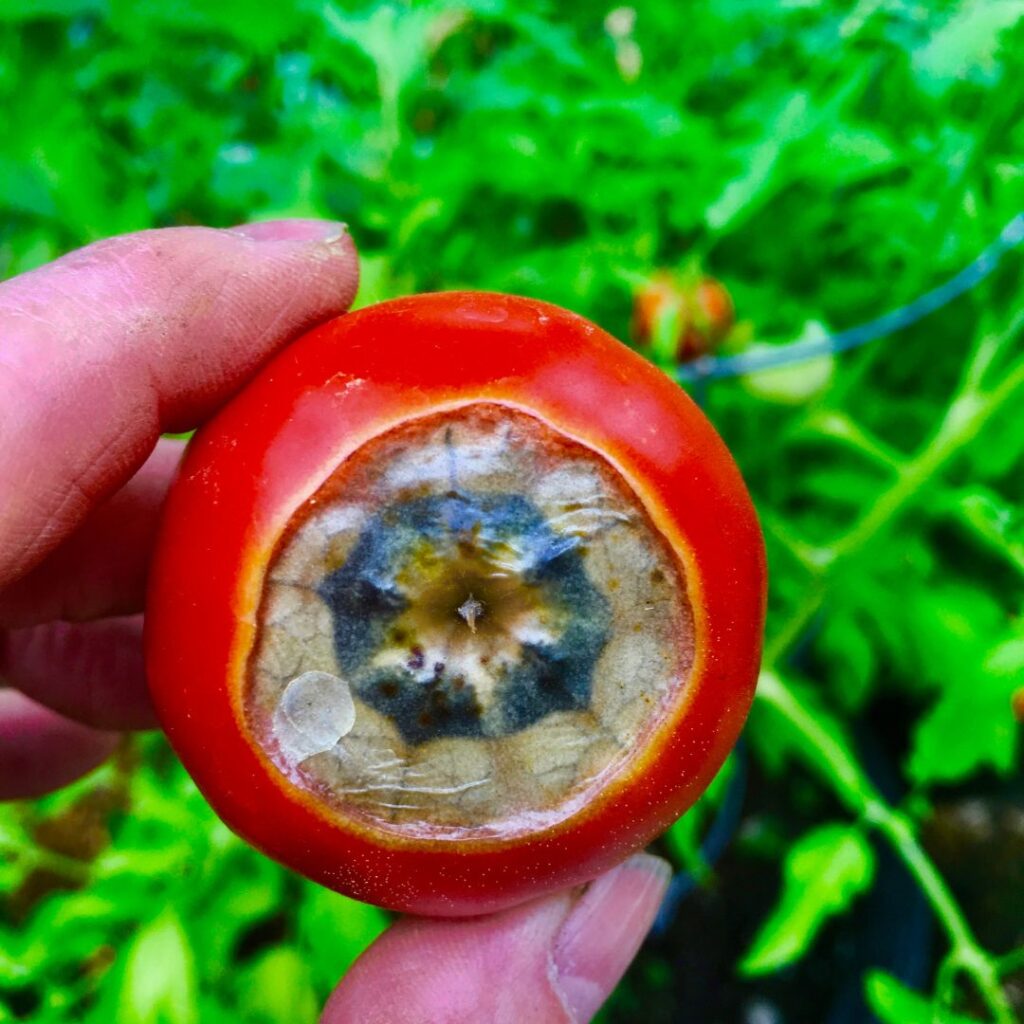
Blossom End Rot
A physiological disorder caused by an over-abundance of nitrogen or a deficiency of calcium paired with fluctuating moisture levels in the soil. Named after causing rot to appear on the blossom end of the fruit.
Affects: Lowers yield
Solution: Fungicide, proper spacing, & special attention to watering habits
Spotted Wilt
A virus that is most commonly spread by insects called “thrips”. Identified by stunted growth, molted or bronze leaves, ringspots on fruit, and plant dieback.
Affects: Lowers yield, loss of plant
Solution: Fungicide and insecticide, check flowers and buds in particular
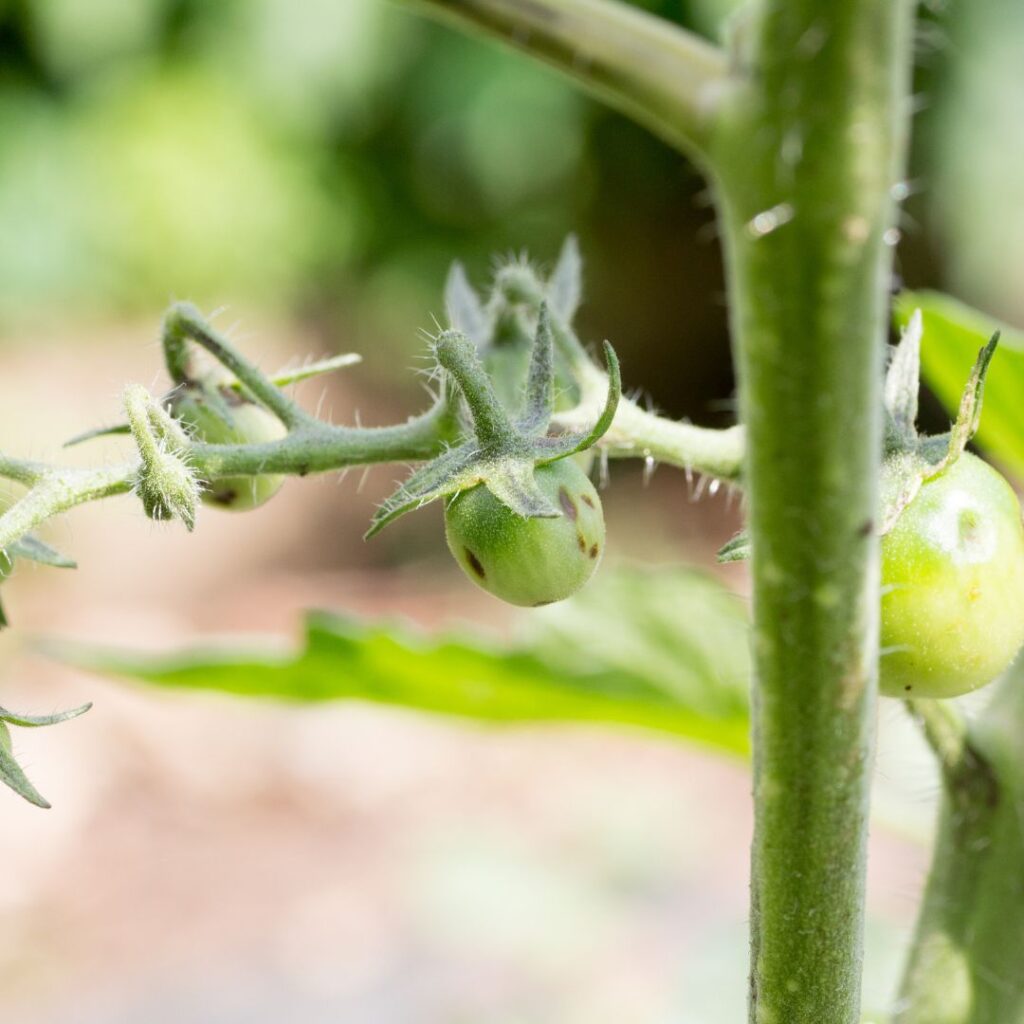
Early Blight
A fungal disease especially prevalent in Louisiana. Identified by brown spots with concentric rings on leaves and stems.
Affects: Damages foliage and stems, significant loss of yield or plant
Solution: Preventative fungicidal program from day of planting
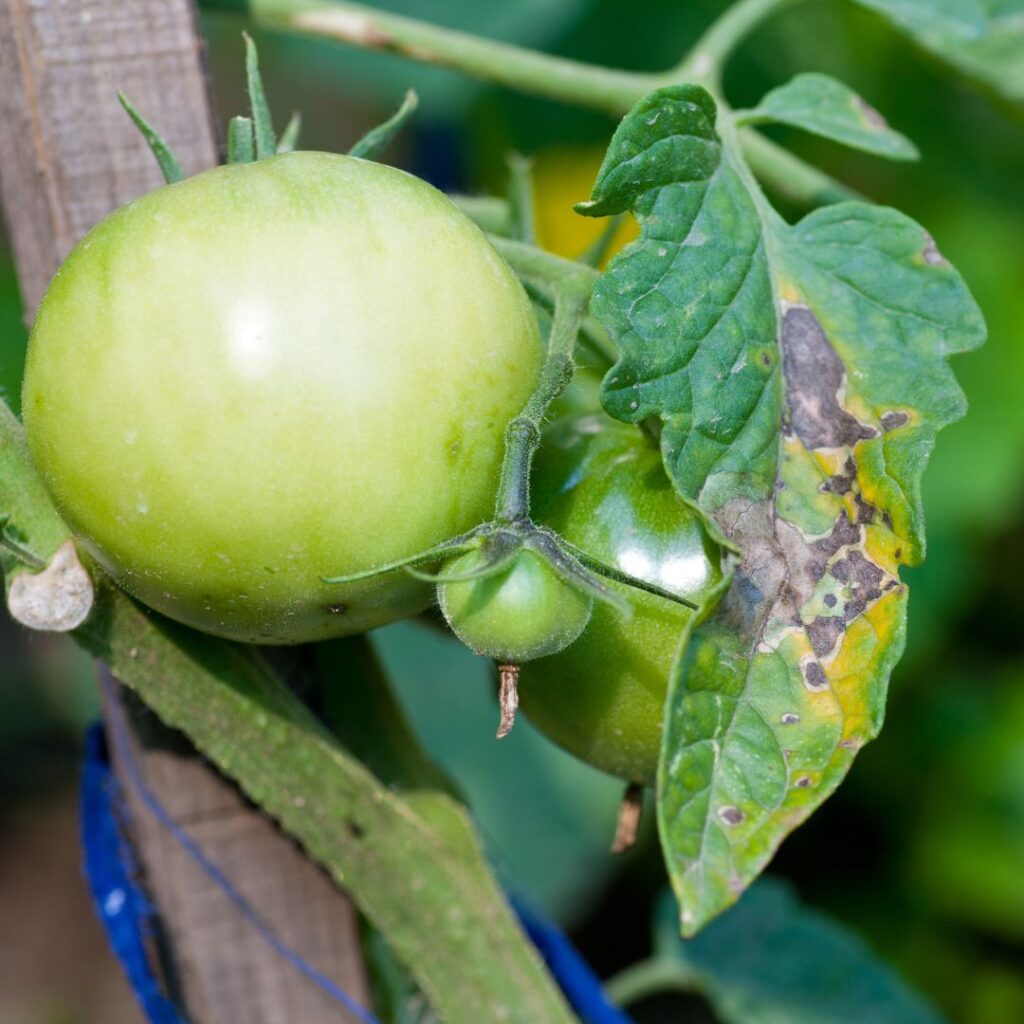
Powdery Mildew
Another common fungal disease in humid climates. Appears as a white powdery substance on leaves, gradually turning them yellow and falling. Lack of foliage leads to sunburned fruits.
Affects: Harms foliage and quality of yield
Solution: Preventative fungicidal program, proper spacing, watering soil instead of plant
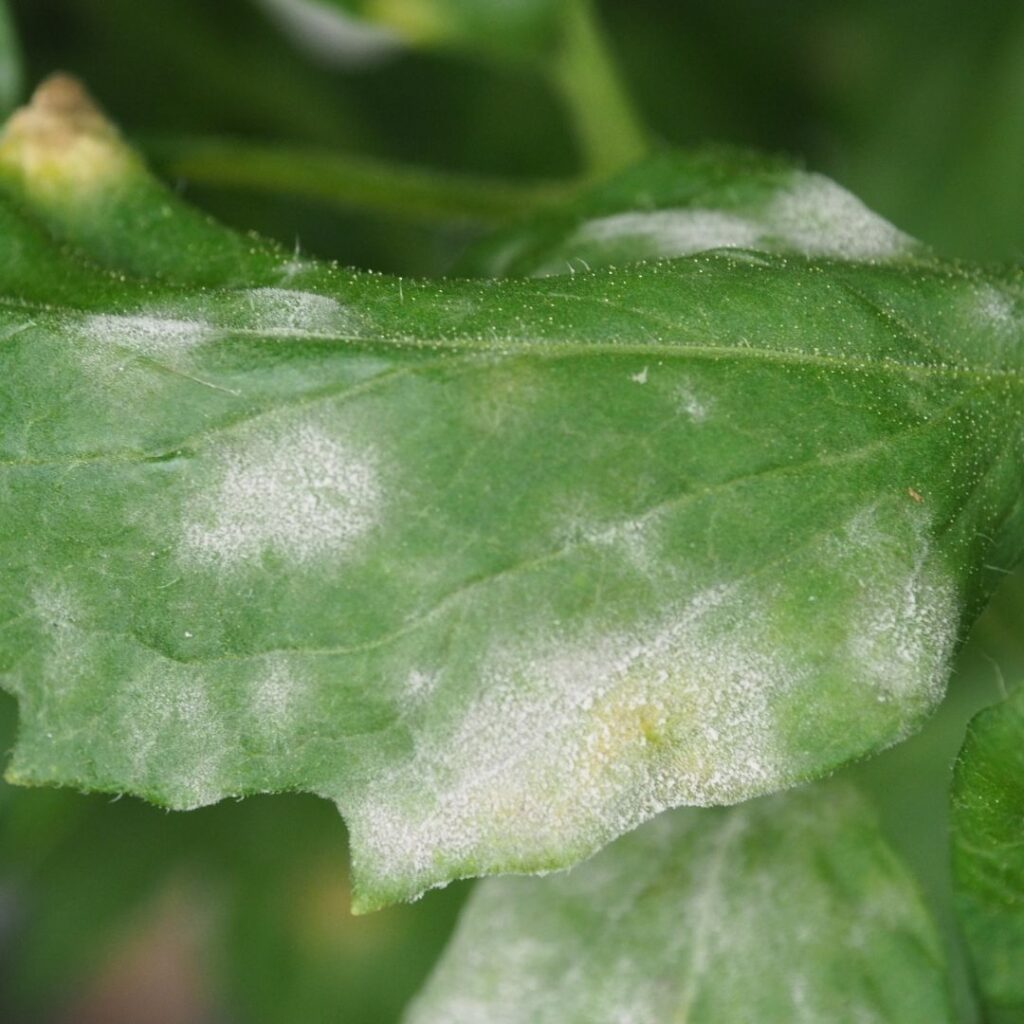
Fusarium Disease
Caused by a soil borne fungus. Fusarium is identified by yellowing leaves and stems, wilting leaves, and lack of plant vigor.
Affects: Damage to foliage and stems, lack of blooms, loss of plant
Solution: If disease is in soil, try using container tomatoes instead. Soil borne illnesses can be starved out with enough time
Common Pest & Insect Issues
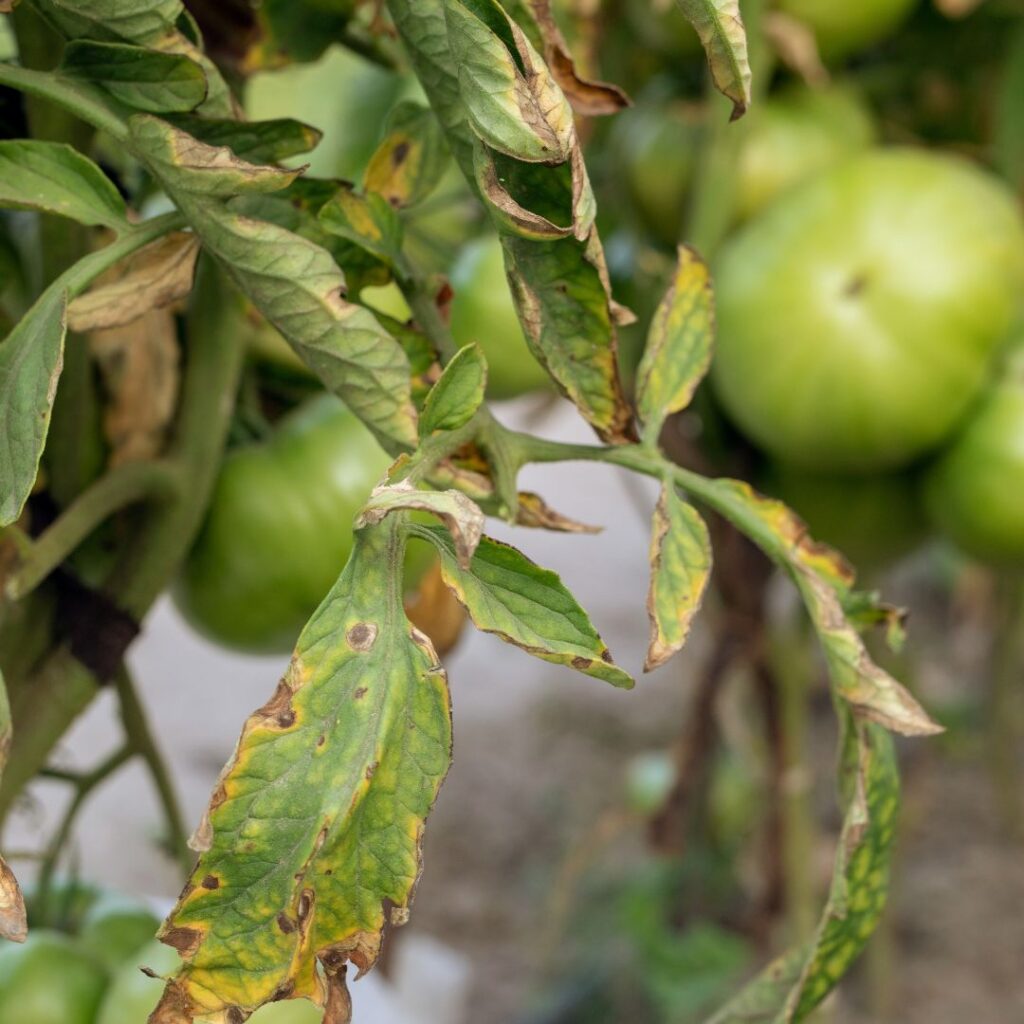
Lots of insects out there love tomatoes just as much as you do! Luckily there are organic products to deal with all of them while still keeping the fruit safe to eat. Some prevalent insects that feed on tomato plants include:
Aphids
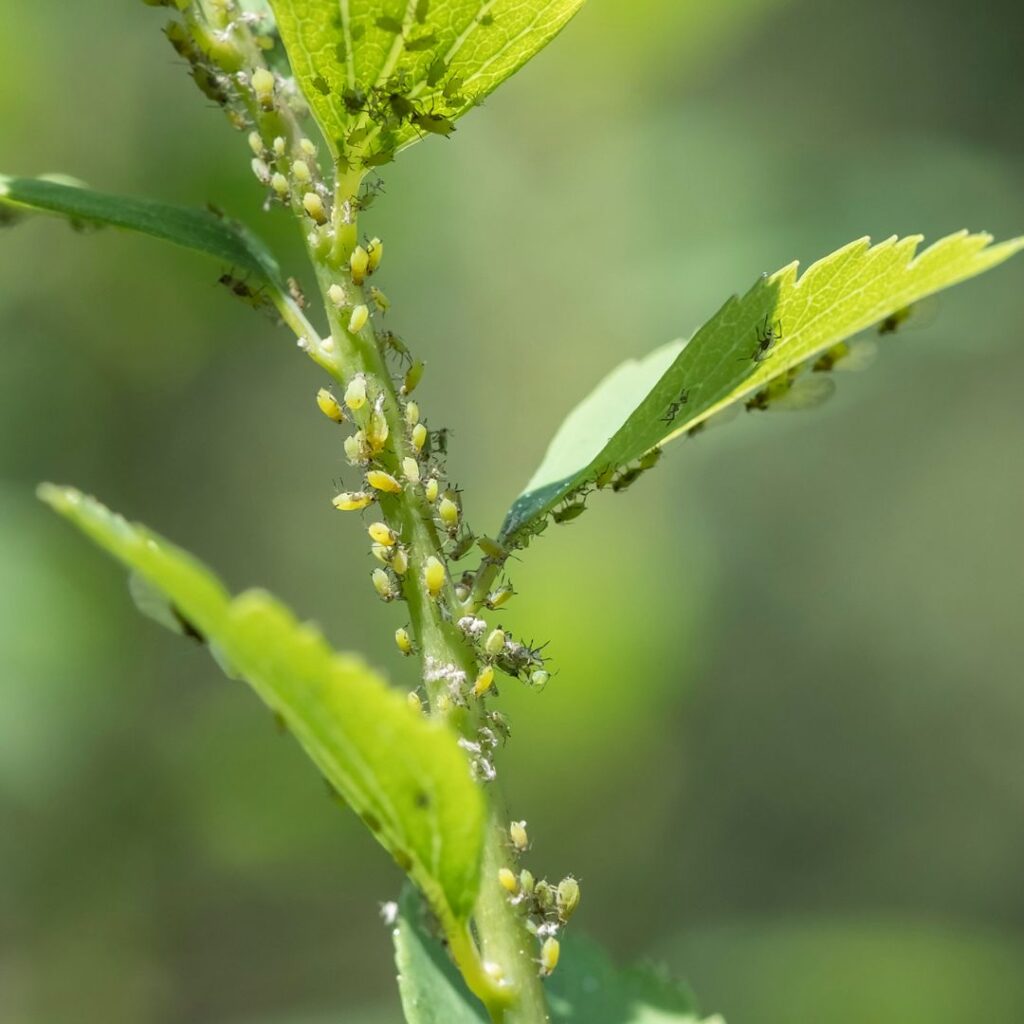
A problem across the entire U.S., including our home-state! Aphids are sap-sucking insects that cluster on leaves and stems. They can cause yellowing, stunted growth, and can spread lots of the diseases we mentioned previously.
Solution: Thorough, regular checks underneath leaves and around stems of the plant. Use insecticidal soaps or just remove them with a garden hose!
Hornworms
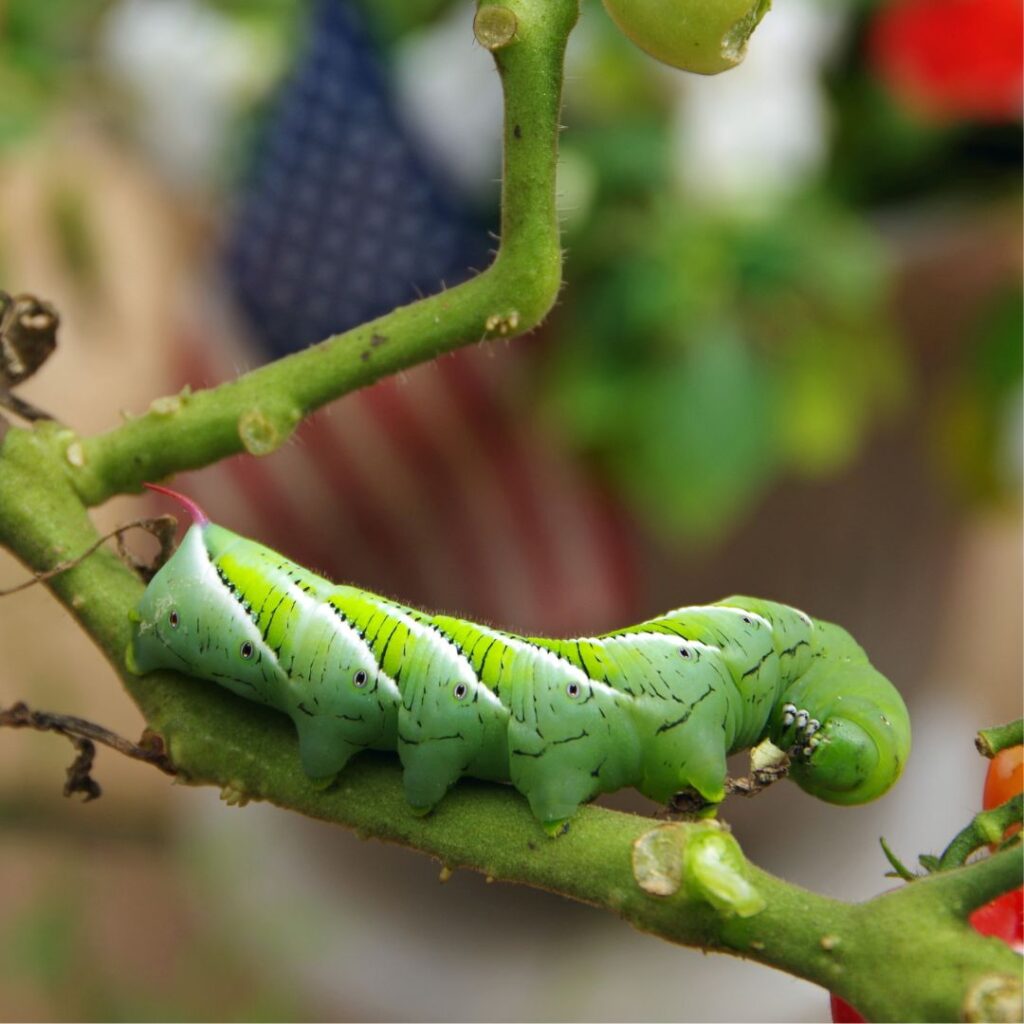
Large, green caterpillars with a single “horn” at the rear. These heavy feeders can quickly defoliate a tomato plant, reducing plant health and yield. Not a huge issue throughout the growing season, but a serious one when it rears its head!
Solution: Make regular checks on stems, look for bite marks and abnormal wear on leaves. Insecticidal soaps & biological insecticides work great.
Stink Bugs
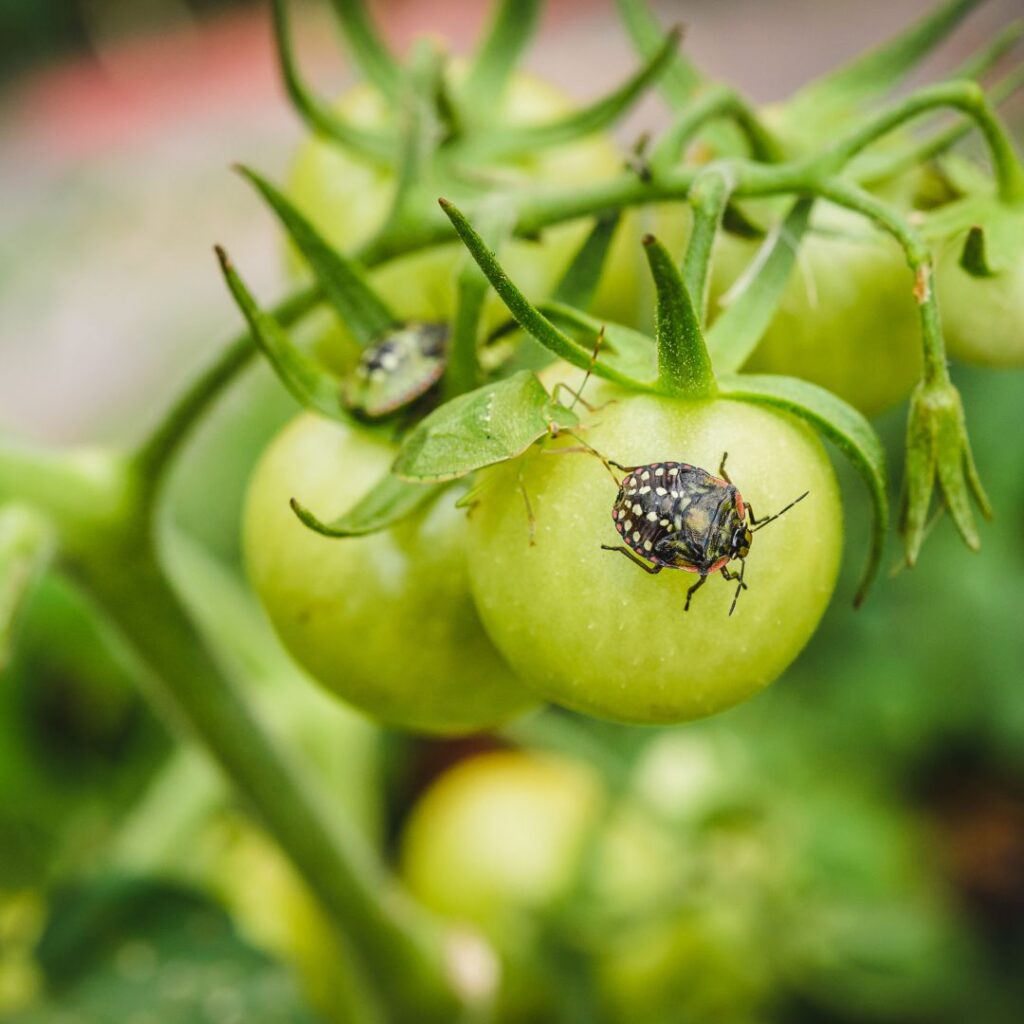
These shield-shaped bugs come in different colors (brown, green, & gray). Both adults & nymphs feed on tomato plants, piercing the fruit and causing distorted growth or discoloration.
Solution: Prevention is best for these difficult to stop bugs. They aren’t as numerous as mealy or large as hornworms, so can be difficult to spot treat. Use regular insecticidal program.
Care Products for Tomatoes
There are lots of insecticides & fungicides that can prevent blossom end rot among other common issues. Some will have tomato-specific labels, but many of the organic ones are a bit harder to identify.
You’ll also want to look for non-systemic products as they only affect the surface whereas systemic products are absorbed by the plant.
Here are some of our favorite tomato care products:
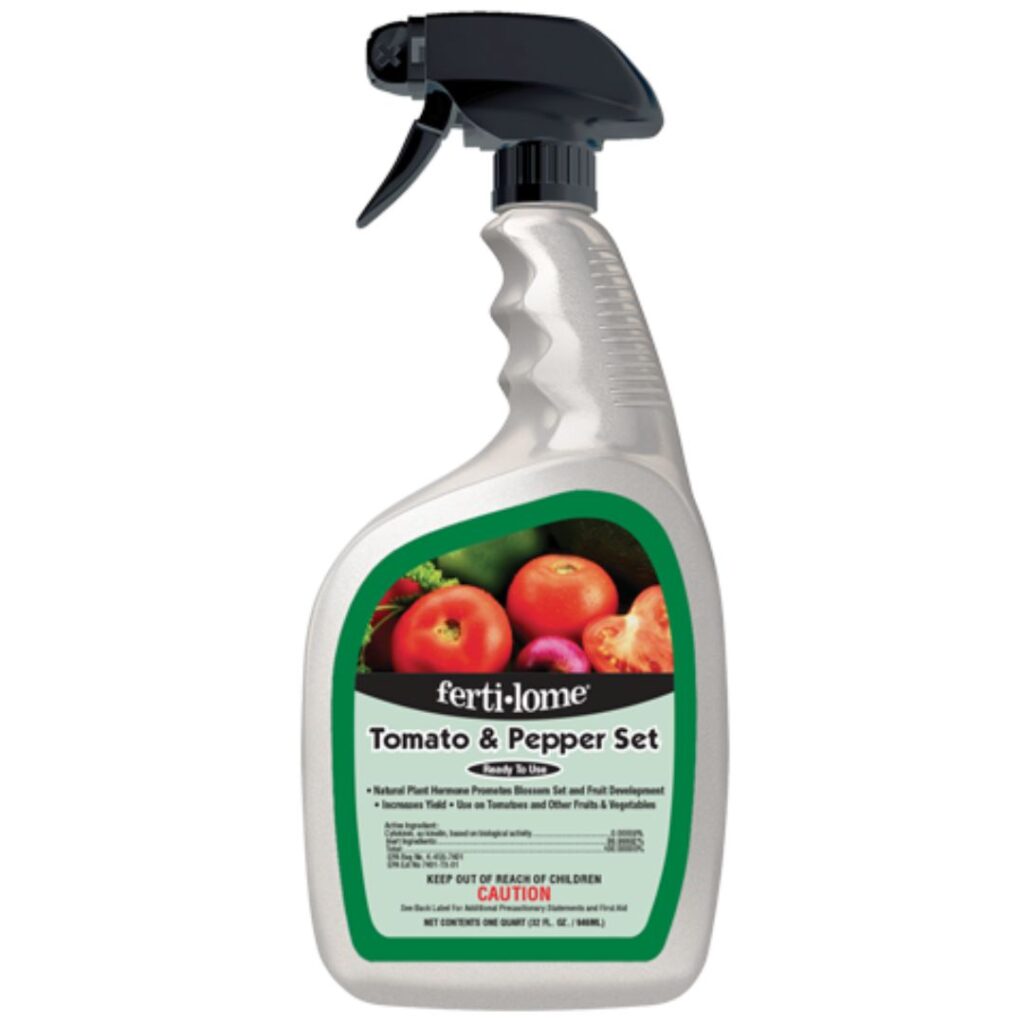
Specific formulation to prevent blossom end rot. Proven to increase blooms, bloom to fruit success, and fruit size.
Brand: Ferti-lome
Purpose: Creates healthy blooms & fruit while deterring disease
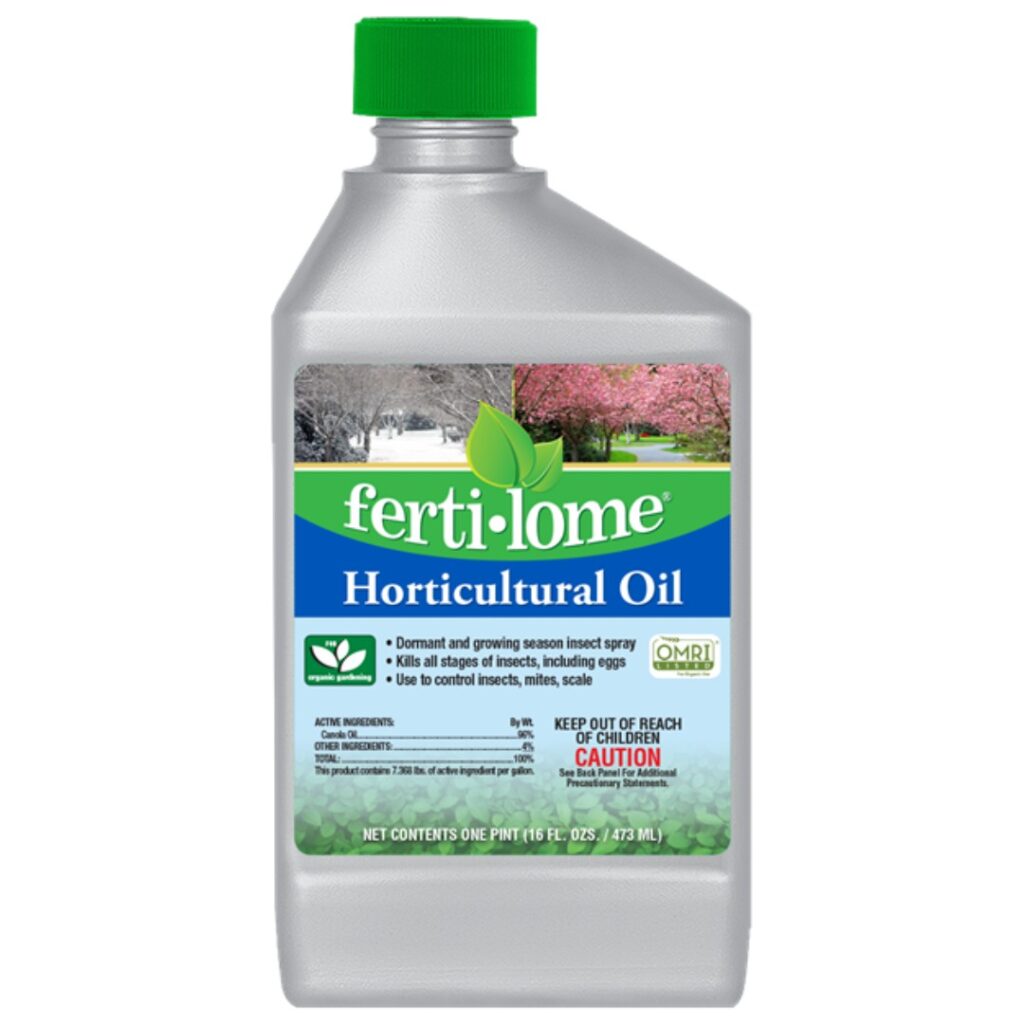
Horticultural oils are non-selective, surface-level insecticides that dries quickly without leaving residue. Use regularly from first planting up to a week before harvests.
Brand: Ferti-lome (other brands available)
Purpose: Insecticide
Organic: OMRI Certified
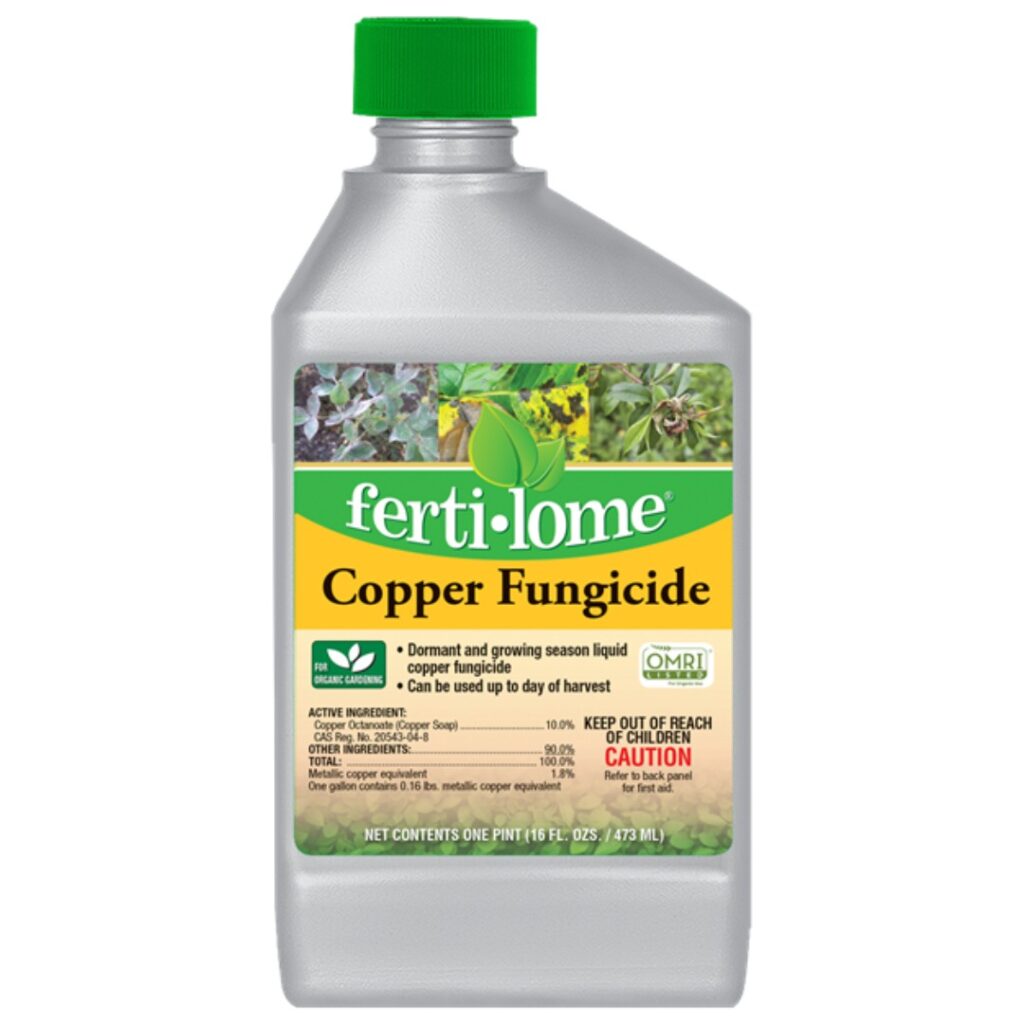
A non-systemic, organic fungicide spray that can be used safely up until day of harvest. Prevents many of the common tomato diseases without leaving residue.
Brand: Ferti-lome (other brands available)
Purpose: Fungicide
Organic: OMRI Certified
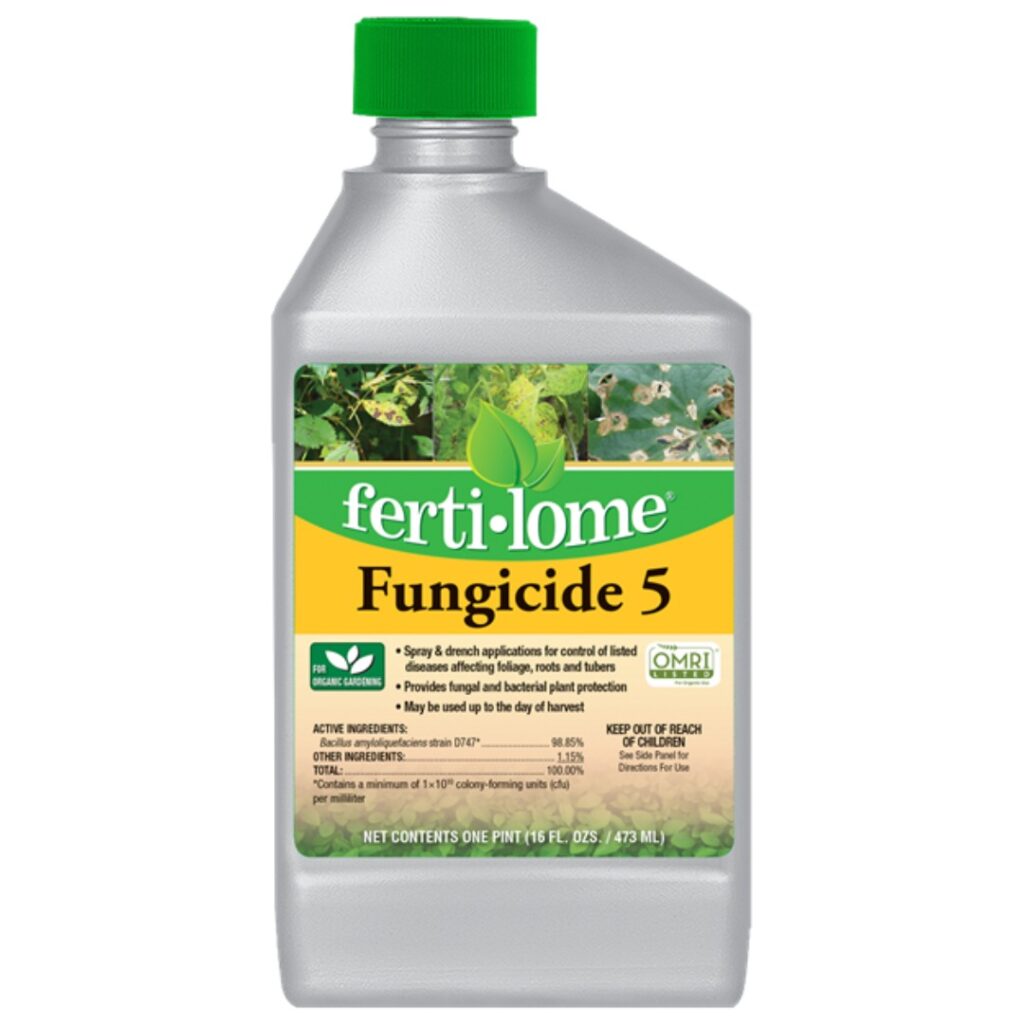
A biological fungicide that prevents disease & promotes healthy root growth. Use this product from the day of planting up until the day of harvest. Can be used on anything, but especially great for organic gardening, by Ferti-lome
Brand: Ferti-lome
Organic: OMRI Certified, contains beneficial fungus
Just want the highlights? See the ‘Tomatoes & Vegetables’ tab on our FAQ page
Tomatoes can be a challenging plant to care for, especially if you don’t have a lot of experience. There are numerous sizes, consistencies, tastes, tolerances, and disease resistances among the many varieties of tomatoes.
All Louisiana Nursery offerings are built for our climate. However, you’ll still need to arm yourself with a few tips to make sure tomatoes not only survive, but thrive in your south Louisiana garden.
Where to Grow Tomatoes
Newer growers typically underestimate the amount of space needed between each tomato transplant. The LSU Ag Department recommends 18-24 inches between the transplants, or a 3-gallon container if you choose to use a pot.
Your garden plot should receive a hefty 8 hours of direct sunlight, so plan your space ahead of time. Large tomatoes (1-gallon size or greater) can be dropped in the bed right away, but smaller transplants must be acclimated.
Over the span of a week give your transplants 4 hours, slowly adding about 30-minutes to an hour of direct sun each day. This will reduce stress on the plant and help it get established more quickly.
How to Grow Tomatoes
We already established Tomatoes need full sun, but the soil matters just as much!
Soils
Tomatoes like lots of organic material and soil that thoroughly drains. If you decide to use pots, we can confidently recommend
Strawberry Fields potting soil, by Foxfarm. This mix will help make harvests big enough for you, your family, and have bags leftover for the neighbors!
If you’re using raised beds or in-ground garden plots, you’ll want to make sure there’s plenty of organic matter, compost, soil, & fertilizer. We have great options like cow & chicken manure for additive purposes, or go pre-mixed with Organic Garden Soil by Southern Mulch, a Louisiana local company.
We’ve recently switched to this brand of garden soil after being blown away by its quality. The ratio of aged compost for nutrients & shredded bark for drainage is perfect for edible gardening. Available at all Louisiana Nursery locations now, with bulk orders at our LA-42 (Prairieville) location.
Fertilizers
Fertilizers are a real difference maker when growing edibles, especially tomatoes. We carry all the traditional favorites to make stronger plants, better tastes, and bigger harvests. And now with more organic options than ever before!
Gardener’s Special: An excellent, all-purpose plant food that contains both fast and slow-release Nitrogen. Contains necessary trace elements to aid in plant development and crop yield, by Ferti-lome (11-15-11)
Tomato & Vegetable Food: Provides essential nutrients for better growth, better flavor & bigger harvests by supplying plant food plus secondary nutrients, by
Ferti-lome (7-28-8)
Organic Fertilizers
Organic plant foods can be judged based on their certification. Here are some OMRI or CDFA certified organic fertilizers for your tomatoes:
Tomato & Vegetable Fertilizer: Specifically formulated for all Tomato varieties. The NPK blend supplies nutrients to help at all stages of plant growth, and added calcium offers better common disease resistance, by Foxfarm (5-7-3)
Tomato & Vegetable Food: Provides the mineral nutrients necessary for better tastes, better yield, and an overall stronger plant. All of this without any additives, by True Organic (4-5-6)
Common Disease & Fungus Issues
Tomatoes are notorious for their diseases. Rotting, spots, wilting leaves & stunted growth are all signs of fungal diseases. Preventing these issues before they occur is paramount – we’ll get there – but every gardener should be able to identify the symptoms.
Let’s take a deeper look at prominent Tomato diseases in Louisiana:
Blossom End Rot
A physiological disorder caused by an over-abundance of nitrogen or a deficiency of calcium paired with fluctuating moisture levels in the soil. Named after causing rot to appear on the blossom end of the fruit. Can be prevented with fungicide and attention to watering habits.
Spotted Wilt
Spread by insects called “thrips”, this virus causes stunted growth, molted or bronze leaves, ringspots on fruit, and plant dieback. Prevented a combination of insecticide & fungicide.
Early Blight
This fungal disease causes brown spots with concentric rings on leaves and stems. Will reduce fruit production significantly.
Powdery Mildew
An extremely common fungal disease in humid climates. Appears as a white powdery substance on leaves, and can reduce growth & yield.
Fusarium Disease
Caused by a soil borne fungus. Fusarium can cause leaves and growth to turn yellow, wilt, and eventually kill the plant.
Common Pest & Insect Issues
Lots of insects out there love tomatoes just as much as you do! Luckily there are organic products to deal with all of them while still keeping the fruit safe to eat.
Some prevalent insects that feed on tomato plants include:
Aphids
A problem across the entire U.S., including our home-state! Aphids are sap-sucking insects that cluster on leaves and stems. They can cause yellowing, stunted growth, and can spread the aforementioned diseases.
Hornworms
Large, green caterpillars with a single “horn” at the rear. These heavy feeders can quickly defoliate a tomato plant, reducing plant health and yield. Not a huge issue throughout the growing season, but a serious one when it rears its head!
Stink Bugs
These shield-shaped bugs come in different colors (brown, green, & gray). Both adults & nymphs feed on tomato plants, piercing the fruit and causing distorted growth or discoloration.
The list goes on and on… trying to identify all of them is near-impossible. However, knowing some of those basic symptoms will help you make an informed decision when dealing with an issue. Prevention with fungicides and insecticides is key to success.
Care-Products for Tomatoes
There are lots of insecticides & fungicides that can prevent blossom end rot among other common issues. Some will have tomato-specific labels, but many of the organic ones are a bit harder to identify.
You’ll also want to look for non-systemic products as they only affect the surface whereas systemic products are absorbed by the plant.
Here are some of our favorite tomato care products:
Tomato & Pepper Set: Specific formulation to prevent blossom end rot. Proven to increase blooms, bloom to fruit success, and fruit size, by Ferti-lome
Horticultural Oils: Horticultural oils are non-selective, surface-level insecticides that dries quickly without leaving residue. Use regularly from first planting up to a week before harvests, by Ferti-lome (many other brands available)
Copper Soap Fungicide: A non-systemic, organic fungicide spray that can be used safely up until day of harvest. Prevents many of the common tomato diseases without leaving residue, by Ferti-lome
(many other brands available)
Fungicide 5: A biological fungicide that prevents disease & promotes healthy root growth. Use this product from the day of planting up until the day of harvest. Can be used on anything, but especially great for organic gardening, by Ferti-lome
Tomato Varieties
Louisiana Nursery carries dozens of different varieties of Tomato, with a wide selection from big-name brands like Chef Jeff & Peace Organic to local growers in Louisiana. Tomatoes can be generally categorized by their growth habit, fruit-size & shape, and heirloom vs hybrid types.
Growth Habit: Determinate vs Indeterminate
Determinate tomatoes grow to a specified (predetermined) height, produce a concentrated crop of fruit, and then stop growing. They’re great for smaller gardens, containers, and canning as all the fruit ripens at once
Indeterminate tomatoes keep growing taller and producing fruit throughout the season until frost. They need more space and support like cages, stalks, or twine structures.
Semi-determinates are not as available, but offer a mix of compact growth from determinate with longer fruiting season from indeterminate.
Tomato Fruit-Size:
Beefsteak
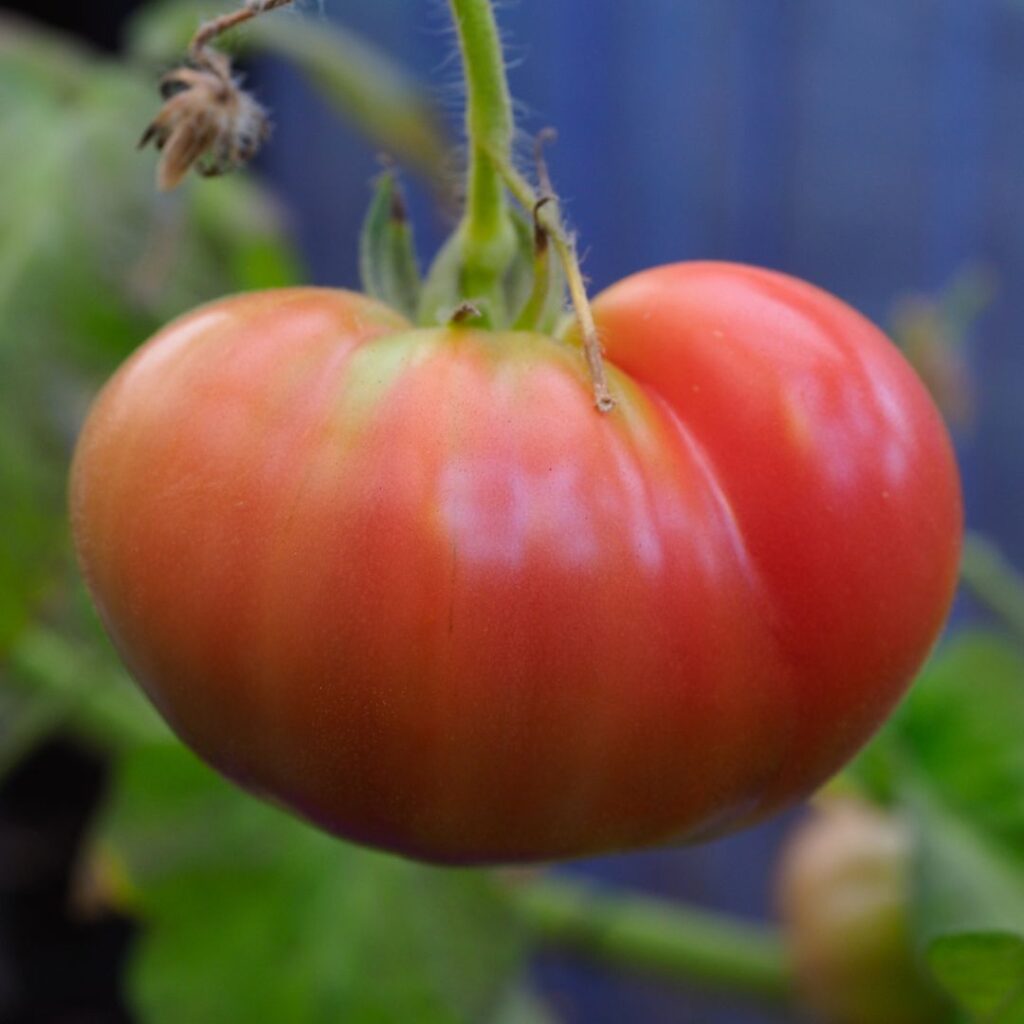
Beefsteaks are the giants of the tomato world, with individual fruits often weighing over a pound. They have a deep rep color, meaty texture, and deliver well on the classic tomato flavor. Great varieties for slicing up and adding to sandwiches!
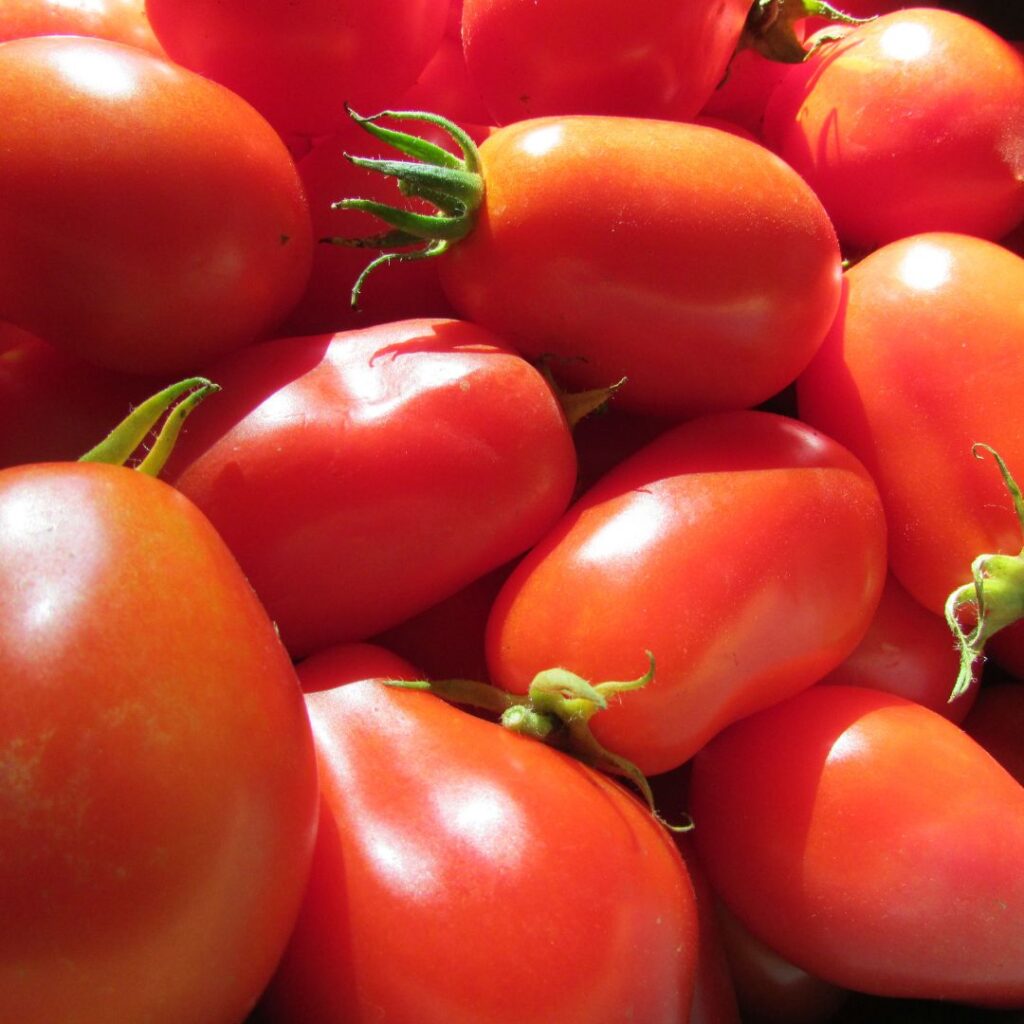
Roma (Plum)
Roma tomatoes are elongated fruits that have a lower water-content than other varieties. This makes them ideal for use in sauces and tomato pastes. The water-content also affects the flavor, making for an interestingly sweet & tangy fruit.
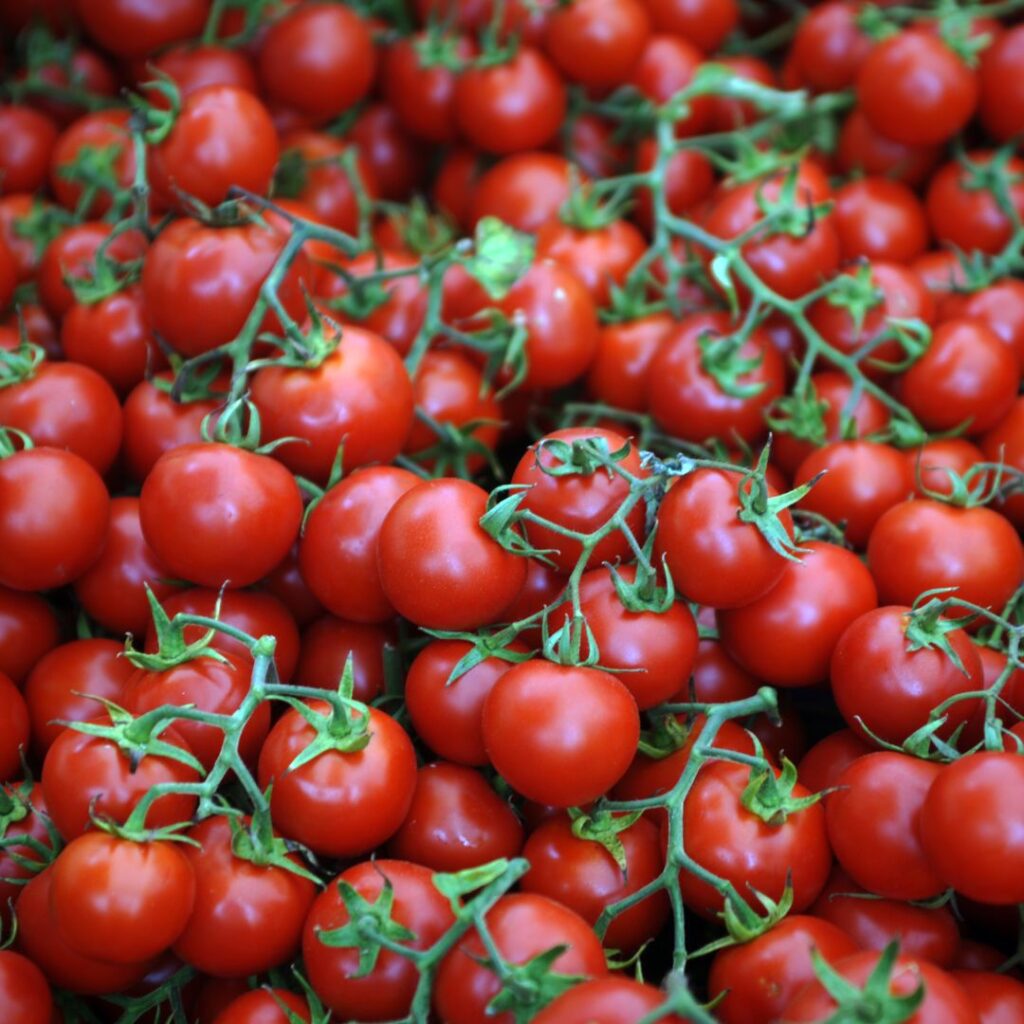
Grape
Enjoy bursts of sweet sunshine with grape tomatoes! These bite-sized fruits are excellent for snacks, especially when picked right off the plant. Its firm texture and snappy skins fit well with the concentrated, juicy flavor.
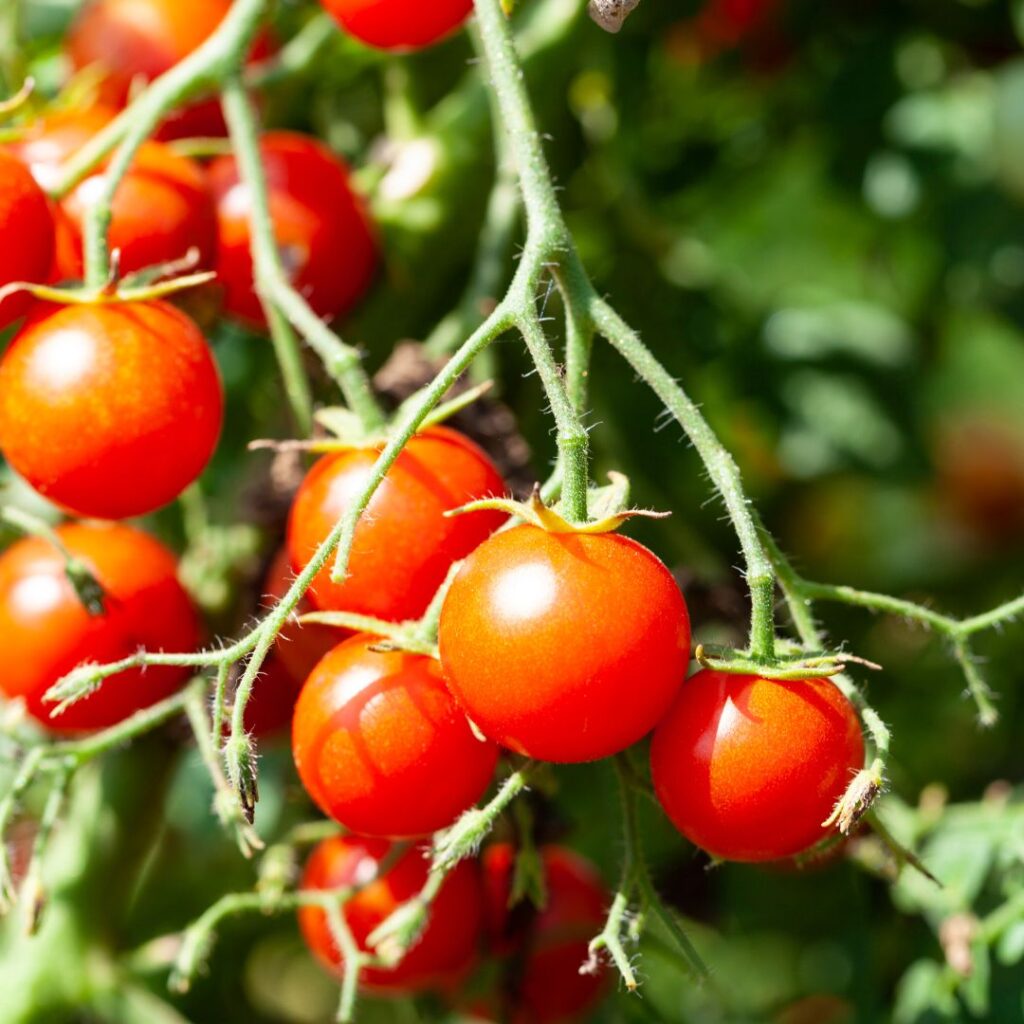
Cherry
If beefsteaks are the giants, these are the candies of the tomato world. Only slightly bigger than grape tomatoes, cherries are bitingly sweet and popular with salads. Another refreshing fruit for snacking on while out in the garden.
Heirloom Vs. Hybrid
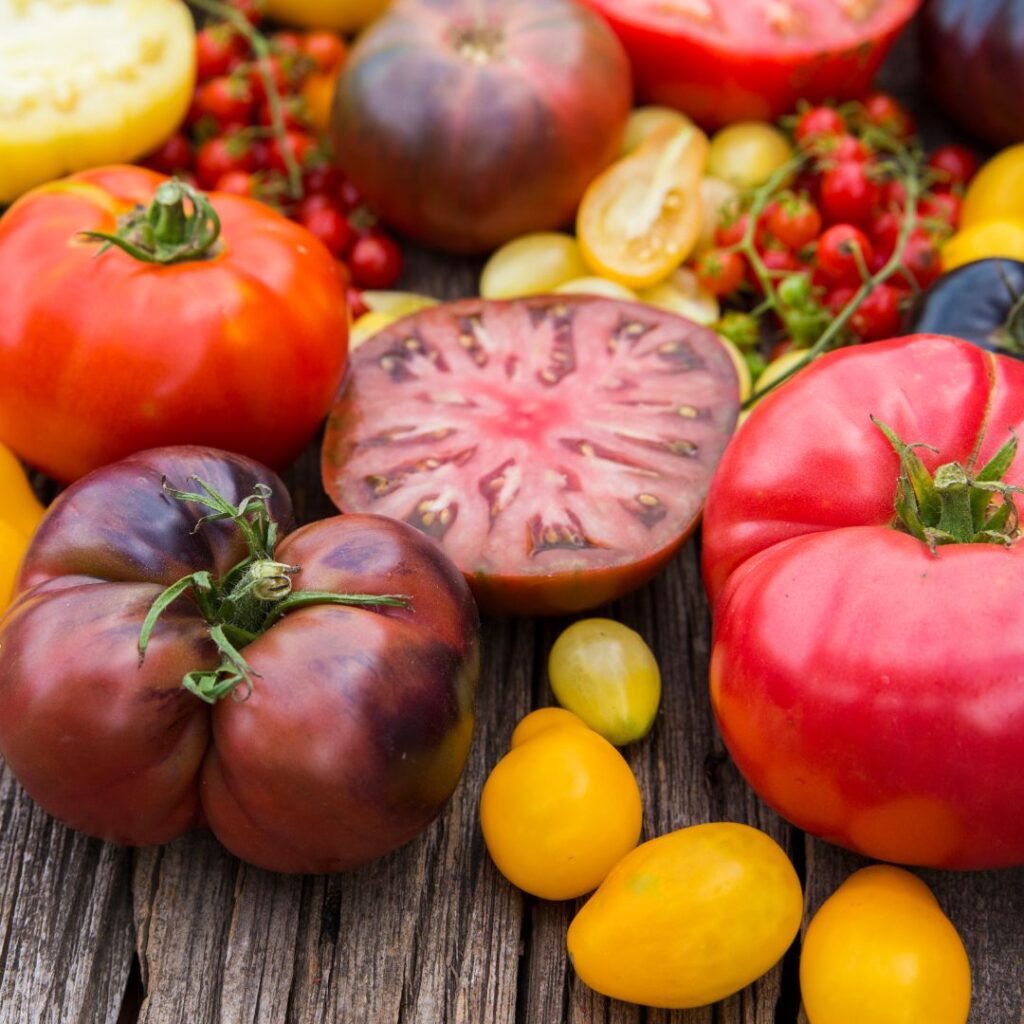
Heirloom
Heirloom tomatoes are open-pollinated varieties passed down through generations. They are prized for their unique flavors, shapes, & colors. Can be more susceptible to diseases, but you already learned how to deal with that!
Hybrid
Hybrid tomatoes are bred for specific traits like disease resistance, productivity, and uniform size & shape. Tend to be more reliable, but might have less complex flavor than heirlooms.
Just remember, tags are included in every edible plant we carry. These tags give you lots of important, variety-specific information on color, flavor, growth habit, and size. We wish our staff members could answer any question about all varieties, but without one heck of a taste-testing, they rely on tags and manufacturers as much as you.
All varieties are available in different amounts depending on location. However, all care products & fertilizers are stocked at every Louisiana Nursery Store.
Thanks for reading, and good luck on your home-grown food adventures!
Tomato Varieties
Louisiana Nursery carries dozens of different varieties of Tomato, with a wide selection from big-name brands like Chef Jeff & Peace Organic to local growers in Louisiana.
Tomatoes can be generally categorized by their growth habit, fruit-size & shape, and heirloom vs hybrid types.
Growth Habit: Determinate vs Indeterminate
Determinate tomatoes grow to a specified (predetermined) height, produce a concentrated crop of fruit, and then stop growing. They’re great for smaller gardens, containers, and canning as all the fruit ripens at once
Indeterminate tomatoes keep growing taller and producing fruit throughout the season until frost. They need more space and support like cages, stalks, or twine structures.
Semi-determinates are not as available, but offer a mix of compact growth from determinate with longer fruiting season from indeterminate.
Tomato Fruit-Size:
Beefsteaks
Beefsteaks are the largest tomato fruits, with individual fruits often weighing over a pound. Great for slicing!
Roma (Plum)
Roma tomatoes are elongated fruits that typically have lower water content. Perfect for sauces & homemade tomato pastes.
Grape
Grape tomatoes are bite-sized, very sweet fruits. A favorite when eaten right off the vine.
Cherry
Cherry tomatoes are similar but slightly larger than grape, often used in salads.
Heirloom Vs. Hybrid
Heirloom
Heirloom tomatoes are open-pollinated varieties passed down through generations. They are prized for their unique flavors, shapes, & colors. Can be more susceptible to diseases, but you already learned how to deal with that!
Hybrid
Hybrid tomatoes are bred for specific traits like disease resistance, productivity, and uniform size & shape. Tend to be more reliable, but might have less complex flavor than heirlooms.
Just remember, tags are included in every edible plant we carry. These tags give you lots of important, variety-specific information on color, flavor, growth habit, and size.
We wish our staff members could answer any question about all varieties, but without one heck of a taste-testing, they rely on tags and manufacturers as much as you.
All varieties are available in different amounts depending on location. However, all care products & fertilizers are stocked at every Louisiana Nursery Store.
Thanks for reading, and good luck on your home-grown food adventures!