
Vertical Farming Techniques Louisiana Gardeners Can Use to Maximize Space
Amongst the foremost challenges of our time is feeding a growing global population with a shrinking amount of airable land. Today in developing, countries food insecurity is still a massive problem. Even in highly sophisticated economies like the U.S. and Europe, just 100 years ago scholars feared population growth would outpace food production so quickly as to cause mass starvation. We know now that those claims were not realized, but it would’ve been difficult then to predict the explosion in technology we saw over the century. A single farmworker today (with the help of modern equipment) produces hundreds of times more than he did or could in 1920. Automated farming can only take you so far, though. Even fi we use the most efficient growing methods and logistics; the current model demands more and more land. This directly conflicts with growing urbanization, as well as causing problems in other areas like chemical pollution and wasteful watering practices.
So, coming from the perspective of a developed country, we don’t necessarily have a problem ensuring there is food in your local Walmart. We do, however, have a sustainability and quality problem. That’s why I wanted to introduce you to an interesting project aiming to combat waste, transportation pollution, and price barriers to healthier options.
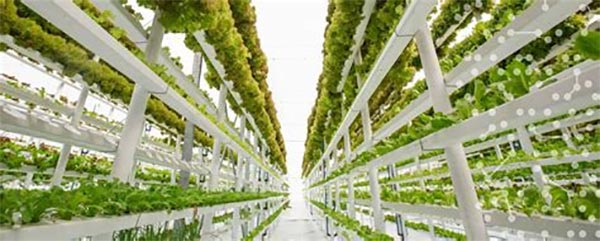
Vertical Farming takes the water-saving benefits of aquaponics and minimizes the physical footprint by working in multi-level buildings or high rises. Water, nutrients, artificial lighting, and temperature are monitored using software to produce the perfect plant every time on a mass scale. Being in such a controlled environment allows for unmatched efficiency, with 95% less water being used than a traditional farm for the same output. These projects are in their infancy, and extremely expensive to get up and running. I believe, though, that costs will be less prohibitive as the technology is flushed out. It is also the case that urgency could foot the bill. For example, the Colorado river is currently at 20% of it’s usual capacity due to draught. Farmers and urban citizens across multiple states are fighting over water rights and negotiating how to ration the once plentiful resource. A vertical farm in various population centers could be a great backstop if a more drastic emergency like this should arise.
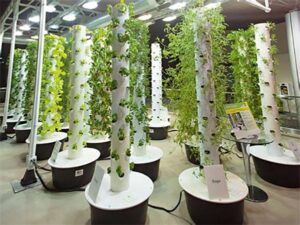 Maybe you can’t build a 20-story vertical farm with your pocket change, but consumers are definitely getting in on the idea. Personal vertical garden beds are available in tons of online retailers at the moment. Check one out if you’re interested!