
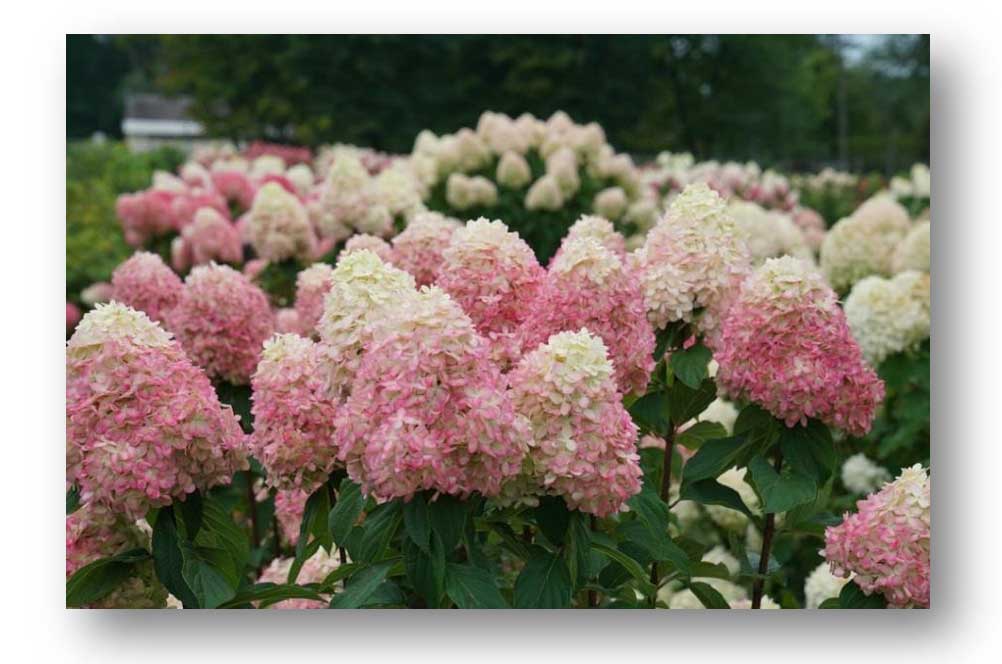
Limelight Prime Hydrangeas captivate gardeners with their large, color-changing blooms and versatile charm. Suitable for experienced gardeners and newcomers, these shrubs bring structure, elegance, and seasonal interest to any landscape. Understanding their growth habits, planting preferences, and maintenance needs helps ensure they thrive year after year.

From Summer Green to Autumn Pink: A Seasonal Showcase
These hydrangeas stand out with their cone-shaped flowers, which begin soft green in early summer, shift to creamy white, and develop pink tones as autumn approaches. Their upright, sturdy branches support large flower heads, creating a striking display from midsummer through fall. Reaching 6 to 8 feet in height and 5 to 7 feet in spread, Limelight Prime Hydrangeas thrive in diverse climates, offering extended visual interest.
Planting Limelight Prime Hydrangeas
Plant in well-drained, nutrient-rich soil with a slightly acidic to neutral pH (6.0–7.0). Incorporate compost or aged manure to support healthy root development. These shrubs thrive in full sun but tolerate partial shade, especially in areas where afternoon heat can scorch their foliage. Early spring or fall planting allows roots to establish before extreme temperatures. Dig a hole twice the width of the root ball, level the roots with the soil surface, backfill carefully, and water thoroughly to settle the plant.
How Fast Do Limelight Hydrangeas Grow?
Limelight Hydrangeas grow steadily, adding 1 to 2 feet annually under favorable conditions, reaching full size within a few seasons. Soil fertility, sunlight, moisture, and climate influence growth. Mulching helps retain soil moisture and regulate temperature, while seasonal fertilization encourages healthy foliage and abundant blooms.
Watering and Fertilizing Limelight Prime Hydrangeas
Maintain consistent soil moisture without waterlogging. A deep weekly watering is usually sufficient, with additional water during hot or dry periods. Mulch around the base to conserve moisture and keep roots cool. In early spring, apply the best fertilizer for Limelight Hydrangeas, ideally a balanced, slow-release formula rich in phosphorus, to encourage abundant blooms while avoiding over-fertilization.
Pruning and Maintenance
Prune in late winter or early spring before new growth begins. Remove dead, damaged, or crossing branches and thin crowded areas to improve light and air circulation. Cutting stems back to a pair of healthy buds promotes vigorous flowering. Regular deadheading and monitoring for pests help maintain plant health, while proper spacing supports airflow and reduces the risk of disease.
Common Issues and Solutions
Limelight Hydrangeas may occasionally face challenges from pests and diseases. Aphids and spider mites can appear on leaves and stems, while powdery mildew and leaf spot can affect foliage under humid conditions. Regular inspection allows for early intervention, and treatments such as insecticidal soap or neem oil help manage infestations effectively. Adequate spacing, proper pruning, and ensuring good air circulation reduce the risk of fungal diseases.
Yellowing leaves often indicate nutrient imbalances or inconsistent watering. Conducting a soil test identifies deficiencies, enabling precise amendments to restore plant health. Maintaining even soil moisture and applying mulch around the base supports steady growth, while monitoring overall plant condition helps detect issues before they become severe. With attentive care, Limelight Hydrangeas remain vigorous, resilient, and visually striking throughout the growing season.
Vibrant Blooms for Every Garden
Limelight Prime Hydrangeas combine striking, color-changing blooms with sturdy, upright growth, making them a standout addition to any landscape. They flourish when planted in well-drained, nutrient-rich soil, positioned in full sun or partial shade, and given consistent moisture and seasonal fertilization. Pruning in late winter or early spring encourages healthy stems and abundant flowers, while regular maintenance, removing spent blooms, monitoring for pests, and ensuring proper spacing, supports long-term vigor. Awareness of common challenges, such as aphids, spider mites, and fungal issues, allows for timely intervention and sustained plant health.
With careful attention to these practices, Limelight Prime Hydrangeas can provide months of visual appeal and enhance the structure of your garden. For guidance tailored to your landscape or to bring Limelight Hydrangeas home, contact us at Louisiana Nursery.